

Do hot melt pipe fittings have a good electrical insulation performance?
Oct 13, 2026
Hot melt pipe fittings are widely used in various plumbing and piping systems due to their ease of installation and durability. One important aspect that often comes into question is their electrical insulation performance. As a hot melt pipe fittings supplier, I understand the significance of this property in many applications, especially where protection against electrical hazards is crucial. In this blog, we will explore the electrical insulation performance of hot melt pipe fittings in detail.
Composition and Properties of Hot Melt Pipe Fittings
Hot melt pipe fittings are typically made from polymers such as high - density polyethylene (HDPE), polypropylene (PP), and other thermoplastics. These materials have inherent properties that make them good candidates for electrical insulation.
HDPE, for example, is a non - conductive material. Its molecular structure consists of long chains of hydrocarbon molecules, which are covalently bonded. Since there are no free electrons available to carry an electric current, HDPE has a very high electrical resistance. This high electrical resistance is the key characteristic that contributes to its excellent electrical insulation performance.
Polypropylene also shares similar properties. It is a thermoplastic polymer with a stable molecular structure. The absence of free charge carriers in its structure means that it can effectively prevent the flow of electric current, making it suitable for use in applications where electrical insulation is required.
Testing and Certification of Electrical Insulation
To ensure the electrical insulation performance of hot melt pipe fittings, they undergo a series of rigorous tests. These tests are conducted according to international and national standards, such as ASTM (American Society for Testing and Materials) and ISO (International Organization for Standardization).
One common test is the dielectric strength test. In this test, a high voltage is applied to the pipe fitting for a specified period, and the fitting is observed for any signs of electrical breakdown, such as arcing or conduction of current. If the fitting can withstand the applied voltage without breakdown, it is considered to have good dielectric strength, which is an important indicator of its electrical insulation performance.
Another test is the volume resistivity test. This test measures the resistance of the material to the flow of electric current through its volume. A high volume resistivity value indicates that the material is a good electrical insulator. Hot melt pipe fittings made from HDPE and PP usually have high volume resistivity values, which further confirms their excellent electrical insulation properties.
Applications Requiring Good Electrical Insulation
The good electrical insulation performance of hot melt pipe fittings makes them suitable for a wide range of applications.
In the telecommunications industry, hot melt pipe fittings are used to protect underground fiber - optic cables. Since these cables are often installed in areas where there may be electrical interference, the electrical insulation provided by the pipe fittings helps to prevent damage to the cables from electrical currents. For example, Butt Fusion 90 Elbow can be used to change the direction of the cable - carrying pipes while maintaining electrical insulation.
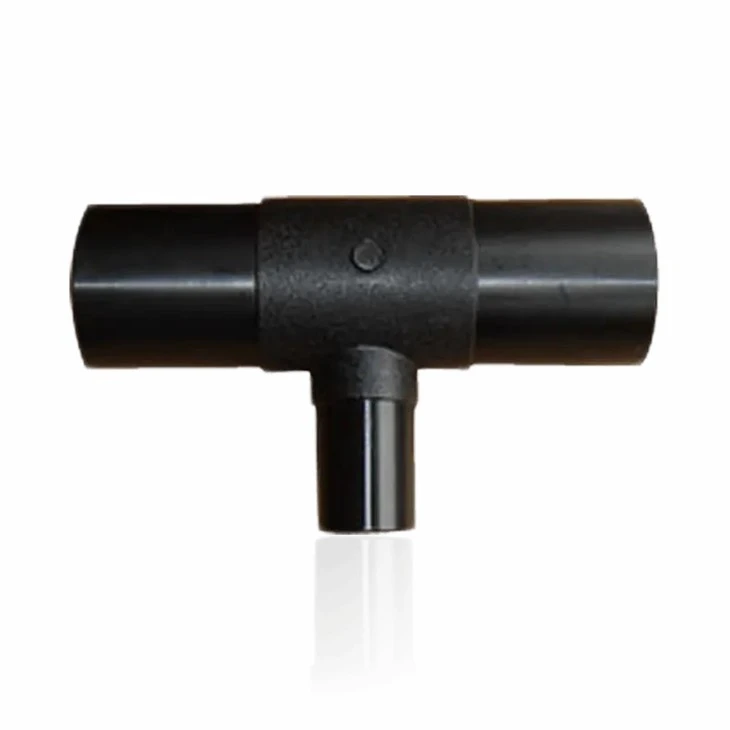
In the power generation and distribution industry, hot melt pipe fittings are used in the installation of electrical conduits. These conduits are used to protect electrical wires from physical damage and also to provide electrical insulation. Butt Fusion Reducing Tee can be used to split or combine the flow of conduits while ensuring that the electrical insulation is maintained.
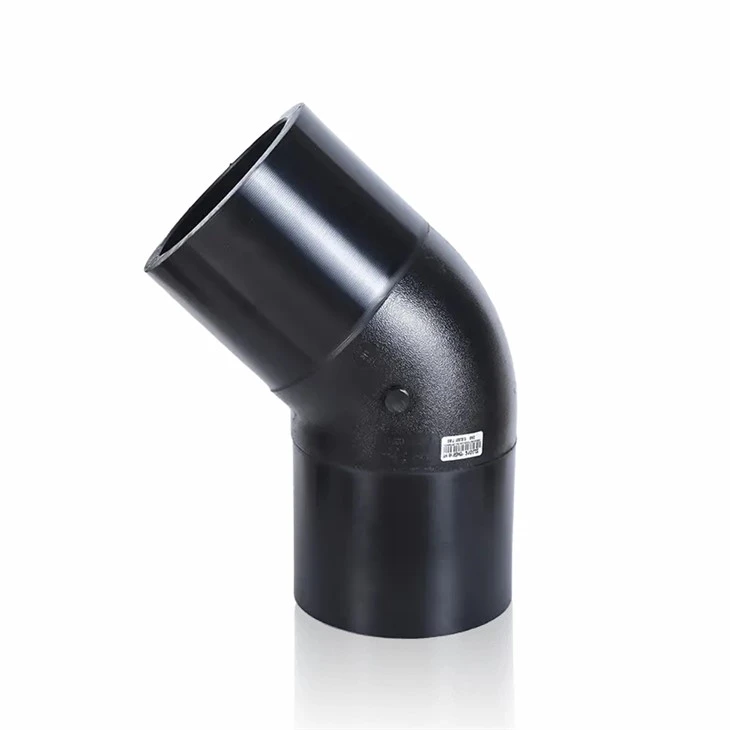
In industrial settings, where there may be a presence of electrical equipment and machinery, hot melt pipe fittings are used in plumbing systems to prevent electrical shocks. For example, Butt Fusion 45 Elbow can be used to create angled connections in pipes without compromising the electrical insulation.
Factors Affecting Electrical Insulation Performance
Although hot melt pipe fittings generally have good electrical insulation performance, there are some factors that can affect this property.
Temperature is one of the most important factors. As the temperature increases, the electrical resistance of the polymer material decreases. This means that at higher temperatures, the pipe fittings may have a reduced ability to insulate against electrical current. However, most hot melt pipe fittings are designed to maintain their electrical insulation performance within a certain temperature range.
Exposure to chemicals can also affect the electrical insulation performance. Some chemicals may react with the polymer material of the pipe fittings, causing changes in its molecular structure and reducing its electrical resistance. It is important to choose hot melt pipe fittings that are resistant to the chemicals present in the specific application environment.
Physical damage, such as scratches or cracks, can also compromise the electrical insulation performance. Even a small crack can provide a path for the flow of electric current, leading to a breakdown in the insulation. Therefore, proper handling and installation of the pipe fittings are crucial to maintain their electrical insulation performance.
Our Product Range and Quality Assurance
As a supplier of hot melt pipe fittings, we offer a wide range of products that are designed to meet the highest standards of electrical insulation performance. Our product range includes Butt Fusion Equal Tee, which is suitable for applications where a uniform flow of fluid or cable is required, and HDPE Injection Molded End Cap, which can be used to seal the ends of pipes while providing excellent electrical insulation.
We are committed to quality assurance. All our products are manufactured in accordance with strict quality control procedures. We use high - grade raw materials and advanced production techniques to ensure that our hot melt pipe fittings have consistent and reliable electrical insulation performance. Our products are also regularly tested to meet or exceed international standards.
Conclusion
In conclusion, hot melt pipe fittings generally have good electrical insulation performance due to the properties of the polymer materials they are made from. Their high electrical resistance, as demonstrated by tests such as dielectric strength and volume resistivity, makes them suitable for a variety of applications where electrical insulation is required. However, factors such as temperature, chemical exposure, and physical damage can affect their performance.
If you are in need of high - quality hot melt pipe fittings with excellent electrical insulation performance, we are here to help. We can provide you with the right products for your specific application, along with professional advice and support. Contact us for more information and to start a procurement discussion.
References
- ASTM International. Standards related to plastics and electrical insulation.
- ISO. International standards for pipe fittings and electrical insulation materials.
- Textbooks on polymer science and electrical engineering for information on the properties of HDPE and PP.