

What is a hybrid pipeline (combining on - premise and cloud)?
Sep 22, 2026
In the dynamic landscape of pipeline technology, the concept of a hybrid pipeline, which combines on - premise and cloud elements, has emerged as a revolutionary approach. As a pipeline supplier deeply entrenched in the industry, I am excited to delve into what a hybrid pipeline is, its benefits, and how it can transform various sectors.
Understanding the Hybrid Pipeline
A hybrid pipeline is a strategic integration of on - premise infrastructure and cloud - based services. On - premise pipelines refer to the traditional physical pipelines and associated control systems that are installed and maintained within a company's own facilities. These systems have been the backbone of many industries for decades, offering direct control, high - level security, and reliability. They are well - suited for operations that require immediate and continuous access to data and systems, especially in environments where connectivity to the cloud may be unreliable.
On the other hand, cloud - based pipelines utilize the power of remote servers and internet - based services. Cloud technology provides scalability, flexibility, and cost - effectiveness. It allows companies to access advanced analytics, storage, and processing capabilities without the need for large - scale on - premise hardware investments. Cloud pipelines can be easily adjusted to meet changing business needs, whether it's an increase in data volume or a shift in operational requirements.
When these two approaches are combined, a hybrid pipeline is formed. This combination allows companies to leverage the best of both worlds. For example, critical and sensitive data can be stored and processed on - premise to ensure maximum security, while less sensitive or real - time data can be sent to the cloud for analysis and optimization.
Benefits of a Hybrid Pipeline
1. Enhanced Flexibility
A hybrid pipeline offers unparalleled flexibility. In a rapidly changing business environment, companies need to be able to adapt quickly. With a hybrid approach, they can scale their operations up or down as needed. For instance, during peak production periods, additional cloud resources can be easily added to handle the increased data processing requirements. Conversely, during slower times, the use of cloud resources can be reduced to save costs.
2. Improved Cost - Efficiency
Deploying a fully on - premise pipeline can be extremely expensive. It requires significant upfront investments in hardware, software, and maintenance. A hybrid pipeline allows companies to reduce these costs by utilizing cloud services for non - critical functions. Cloud providers offer pay - as - you - go models, which means that companies only pay for the resources they actually use. This can result in substantial savings, especially for small and medium - sized enterprises.
3. Strengthened Security
Security is a top concern for any company, especially when dealing with pipelines that may transport valuable commodities such as water, oil, or gas. By combining on - premise and cloud security mechanisms, a hybrid pipeline can provide a multi - layer security approach. Sensitive data, such as customer information and process control algorithms, can be stored on - premise, protected by physical security measures and in - house security teams. At the same time, cloud providers often offer advanced security features, such as encryption and intrusion detection, for the data that is stored and processed in the cloud.
4. Advanced Analytics and Insights
Cloud - based analytics tools can provide powerful insights into pipeline operations. They can analyze large volumes of data in real - time, identify trends, and predict potential issues before they occur. On - premise systems can capture detailed data about the pipeline's physical state, such as pressure, temperature, and flow rate. This data can then be sent to the cloud for in - depth analysis. By combining these capabilities, companies can optimize their pipeline operations, improve efficiency, and reduce downtime.
Applications of Hybrid Pipelines
Water Supply
In the water supply industry, hybrid pipelines can play a crucial role. On - premise systems can monitor the physical infrastructure of water supply pipes, such as PE Water Supply Pipe, in real - time. These systems can detect leaks, pressure fluctuations, and other issues. At the same time, cloud - based analytics can analyze historical and real - time data to predict demand, optimize water distribution, and plan for maintenance.
Oil and Gas
In the oil and gas sector, hybrid pipelines are used to manage the transportation of hydrocarbons. On - premise control systems ensure the safe and efficient operation of pipelines, while cloud - based services can provide real - time monitoring of the entire supply chain. This includes tracking the movement of oil and gas from the wellhead to the refinery, as well as managing inventory and logistics.
Industrial Manufacturing
In industrial manufacturing, hybrid pipelines are used to manage the flow of materials and products within a factory. On - premise systems control the production line, while cloud - based analytics can optimize the production process, reduce waste, and improve quality control. For example, data from sensors on the production line can be sent to the cloud for analysis, and the results can be used to adjust the manufacturing process in real - time.
Challenges of Implementing a Hybrid Pipeline
While the benefits of a hybrid pipeline are significant, there are also some challenges that need to be addressed.
Integration Complexity
Integrating on - premise and cloud systems can be complex. Different technologies, protocols, and data formats need to be reconciled. This requires a high level of technical expertise and careful planning.
Connectivity
A reliable internet connection is essential for a hybrid pipeline to function properly. In areas with poor connectivity, data transfer between the on - premise and cloud systems may be interrupted, leading to delays in data analysis and decision - making.
Security Management
Managing security across both on - premise and cloud environments requires a comprehensive strategy. Companies need to ensure that security policies are consistent and effective across all systems.
How Our Company Can Help
As a pipeline supplier, we have extensive experience in designing and implementing hybrid pipeline solutions. Our team of experts can assess your specific needs and develop a customized hybrid pipeline strategy.
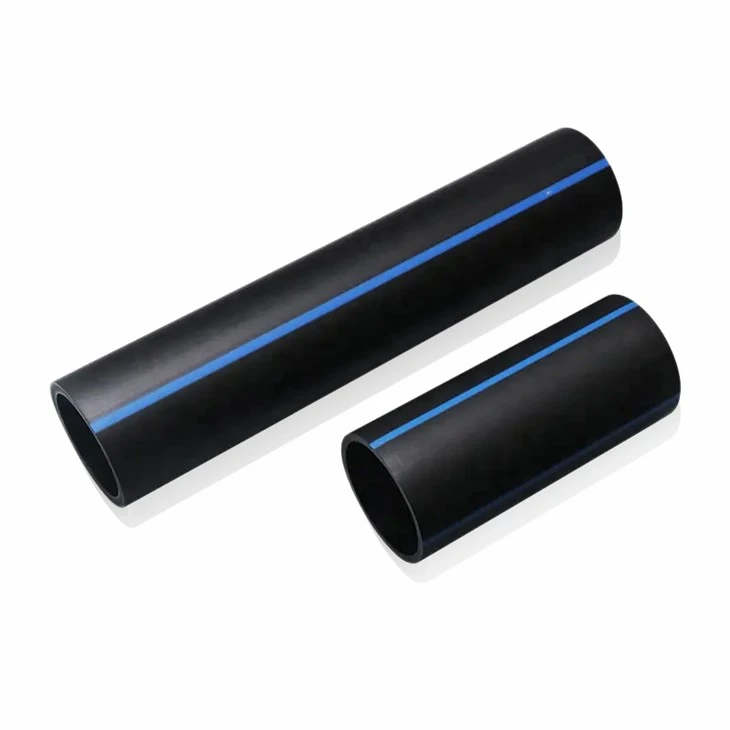
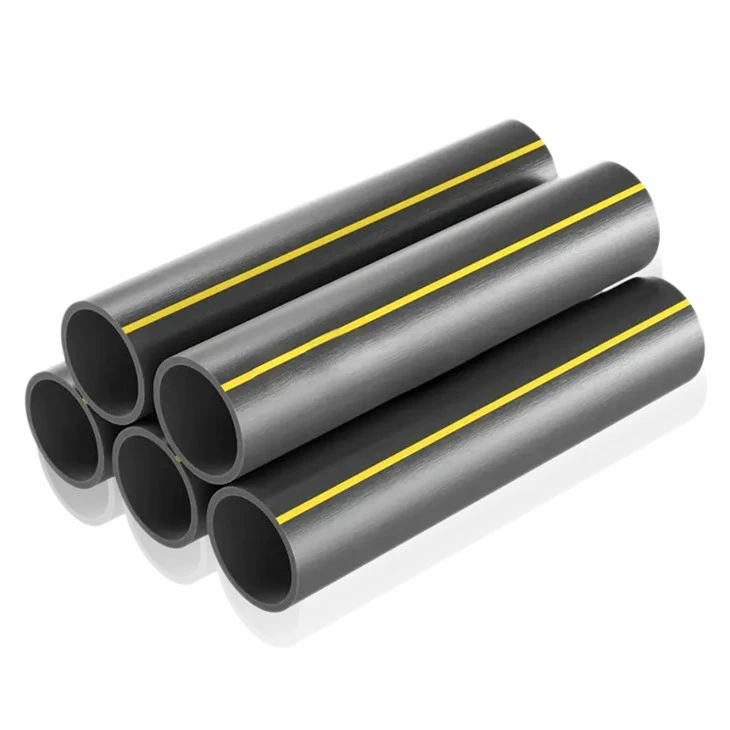
We offer a wide range of products, including Buried PE Pipes and other high - quality pipeline components. Our products are designed to be compatible with both on - premise and cloud - based systems, ensuring seamless integration.
In addition to providing hardware, we also offer installation, maintenance, and support services. Our technical team can help you overcome the challenges of integrating on - premise and cloud systems, ensuring that your hybrid pipeline operates smoothly and efficiently.
Conclusion
A hybrid pipeline that combines on - premise and cloud elements is a powerful solution that offers flexibility, cost - efficiency, security, and advanced analytics. It has applications in various industries, including water supply, oil and gas, and industrial manufacturing. While there are challenges in implementing a hybrid pipeline, with the right expertise and support, these challenges can be overcome.
If you are interested in learning more about our hybrid pipeline solutions or are considering a procurement, we encourage you to reach out to us for a detailed discussion. Our team is ready to assist you in exploring how a hybrid pipeline can transform your business operations.
References
- Smith, J. (2020). "Hybrid Pipeline Technology: A New Era in Industrial Operations". Journal of Pipeline Engineering.
- Brown, A. (2021). "The Benefits and Challenges of Cloud - On - Premise Integration in Pipeline Systems". International Journal of Pipeline Management.