

What is the impact of water quality on PE water supply pipes?
Sep 17, 2026
As a supplier of PE Water Supply Pipes, I've witnessed firsthand the intricate relationship between water quality and the performance of these pipes. Over the years, I've delved deep into the subject, not only from a business perspective but also with a scientific curiosity. In this blog, I'll share my insights on the impact of water quality on PE water supply pipes, backed by industry knowledge and real - world experiences.
The Basics of PE Water Supply Pipes
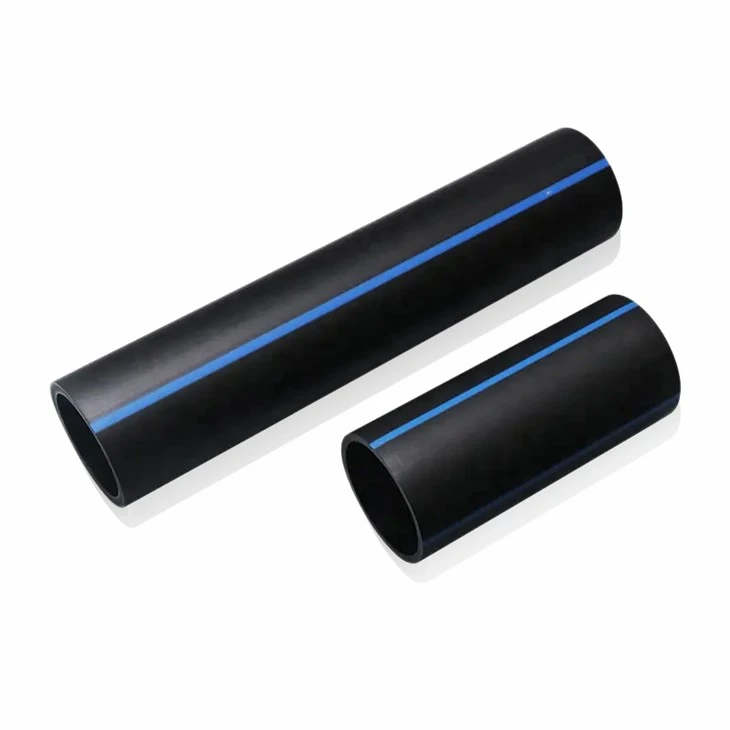
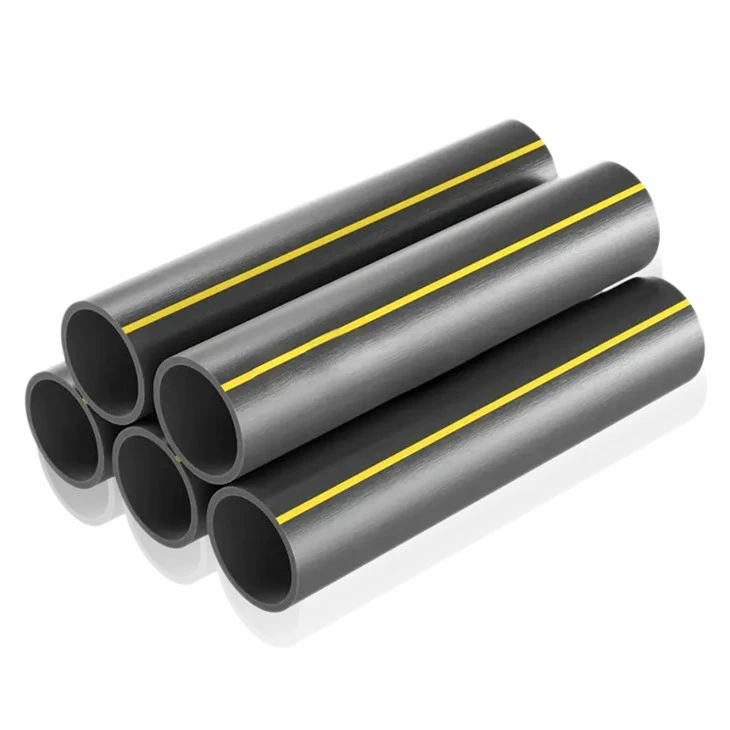
PE, or polyethylene, is a popular material for water supply pipes due to its numerous advantages. It is lightweight, flexible, and resistant to corrosion, which makes it an ideal choice for both above - ground and Buried PE Pipes. These pipes are widely used in residential, commercial, and industrial water supply systems.
PE pipes are available in different grades, such as PE80 and PE100. PE100, for instance, has a higher density and better mechanical properties, making it suitable for high - pressure applications. The molecular structure of PE gives it excellent chemical resistance, which is crucial when it comes to transporting water.
How Water Quality Affects PE Pipes
Chemical Composition of Water
The chemical composition of water can have a significant impact on PE pipes. Water contains various dissolved substances, including minerals, acids, and alkalis. For example, hard water, which has a high concentration of calcium and magnesium ions, can cause scaling inside the pipes over time. Scaling reduces the inner diameter of the pipe, restricting water flow and increasing the pressure within the system.
Acidic water, on the other hand, can react with the PE material. Although PE is generally resistant to acids, prolonged exposure to highly acidic water can lead to degradation of the pipe surface. This degradation can weaken the pipe structure and make it more susceptible to cracks and leaks.
Alkaline water can also pose challenges. High pH levels in water can affect the long - term stability of PE pipes. Some alkaline substances may cause stress cracking in the pipe material, especially under certain environmental conditions.
Microorganisms in Water
Microorganisms such as bacteria, algae, and fungi are commonly found in water sources. These microorganisms can form biofilms on the inner surface of PE water supply pipes. Biofilms are slimy layers composed of microorganisms and their extracellular products.
Biofilms can have several negative effects. Firstly, they can reduce the hydraulic efficiency of the pipes by increasing the roughness of the inner surface. This leads to higher frictional losses and reduced water flow. Secondly, biofilms can harbor harmful bacteria, such as Legionella, which can pose a health risk to consumers.
Moreover, the metabolic activities of microorganisms can produce corrosive substances. For example, some bacteria can produce sulfuric acid, which can corrode the PE pipes over time. This corrosion can compromise the integrity of the pipes and lead to leaks.
Temperature and Water Quality
Temperature is an important factor that interacts with water quality to affect PE pipes. High - temperature water can accelerate the chemical reactions between the water and the PE material. For example, at elevated temperatures, the solubility of minerals in water increases, which can lead to more severe scaling.
In addition, high temperatures can reduce the mechanical strength of PE pipes. PE is a thermoplastic material, and its properties change with temperature. When exposed to high - temperature water for extended periods, the pipes may become softer and more prone to deformation.
On the other hand, low - temperature water can make the PE pipes more brittle. In cold climates, the pipes may be at risk of cracking if they are subjected to sudden pressure changes or impacts.
Impact on Pipe Lifespan
The quality of water directly affects the lifespan of PE water supply pipes. Poor water quality, with high levels of chemicals, microorganisms, or extreme temperatures, can significantly shorten the lifespan of the pipes.
For example, in areas with highly acidic or alkaline water, the pipes may need to be replaced more frequently due to corrosion and stress cracking. Similarly, pipes in water systems with heavy biofilm formation may experience reduced performance and structural integrity over time.
In contrast, when the water quality is good, with low levels of contaminants and a stable pH, the PE pipes can last for several decades. This is one of the reasons why proper water treatment is essential for ensuring the long - term performance of PE water supply systems.
Impact on Water Quality Maintenance
PE pipes can also play a role in maintaining water quality. High - quality PE pipes, such as PE Water Supply Pipe, have a smooth inner surface, which reduces the adhesion of microorganisms and the formation of biofilms. This helps to keep the water clean and free from contaminants.
However, if the pipes are damaged due to poor water quality, they can become a source of contamination. For example, cracks in the pipes can allow external pollutants to enter the water supply system, compromising the safety of the water.
Mitigating the Impact of Water Quality on PE Pipes
Water Treatment
One of the most effective ways to mitigate the impact of water quality on PE pipes is through water treatment. Water treatment processes can remove or reduce the concentration of harmful substances in water. For example, filtration can remove suspended solids, while softening can reduce the hardness of water.
Disinfection is also an important step in water treatment. Chlorination or other disinfection methods can kill microorganisms in the water, preventing the formation of biofilms.
Pipe Design and Installation
Proper pipe design and installation can also help to minimize the impact of water quality. For example, using pipes with a larger diameter can reduce the velocity of water flow, which in turn reduces the likelihood of scaling and biofilm formation.
During installation, it is important to ensure that the pipes are properly supported and protected from external factors. This can prevent stress on the pipes and reduce the risk of cracking.
Regular Monitoring
Regular monitoring of water quality and pipe performance is crucial. By monitoring the chemical composition of water, the presence of microorganisms, and the condition of the pipes, potential problems can be detected early. This allows for timely maintenance and replacement of pipes, if necessary.
Conclusion
As a supplier of PE Water Supply Pipes, I understand the importance of water quality in ensuring the performance and longevity of our products. The impact of water quality on PE pipes is multi - faceted, affecting everything from pipe lifespan to water quality maintenance.
By implementing proper water treatment, pipe design, installation, and monitoring, we can minimize the negative effects of water quality on PE pipes. This not only benefits the end - users by providing a reliable and safe water supply but also helps to reduce the overall cost of the water supply system.
If you are in the market for high - quality PE Water Supply Pipes or have any questions about how water quality may affect your water supply system, I encourage you to reach out for a detailed discussion. We are committed to providing the best solutions for your water supply needs.
References
- ASTM International. (20XX). Standard Specification for Polyethylene (PE) Plastic Pipe, SDR - PR.
- Water Research Foundation. (20XX). Impact of Water Quality on Pipe Materials.
- American Water Works Association. (20XX). Manual of Water Supply Practices: Water Quality and Treatment.