

How do I troubleshoot electrofusion fitting installation issues?
Nov 13, 2026
Troubleshooting electrofusion fitting installation issues is a crucial skill for anyone involved in the installation and maintenance of electrofusion systems. As a supplier of electrofusion fittings, I have encountered a wide range of problems during the installation process. In this blog, I will share some common issues and provide practical solutions to help you overcome them.
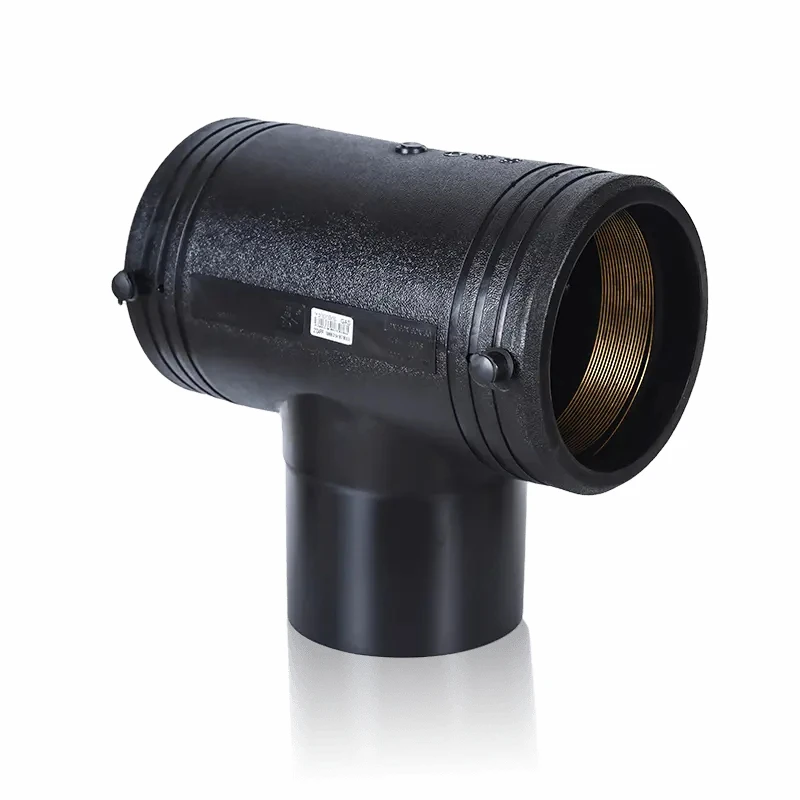
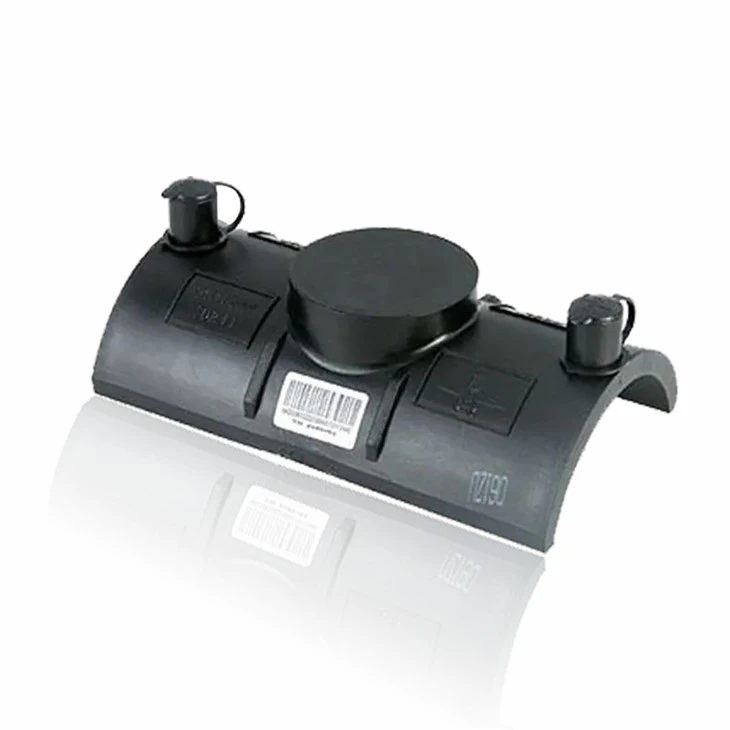
Understanding Electrofusion Fittings
Before delving into troubleshooting, it is essential to understand what electrofusion fittings are and how they work. Electrofusion fittings are used to join polyethylene (PE) pipes in a variety of applications, including gas and water distribution systems. These fittings contain an electric heating element, which, when energized, melts the fitting and the pipe surfaces, creating a strong, permanent bond.
Common Installation Issues and Solutions
1. Poor Welding Quality
- Symptoms: A weak or incomplete bond between the fitting and the pipe, which may result in leaks or failures over time. This can be identified by visual inspection, where the joint may appear uneven, or by pressure testing, which reveals a drop in pressure.
- Causes:
- Surface Contamination: Dirt, grease, or moisture on the pipe or fitting surfaces can prevent proper fusion.
- Incorrect Welding Parameters: Using the wrong voltage, current, or welding time can lead to under - or over - heating of the joint.
- Pipe Misalignment: If the pipe is not properly aligned with the fitting, the heat distribution will be uneven, resulting in a poor weld.
- Solutions:
- Surface Preparation: Thoroughly clean the pipe and fitting surfaces using a suitable solvent and a clean cloth. Ensure that the surfaces are dry before welding.
- Verify Welding Parameters: Refer to the manufacturer's instructions to ensure that the correct welding parameters are used. Use a calibrated welding machine and double - check the settings before starting the welding process.
- Pipe Alignment: Use alignment tools to ensure that the pipe is centered and straight within the fitting. Make sure that there is no excessive gap or misalignment between the two components.
2. Overheating
- Symptoms: The fitting may appear charred or deformed, and the surrounding area may emit a burning smell. Overheating can weaken the joint and reduce its long - term integrity.
- Causes:
- Excessive Welding Current or Voltage: Using too high a current or voltage can cause the heating element to generate more heat than necessary.
- Longer Welding Time: Prolonging the welding time beyond the recommended duration can also lead to overheating.
- Poor Heat Dissipation: If the fitting is not properly ventilated during the welding process, heat can accumulate, causing overheating.
- Solutions:
- Adjust Welding Parameters: Reduce the current or voltage to the recommended levels and ensure that the welding time is within the specified range.
- Improve Ventilation: Provide adequate ventilation around the fitting during the welding process to allow heat to dissipate. You can use fans or open up the working area to improve air circulation.
3. Excessive Melting or "Cold Pull"
- Symptoms: The melted plastic may flow out of the joint region, creating an uneven appearance. In the case of a "cold pull," the joint may separate slightly after the welding process due to the contraction of the plastic as it cools.
- Causes:
- Over - melting: Using a welding current that is too high or a welding time that is too long can cause excessive melting of the plastic.
- Movement During Cooling: Moving the pipe or fitting before the joint has fully cooled can result in a "cold pull" effect.
- Solutions:
- Adjust Welding Parameters: Reduce the amperage and welding time to prevent over - melting. Make sure to follow the manufacturer's guidelines exactly.
- Allow Proper Cooling Time: Do not move or apply stress to the joint until it has completely cooled. The cooling time will depend on the size of the fitting and the ambient temperature, so refer to the manufacturer's recommendations.
4. Electrical Problems
- Symptoms: The welding machine may not start, or it may shut down during the welding process. The heating element in the fitting may not heat up properly.
- Causes:
- Faulty Welding Machine: The welding machine may have internal electrical problems, such as a blown fuse, a damaged circuit board, or a malfunctioning power supply.
- Loose or Damaged Connections: Poor connections between the welding machine, the power source, and the fitting can disrupt the electrical flow.
- Defective Heating Element: The heating element in the fitting may be damaged or have a manufacturing defect.
- Solutions:
- Check the Welding Machine: Inspect the welding machine for any visible signs of damage. Test the machine using a multimeter to ensure that it is functioning properly. If necessary, have the machine repaired or replaced by a qualified technician.
- Verify Connections: Check all electrical connections to ensure that they are tight and secure. Replace any damaged cables or connectors.
- Inspect the Fitting: If the heating element in the fitting is suspected to be defective, replace the fitting with a new one.
Specific Fitting - Related Issues
Electrofusion Reducing Tee
The Electrofusion Reducing Tee is used to connect pipes of different diameters at a T - junction. One common issue with this fitting is ensuring proper fusion at the reduced diameter section. The reduced area can cause uneven heat distribution, leading to a weaker bond. To troubleshoot this, make sure to clean the reduced section thoroughly and adjust the welding parameters slightly to ensure sufficient heat is applied.
Electrofusion Branch Saddle
The Electrofusion Branch Saddle is used to create a branch connection on a main pipe. A frequent problem is achieving a proper seal around the saddle. This can be due to improper alignment or surface contamination. Ensure that the saddle is centered on the main pipe and that both surfaces are clean and dry before welding.
Electrofusion Service Saddle
The Electrofusion Service Saddle is similar to the branch saddle but is often used for smaller service connections. Issues with this fitting may include difficulty in accessing the welding terminals and ensuring proper heat transfer. Use a suitable tool to access the terminals and follow the manufacturer's instructions for welding to ensure a good bond.
Electrofusion Equal Tee
The Electrofusion Equal Tee is used to connect pipes of the same diameter at a T - junction. Alignment is crucial for this fitting. Misalignment can lead to uneven welding and a weak joint. Use alignment tools to ensure that all three pipes are properly aligned before starting the welding process.
Straight Saddle
The Straight Saddle is used to create a straight connection on a main pipe. Problems with this fitting can include poor adhesion and leaks. Make sure to clean the pipe and saddle surfaces thoroughly and follow the correct welding procedure to ensure a strong and leak - free connection.
Preventive Measures
- Training and Education: Ensure that installers are properly trained in electrofusion fitting installation techniques. Provide them with regular training updates to keep them informed about the latest best practices.
- Quality Control: Inspect all fittings and pipes before installation to ensure that they meet the required standards. Check for any signs of damage or defects.
- Documentation: Keep detailed records of all installations, including welding parameters, test results, and any issues encountered. This documentation can be useful for future troubleshooting and quality assurance purposes.
Conclusion
Troubleshooting electrofusion fitting installation issues requires a combination of technical knowledge, experience, and attention to detail. By understanding the common causes of problems and implementing the appropriate solutions, you can ensure that your electrofusion installations are successful and reliable.
If you are facing any installation issues or are interested in purchasing high - quality electrofusion fittings, I encourage you to reach out to us. We are committed to providing excellent products and support to meet your needs.
References
- Manufacturer's manuals for electrofusion fittings and welding machines
- Industry standards for electrofusion installation, such as ISO 21307
- Technical papers on electrofusion joining technology