

How to adjust the opening degree of a PE Standard Ball Valve?
Sep 11, 2026
As a trusted supplier of PE Standard Ball Valve, I understand the importance of correctly adjusting the opening degree of these valves. In this blog, I'll share some practical tips and scientific methods on how to adjust the opening degree of a PE Standard Ball Valve, aiming to help users achieve better operation and control in various applications.
Understanding the Basics of PE Standard Ball Valves
Before diving into the adjustment process, it's essential to understand how PE Standard Ball Valves work. These valves are named for their spherical closure element, which rotates within the valve body to control the flow of fluid. When the bore of the ball is aligned with the pipeline, the valve is fully open, allowing maximum flow. Conversely, when the ball is rotated 90 degrees so that the bore is perpendicular to the pipeline, the valve is fully closed, stopping the flow completely. The intermediate positions between these two extremes allow for partial flow, and adjusting the opening degree precisely can regulate the flow rate, pressure, and other process parameters.
Tools Required for Adjustment
Typically, adjusting the opening degree of a PE Standard Ball Valve doesn't require many specialized tools. A simple valve handle or, in some cases, a wrench may be sufficient. However, depending on the valve's size and the application, you might also need additional tools such as:
- Position Indicator: Some valves are equipped with position indicators that show the exact opening degree. This can be extremely helpful, especially in applications where precise adjustment is required.
- Flow Meter: If you need to adjust the opening degree based on the actual flow rate, a flow meter can provide real - time data to help you make more accurate adjustments.
Step - by - Step Adjustment Process
Step 1: Safety First
Before starting any adjustment, make sure you follow all safety protocols. This includes wearing appropriate personal protective equipment (PPE), such as gloves and safety glasses. If the valve is in a high - pressure or high - temperature environment, ensure the system is depressurized and cooled down to a safe level.
Step 2: Identify the Valve
Confirm that you are adjusting the correct valve. Check the valve's label, which should indicate its type, size, and any special operating instructions. It's also a good idea to familiarize yourself with the valve's installation diagram to understand its orientation and connection to the pipeline system.
Step 3: Determine the Desired Opening Degree
Based on your process requirements, decide what opening degree you need. This could be fully open, fully closed, or an intermediate position. If you are adjusting the valve to control flow rate, you may need to refer to the system's flow - control chart or use a flow meter to measure the current flow and determine the appropriate opening degree.
Step 4: Adjust the Valve
- Manual Valves: Most PE Standard Ball Valves are manually operated. To adjust the opening degree, simply turn the valve handle. For a counter - clockwise rotation (when looking at the top of the valve handle), the valve will open, and for a clockwise rotation, it will close. If the valve has a locking mechanism, you may need to unlock it first.
- Automated Valves: In some industrial applications, PE Standard Ball Valves may be automated, perhaps controlled by a pneumatic or electric actuator. To adjust the opening degree of an automated valve, you'll need to use the control system associated with the actuator. This could involve using a control panel, a remote controller, or a programmable logic controller (PLC).
Step 5: Monitor the System
After making the adjustment, closely monitor the system to ensure that the desired results are achieved. Check the flow rate, pressure, and other relevant process parameters. If the results are not satisfactory, you may need to make further minor adjustments.
Special Considerations for Different Types of PE Ball Valves
- PE Double Purge Ball Valve: These valves are designed with a double - purge feature, which provides an additional level of safety by allowing for the removal of any trapped fluid between the seats. When adjusting the opening degree of a PE Double Purge Ball Valve, pay special attention to the purge ports. Make sure they are properly sealed or opened as required by your process.
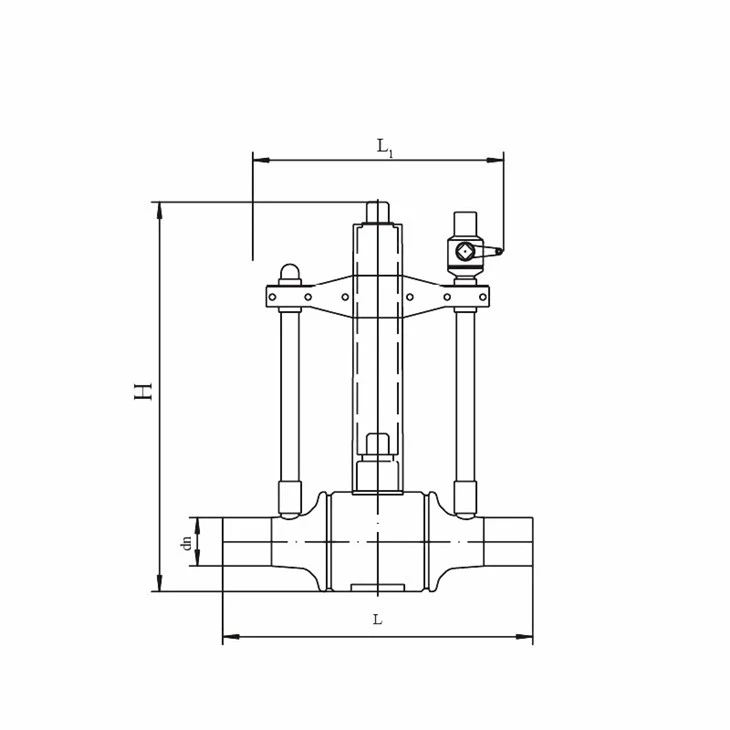
- PE Extended Stem Ball Valve: The extended stem of these valves is useful in applications where the valve needs to be operated from a distance or in a hazardous environment. When adjusting the opening degree, ensure that the extended stem is properly aligned and that there is no interference with the movement of the valve handle or actuator.
- PE Single Purge Ball Valve: Similar to the double - purge valve, the single - purge valve has a purge port. Adjust the opening degree while keeping in mind the function of the purge port and how it may interact with the flow control.
Troubleshooting Common Adjustment Issues
- Stiff Valve Operation: If the valve is difficult to turn, it could be due to debris in the valve body, a misaligned ball, or a problem with the valve stem. Try cleaning the valve or lubricating the stem. If the problem persists, it may be necessary to disassemble the valve for further inspection.
- Inaccurate Opening Degree: If the valve doesn't seem to be opening or closing to the desired degree, check the position indicator. It could be misaligned or damaged. You may also need to verify that the valve is not damaged internally, such as a worn - out ball or seat.
Conclusion and Call to Action
Adjusting the opening degree of a PE Standard Ball Valve is a crucial skill in many industrial and commercial applications. By following the steps and considerations outlined in this blog, you can ensure that your valves are operating at their best, providing reliable flow control.
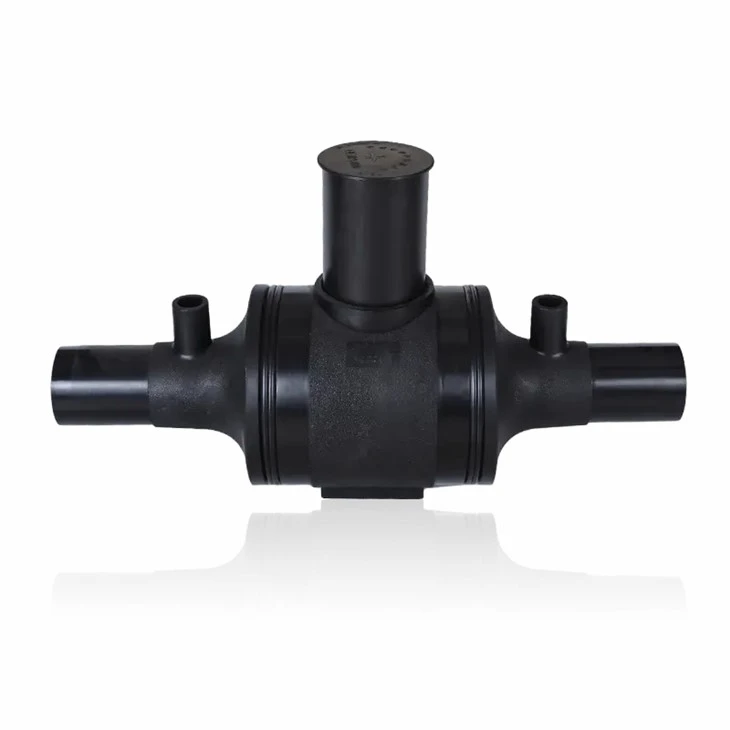
As a leading supplier of PE Standard Ball Valves, we offer a wide range of high - quality products that are designed to meet the diverse needs of our customers. Whether you are looking for a standard valve or a specialized one like the PE Double Purge Ball Valve, PE Extended Stem Ball Valve, or PE Single Purge Ball Valve, we have the solution for you.
If you are interested in purchasing our PE ball valves or have any questions about valve adjustment, flow control, or product selection, please feel free to contact us. We are here to assist you in finding the right valve for your application and providing you with the support you need for a successful installation and operation.
References
- Valve Handbook, 4th Edition, by Robert W. Miller
- Industrial Valves: Selection, Specification, and Sizing, by David W. Spitzer