

What are the requirements for reusing an Electrofusion Elbow 90?
Sep 14, 2026
Reusing an Electrofusion Elbow 90 can be an effective way to reduce costs and minimize waste in certain pipeline systems. However, it is crucial to understand the specific requirements and conditions under which this reuse is possible and safe. As a supplier of Electrofusion Elbow 90, I have had the opportunity to work closely with various clients in different industries, and I am well - versed in the factors that must be considered before attempting to reuse these components.
1. Physical Inspection
Before reusing an Electrofusion Elbow 90, a thorough physical inspection is necessary. First, check for any visible signs of damage such as cracks, scratches, or dents. Cracks can significantly compromise the integrity of the elbow, leading to potential leaks or failures in the pipeline system. Even small cracks can propagate under pressure, causing serious problems over time. Scratches, especially deep ones, can also act as stress concentrators, increasing the likelihood of future damage.
Inspect the surface finish of the elbow. A rough or uneven surface may affect the quality of the electrofusion joint during reinstallation. Any contaminants on the surface, such as dirt, grease, or rust, should be removed. This can be done by using appropriate cleaning agents and tools. A clean surface is essential for a proper electrofusion connection as it ensures good electrical conductivity and a strong bond between the elbow and the pipes.
Examine the electrofusion coils inside the elbow. These coils are responsible for generating heat during the electrofusion process, which melts the plastic and creates the joint. Look for any signs of damage, such as broken wires or short circuits. A damaged coil will not be able to generate the required heat, resulting in a weak or failed joint. If the coils are damaged beyond repair, the elbow may not be suitable for reuse.
2. Material Compatibility
The material of the Electrofusion Elbow 90 must be compatible with the pipes it will be connected to. In most cases, electrofusion fittings are made of polyethylene (PE), which has excellent chemical resistance and durability. However, different grades of PE exist, and it is important to ensure that the grade of the reused elbow matches the grade of the pipes.
Chemical compatibility is also a crucial factor. If the pipeline system transports chemicals, the elbow material must be able to withstand the specific chemicals without undergoing degradation. For example, some chemicals can cause swelling, cracking, or embrittlement of the PE material. A material compatibility chart should be consulted to determine if the reused elbow is suitable for the intended application.
In addition to chemical compatibility, the mechanical properties of the materials must also be considered. The pipe and the elbow should have similar strength and stiffness characteristics to ensure a uniform distribution of stress within the pipeline system. Mismatched mechanical properties can lead to premature failure of the joint or the pipe itself.
3. Pressure and Temperature Ratings
The pressure and temperature ratings of the Electrofusion Elbow 90 are important considerations for reuse. The elbow must be able to withstand the maximum pressure and temperature conditions of the pipeline system. These ratings are usually indicated on the fitting by the manufacturer.
Over - pressurization can cause the elbow to burst or the electrofusion joint to fail. Therefore, it is essential to ensure that the pressure rating of the reused elbow is equal to or higher than the maximum operating pressure of the system. Similarly, high temperatures can soften the plastic material and reduce its strength. The temperature rating of the elbow should also be suitable for the operating temperature range of the pipeline.
If the pipeline system experiences significant pressure or temperature fluctuations, additional factors such as thermal expansion and contraction must be considered. The reused elbow should be able to accommodate these changes without causing excessive stress on the joint or the pipes.
4. Previous Installation and Usage History
The history of the previous installation and usage of the Electrofusion Elbow 90 can provide valuable information about its suitability for reuse. Find out how long the elbow has been in service, the type of pipeline system it was used in, and any maintenance or repair work that has been done on it.
If the elbow has been subjected to excessive stress, such as frequent pressure surges or vibrations, it may have experienced internal damage that is not visible during a physical inspection. Additionally, if the elbow was previously installed in a system with a high - risk environment, such as a chemical plant or an offshore platform, it may have been exposed to more severe conditions.
In some cases, the previous electrofusion joint may have been poorly done, which can affect the integrity of the elbow. If there are any doubts about the quality of the previous installation, it may be necessary to perform additional tests or inspections before reusing the elbow.
5. Testing
Before reusing an Electrofusion Elbow 90, it is advisable to conduct some tests to ensure its performance. Non - destructive testing methods, such as ultrasonic testing or X - ray inspection, can be used to detect internal defects that may not be visible to the naked eye. These tests can help identify cracks, voids, or other flaws within the elbow material.
Pressure testing is another important step. The elbow can be tested to its maximum pressure rating or a slightly higher pressure to ensure that it can withstand the operating conditions of the pipeline system. During the pressure test, the elbow should be monitored for any signs of leakage or deformation.
Electrical testing of the electrofusion coils can also be performed to ensure that they are functioning properly. This can involve measuring the resistance of the coils and checking for any electrical shorts.
6. Reinstallation Process
When reusing an Electrofusion Elbow 90, the reinstallation process must be carried out carefully to ensure a successful electrofusion joint. First, clean the surfaces of the elbow and the pipes to be connected. Remove any dirt, debris, or oxidation using a suitable cleaning agent and a clean cloth.
Align the elbow and the pipes accurately. Proper alignment is crucial for a strong and leak - free joint. Use alignment tools if necessary to ensure that the components are aligned correctly.
Connect the electrofusion welding machine to the coils in the elbow according to the manufacturer's instructions. Set the welding parameters, such as the welding time and voltage, based on the size and material of the elbow and the pipes. During the electrofusion process, the welding machine should be monitored closely to ensure that the correct amount of heat is generated and the joint is formed properly.
After the electrofusion process is complete, allow the joint to cool down for the recommended period of time. This will ensure that the plastic material hardens and forms a strong bond.
Related Electrofusion Fittings
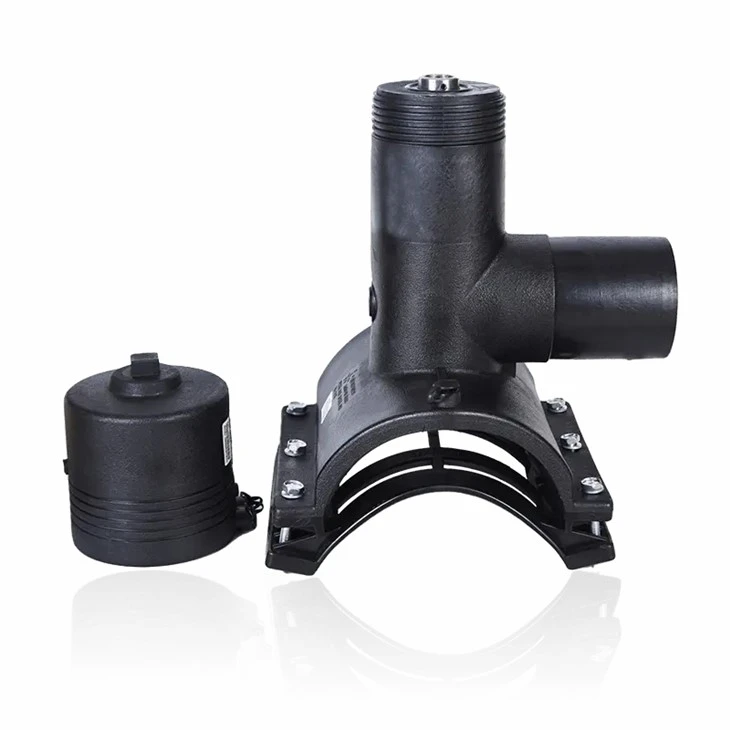
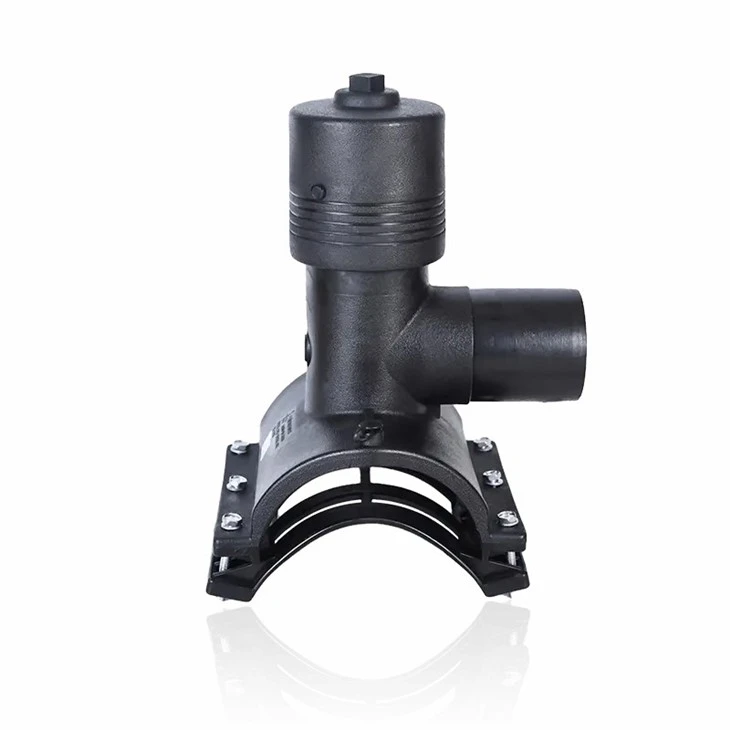
In addition to the Electrofusion Elbow 90, we also supply a wide range of other electrofusion fittings, including Electrofusion Reducing Tee, Electrofusion Equal Tee, Electric Fusion Coupling, Electrofusion Elbow 45, and Electrofusion Branch Saddle. These fittings are designed to work seamlessly with our Electrofusion Elbow 90 and provide reliable solutions for various pipeline systems.
Conclusion
Reusing an Electrofusion Elbow 90 can be a viable option if the proper requirements are met. By conducting a thorough physical inspection, ensuring material compatibility, considering pressure and temperature ratings, reviewing the previous installation and usage history, performing appropriate tests, and following the correct reinstallation process, it is possible to safely reuse these components.
If you are considering reusing Electrofusion Elbow 90 or are in need of high - quality electrofusion fittings, we are here to assist you. Our team of experts can provide you with professional advice and guidance to ensure that you make the right decisions for your pipeline system. Contact us for more information and to start your procurement and negotiation process.
References
- Smith, J. (20XX). Handbook of Plastic Pipe Fittings. Publisher Name.
- ASTM Standards for Plastic Pipe Fittings. ASTM International.
- Manufacturer's Guidelines for Electrofusion Fittings. [Supplier of Manufacturer's Name].