

How does a steel - plastic joint compare with traditional joints in terms of cost?
Nov 10, 2026
Joints play a crucial role in various industries, serving as the connection points between different components. Traditional joints have long been the go-to solution, but in recent years, steel - plastic joints have emerged as a viable alternative. As a steel - plastic joint supplier, I am often asked about how these joints compare to traditional ones, especially in terms of cost. In this blog post, I will delve into this topic and provide a comprehensive analysis.
Initial Purchase Cost
When it comes to the initial purchase cost, traditional joints, such as those made of pure steel or other metals, often have a wide price range depending on the material quality and complexity of design. High - quality steel joints can be quite expensive, especially if they are made from specialized alloys or require intricate machining processes.
On the other hand, steel - plastic joints offer a more cost - effective option in many cases. The combination of steel and plastic reduces the amount of expensive steel used, while still maintaining a certain level of strength and durability. For example, our Steel Threaded Transition Fitting is designed to provide a seamless connection between steel and plastic pipes. It is priced more competitively than a fully steel threaded fitting of similar specifications. This cost - advantage makes steel - plastic joints an attractive choice for budget - conscious projects, especially those with large - scale joint requirements.
Installation Cost
Installation cost is another significant factor to consider. Traditional joints often require specialized tools and skilled labor for installation. For instance, welding steel joints demands experienced welders and proper welding equipment. The cost of hiring skilled labor and maintaining the welding equipment can add up quickly, especially for large projects.
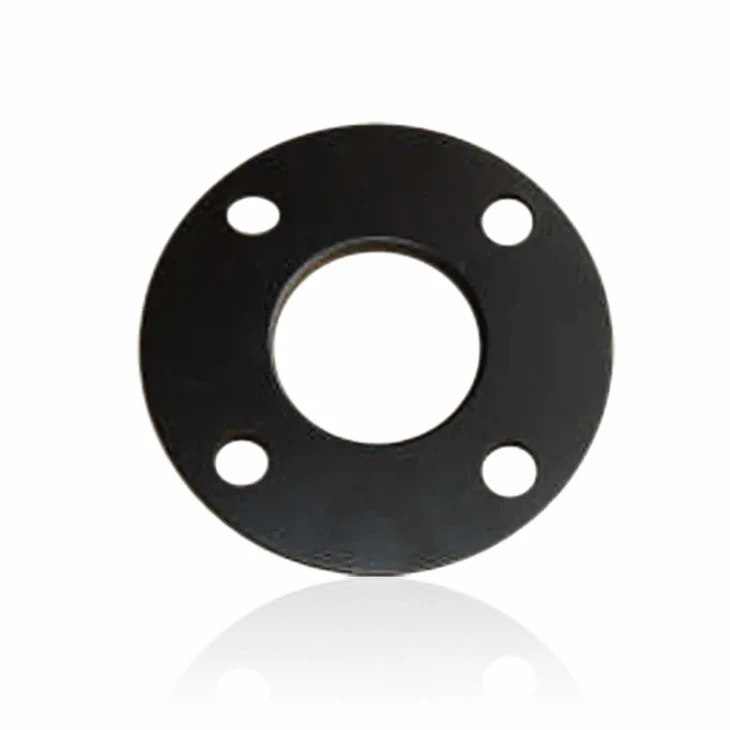
In contrast, steel - plastic joints are generally easier to install. They can be joined using methods such as threading or simple mechanical connections, which do not require complex welding procedures. Our Carbon Steel Backing Flange can be easily installed with basic hand tools, reducing the need for highly skilled labor. This simplicity in installation not only cuts down on labor costs but also shortens the installation time, allowing projects to be completed more quickly and efficiently.
Maintenance Cost
Over the lifespan of a joint, maintenance cost is a critical consideration. Traditional metal joints are prone to corrosion, especially in harsh environments such as those with high humidity, chemical exposure, or saltwater. Corrosion can weaken the joints, leading to potential leaks and structural failures. To prevent corrosion, regular maintenance such as painting, coating, and inspection is often required. These maintenance activities incur additional costs in terms of materials, labor, and downtime.
Steel - plastic joints, however, have better corrosion resistance due to the plastic component. The plastic acts as a protective layer, reducing the risk of corrosion on the steel part. Our Straight - type Steel - Plastic Transition Fitting is designed to withstand a variety of environmental conditions, minimizing the need for frequent maintenance. This results in long - term cost savings as the overall maintenance requirements are significantly reduced.
Lifespan and Replacement Cost
The lifespan of a joint directly impacts the replacement cost. Traditional joints may have a shorter lifespan in certain environments due to factors like corrosion, wear and tear. When a joint fails, it needs to be replaced, which can be a costly process. The replacement cost includes the price of the new joint, labor for removal and installation, and potential downtime for the system.
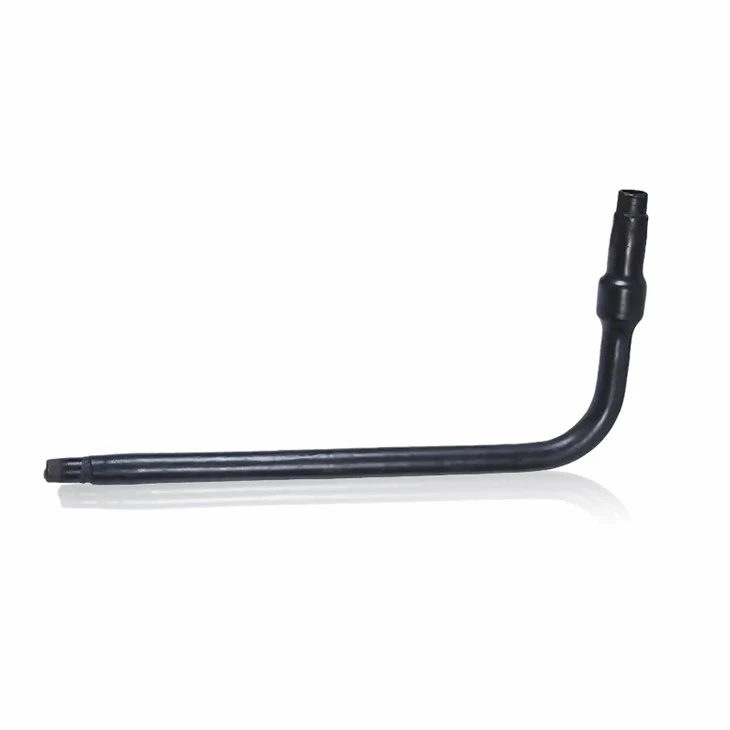
Steel - plastic joints, with their enhanced durability and corrosion resistance, tend to have a longer lifespan. For example, our Steel 90 Elbow Adapter is engineered to last, providing reliable service over an extended period. A longer lifespan means less frequent replacements, which translates into significant cost savings over the long run.
Total Cost of Ownership
When evaluating the cost of joints, it is essential to consider the total cost of ownership (TCO). TCO includes the initial purchase cost, installation cost, maintenance cost, and replacement cost over the entire lifespan of the joint. While traditional joints may seem cheaper at the initial purchase stage in some cases, the high installation, maintenance, and replacement costs can make them more expensive in the long term.
Steel - plastic joints, with their lower initial purchase cost, easier installation, reduced maintenance requirements, and longer lifespan, generally offer a lower total cost of ownership. This makes them a more cost - effective choice for a wide range of applications, from plumbing systems in buildings to industrial pipelines.
Conclusion
In conclusion, steel - plastic joints offer several cost - advantages compared to traditional joints. They are more cost - effective in terms of initial purchase, installation, maintenance, and replacement. As a steel - plastic joint supplier, I have seen firsthand how these joints can help our customers save money while still providing reliable performance.
If you are considering using joints for your next project and want to explore the cost - saving benefits of steel - plastic joints, I encourage you to contact us for a detailed discussion. We can provide you with customized solutions based on your specific requirements and help you make an informed decision.
References
- Smith, J. (2020). "Advances in Joint Technology: A Comparison of Traditional and Composite Joints." Journal of Engineering Materials.
- Johnson, A. (2019). "Cost - Benefit Analysis of Different Joint Types in Industrial Applications." Industrial Engineering Review.