

How to prevent the leakage of a PE Standard Ball Valve?
Nov 09, 2026
As a supplier of PE Standard Ball Valves, I understand the critical importance of preventing valve leakage. A leaking valve not only leads to product loss but can also pose safety risks and environmental hazards. In this blog, I'll share some practical strategies to prevent the leakage of PE Standard Ball Valves.
Understanding the Structure and Working Principle of PE Standard Ball Valves
Before delving into prevention methods, it's essential to understand the structure and working principle of PE Standard Ball Valve. These valves consist of a body, a ball with a bored hole, a stem, and seals. The ball rotates within the valve body, and when the hole in the ball aligns with the flow path, the valve is open; when it's perpendicular, the valve is closed.
The seals play a crucial role in preventing leakage. There are typically two types of seals in a PE Standard Ball Valve: the seat seal and the stem seal. The seat seal prevents fluid from leaking around the ball, while the stem seal stops leakage along the stem.
Proper Installation
Proper installation is the first step in preventing valve leakage. Here are some key points to keep in mind:
- Pipe Alignment: Ensure that the pipes connected to the valve are properly aligned. Misaligned pipes can put stress on the valve body and seals, leading to leakage. Use alignment tools during installation to ensure accurate alignment.
- Torque Specifications: Follow the manufacturer's torque specifications when tightening the valve connections. Over - tightening can damage the seals, while under - tightening can result in loose connections and leakage. Use a torque wrench to achieve the correct torque.
- Cleaning: Before installation, clean the pipes and the valve thoroughly. Any dirt, debris, or foreign particles can damage the seals and cause leakage. Use a clean cloth or a pipe cleaner to remove any contaminants.
Regular Maintenance
Regular maintenance is essential for the long - term performance of PE Standard Ball Valves. Here are some maintenance tasks:
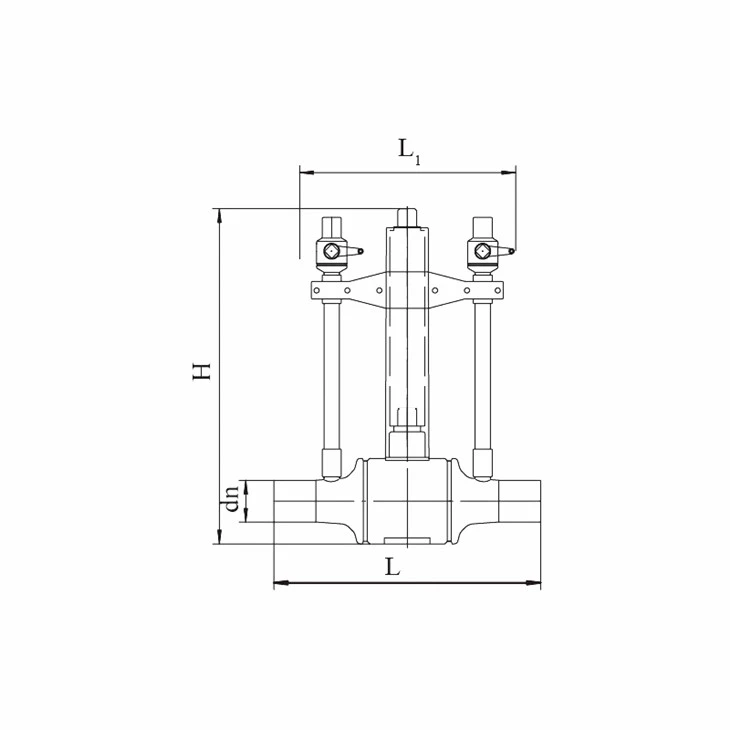
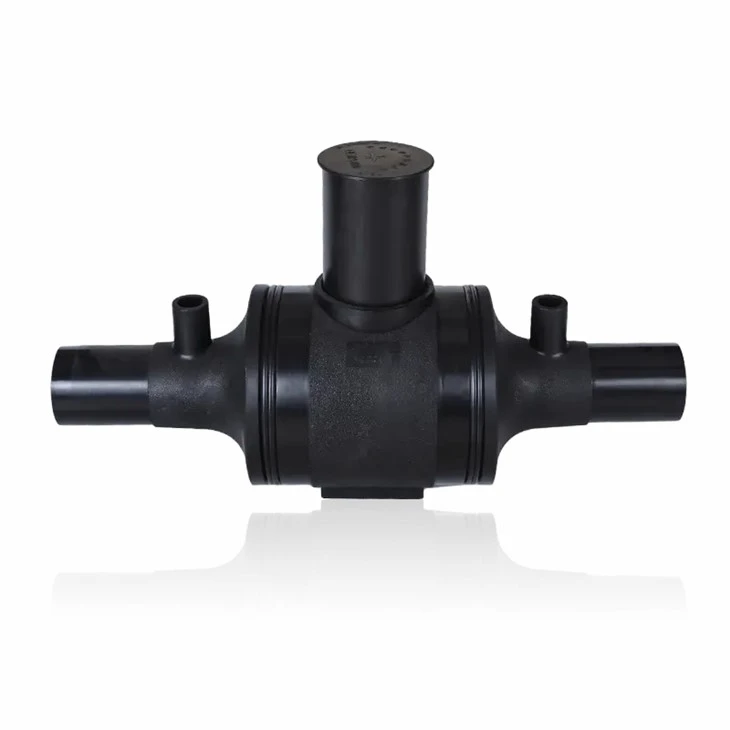
- Inspection: Periodically inspect the valve for signs of wear, damage, or leakage. Check the seals, the valve body, and the stem for any cracks, scratches, or deformation. If any issues are found, replace the damaged parts immediately.
- Lubrication: Lubricate the stem and the seals according to the manufacturer's recommendations. Lubrication helps to reduce friction, prevent wear, and improve the sealing performance of the valve. Use a suitable lubricant that is compatible with the valve materials.
- Operational Checks: Operate the valve regularly to ensure smooth operation. Stuck valves can cause damage to the seals and lead to leakage. If the valve is difficult to operate, check for any blockages or mechanical issues.
Selecting the Right Valve for the Application
Choosing the appropriate valve for the specific application is crucial in preventing leakage. Consider the following factors:
- Pressure and Temperature: Select a valve that can withstand the pressure and temperature conditions of the application. If the valve is exposed to high pressure or temperature, a valve with higher ratings should be used.
- Fluid Compatibility: Ensure that the valve materials are compatible with the fluid being transported. Incompatible materials can cause chemical reactions and damage to the valve, leading to leakage.
- Valve Design: Different applications may require different valve designs. For example, PE Double Purge Ball Valve is suitable for applications where a high level of sealing is required, while PE Single Purge Ball Valve may be sufficient for less critical applications.
Quality Control of Valve Materials
The quality of the valve materials directly affects the sealing performance and leakage prevention. As a supplier, we pay close attention to the following aspects:
- Material Selection: We use high - quality polyethylene (PE) materials for our valves. These materials have excellent chemical resistance, mechanical properties, and durability.
- Manufacturing Process: Our manufacturing process is strictly controlled to ensure the quality of the valves. We use advanced molding and machining techniques to produce valves with precise dimensions and smooth surfaces.
- Testing: All our valves undergo rigorous testing before leaving the factory. We test the valves for pressure resistance, sealing performance, and other parameters to ensure that they meet the quality standards.
Training for Operators
Proper training for operators is also important in preventing valve leakage. Operators should be familiar with the valve's operation, maintenance, and safety procedures. Here are some training points:
- Operation Instructions: Provide operators with detailed operation instructions. They should know how to open and close the valve correctly, how to adjust the flow rate, and how to handle emergency situations.
- Maintenance Training: Train operators on the maintenance tasks, such as inspection, lubrication, and replacement of parts. They should be able to identify potential problems and take appropriate measures in a timely manner.
- Safety Awareness: Raise operators' safety awareness. They should know the potential risks associated with valve leakage and how to prevent and deal with them.
Monitoring and Early Warning Systems
Installing monitoring and early warning systems can help detect valve leakage at an early stage. Here are some common monitoring methods:
- Pressure Sensors: Install pressure sensors near the valve to monitor the pressure changes. A sudden drop in pressure may indicate valve leakage.
- Flow Sensors: Use flow sensors to measure the flow rate. If the flow rate is abnormal, it may be a sign of leakage.
- Leak Detection Devices: Install leak detection devices, such as gas detectors or liquid sensors, around the valve. These devices can detect the presence of leaked fluid and send an alarm signal.
Conclusion
Preventing the leakage of PE Standard Ball Valves requires a comprehensive approach that includes proper installation, regular maintenance, selection of the right valve, quality control of materials, training for operators, and the use of monitoring and early warning systems. As a supplier, we are committed to providing high - quality valves and technical support to help our customers prevent valve leakage and ensure the safe and efficient operation of their systems.
If you are interested in our PE Standard Ball Valve or other related products, such as PE Single Purge Ball Valve, PE Double Purge Ball Valve, and PE Extended Stem Ball Valve, please feel free to contact us for further discussion and procurement negotiation.
References
- ASME B16.34 - Valves - Flanged, Threaded, and Welding End.
- ISO 10438 - Industrial Valves - Valves for Use in Nuclear Power Plants - Class 1, 2, and 3.
- API 6D - Pipeline Valves - Specification for Pipeline Valves.