

How does the humidity in the environment affect the performance of a steel - plastic joint?
Nov 06, 2026
The performance of steel - plastic joints is crucial in many industrial and domestic applications, as they serve as a vital link between steel and plastic components. One often overlooked factor that can significantly impact the performance of these joints is the humidity in the environment. As a steel - plastic joint supplier, I have witnessed firsthand how environmental humidity can either enhance or degrade the functionality of our products.
Physical and Chemical Effects of Humidity on Steel - Plastic Joints
1. Moisture Absorption in Plastic Components
Most plastics used in steel - plastic joints have a certain degree of hygroscopicity, meaning they can absorb moisture from the surrounding air. When the humidity is high, plastic components in the joint are more likely to absorb water. This can lead to dimensional changes as the plastic swells. For example, polyamide (PA), a commonly used plastic in steel - plastic joints, has a relatively high moisture absorption rate. When it absorbs water, it can expand by up to several percentage points, which might cause stress within the joint and potentially lead to misalignment or loosening.
The presence of moisture can also alter the mechanical properties of the plastic. The absorbed water acts as a plasticizer, reducing the stiffness and strength of the plastic. In a steel - plastic joint, this could result in a decrease in the joint's load - bearing capacity. If the joint is used in a high - pressure system, the weakened plastic may not be able to withstand the forces, leading to joint failure.
2. Corrosion of Steel Components
Humidity is a major contributor to the corrosion of steel. In the presence of water vapor in the air, a thin film of water can form on the surface of the steel. When this water film combines with oxygen in the air and other contaminants, such as sulfur dioxide or chloride ions, it creates an ideal environment for corrosion.
In a steel - plastic joint, corrosion of the steel part can have several negative impacts. Firstly, it can reduce the cross - sectional area of the steel, weakening its mechanical strength. This is particularly critical in load - bearing joints. Secondly, corrosion products, such as rust, can occupy more volume than the original steel, causing expansion within the joint. This expansion can generate internal stresses, which may lead to cracking of the plastic component in the joint or even separation of the steel and plastic parts.
3. Impact on Adhesive Bonds
Many steel - plastic joints rely on adhesives to bond the steel and plastic components together. Humidity can have a profound effect on the performance of these adhesive bonds. High humidity can prevent the proper curing of adhesives. Some adhesives require a dry environment to form strong chemical bonds. When the humidity is too high, the water vapor in the air can react with the adhesive components, interfering with the curing process and resulting in a weak bond.
Even after the adhesive has cured, high humidity can cause the bond to degrade over time. Water molecules can penetrate the adhesive layer and weaken the intermolecular forces between the adhesive and the steel or plastic surfaces. This can lead to delamination of the adhesive, reducing the joint's integrity and performance.
Performance Degradation in Different Applications
1. Plumbing Systems
In plumbing systems, steel - plastic joints are used to connect steel pipes to plastic pipes. High humidity can cause corrosion of the steel part of the joint, leading to leaks. If the plastic component swells due to moisture absorption, it can also disrupt the tight seal between the joint and the pipes, allowing water to seep out. For example, in a bathroom or a basement where humidity is often high, these issues can be more prevalent.
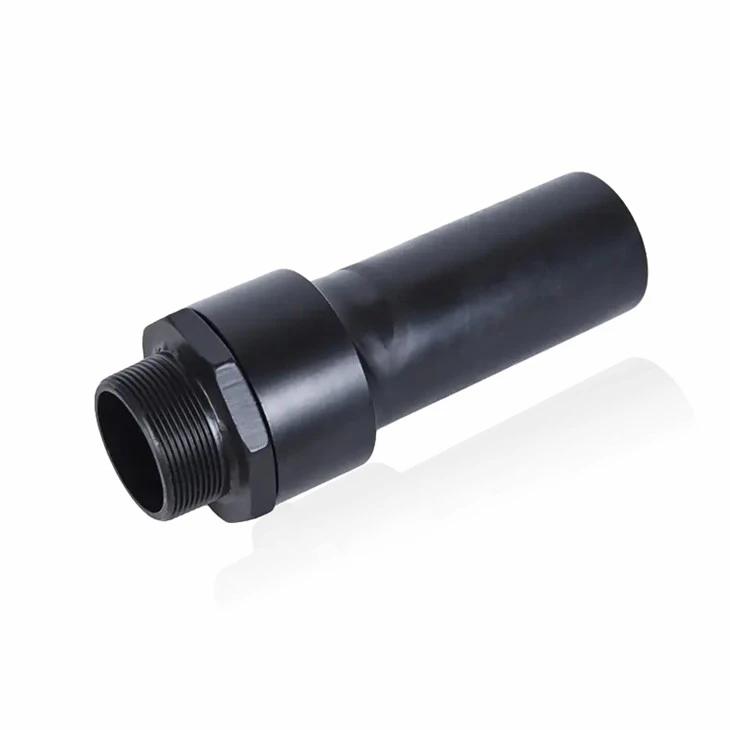
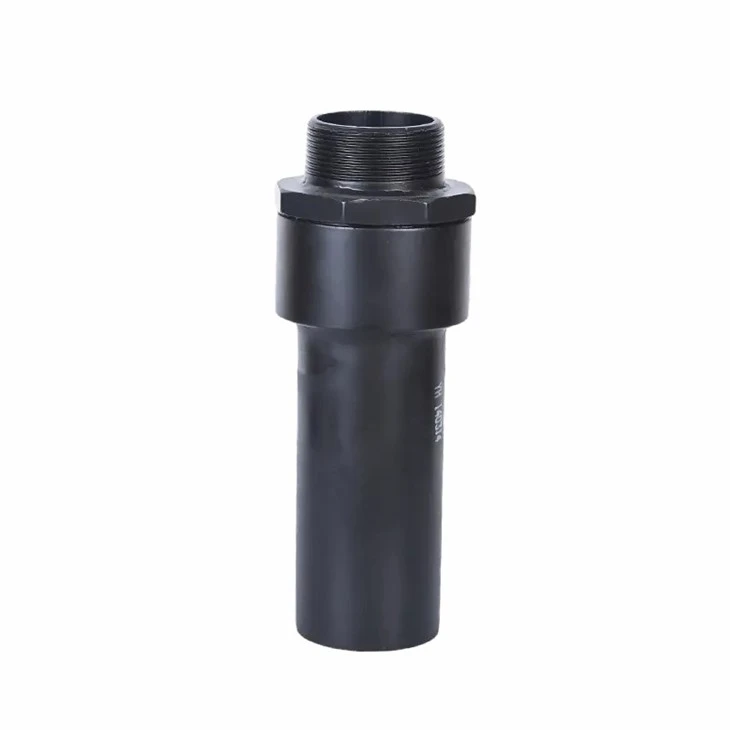
Our Straight - type Steel - Plastic Transition Fitting is commonly used in plumbing systems. If installed in a high - humidity environment, the factors mentioned above can significantly affect its performance. The corrosion of the steel part may require frequent replacement of the fitting, increasing maintenance costs.
2. Chemical Processing Plants
Chemical processing plants often use steel - plastic joints in pipelines that transport various chemicals. In these environments, humidity can not only cause corrosion of the steel but also react with the chemicals being transported. For instance, if the pipeline is carrying a reactive chemical, the presence of water from high humidity can initiate unwanted chemical reactions.
The Steel Threaded Transition Fitting is widely applied in chemical processing plants. The performance of this fitting can be severely affected by humidity. The weakened plastic due to moisture absorption may not be able to resist the chemical corrosion as well as it should, and the corroded steel can contaminate the chemicals in the pipeline.
3. Outdoor Infrastructure
Outdoor infrastructure, such as water supply networks or drainage systems, is constantly exposed to the atmosphere. The humidity in the outdoor environment can vary greatly depending on the geographical location and weather conditions. In coastal areas, where the humidity is often high and the air contains salt particles, the corrosion of steel in steel - plastic joints is even more severe.
Our Steel 90 Elbow Adapter used in outdoor infrastructure can face challenges due to high humidity. The combination of salt - induced corrosion and moisture - related plastic swelling can lead to early failure of the joints, disrupting the normal operation of the infrastructure.
Mitigation Strategies
1. Material Selection
One way to mitigate the effects of humidity on steel - plastic joints is through proper material selection. For the plastic component, choosing a low - hygroscopicity plastic can reduce the risk of moisture absorption. For example, polyethylene (PE) has a very low moisture absorption rate compared to polyamide. For the steel part, using corrosion - resistant steel, such as stainless steel, can significantly reduce the corrosion problem.
2. Surface Treatment
Applying surface treatments to the steel components can also enhance their corrosion resistance. Galvanizing, for instance, is a common process where a layer of zinc is applied to the steel surface. Zinc acts as a sacrificial anode, protecting the steel from corrosion. Paint coatings can also be used to provide a physical barrier between the steel and the humid environment.
3. Sealing and Encapsulation
Using proper sealing techniques can prevent moisture from reaching the sensitive parts of the steel - plastic joint. Sealing gaskets can be installed between the steel and plastic components to reduce the ingress of water vapor. Encapsulating the joint in a protective casing can also provide an additional layer of protection against humidity.
The Role of a Steel - Plastic Joint Supplier
As a steel - plastic joint supplier, we play a crucial role in helping our customers understand the impact of humidity on the performance of our products. We provide detailed information about the materials used in our joints, including their moisture absorption characteristics and corrosion resistance. Our technical support team can offer advice on the appropriate installation methods and mitigation strategies based on the specific environmental conditions of the customer's application.
We also continuously invest in research and development to improve the performance of our steel - plastic joints in high - humidity environments. By using advanced materials and manufacturing techniques, we aim to produce joints that are more resistant to the negative effects of humidity.
If you are in need of high - quality steel - plastic joints or have any questions about how to deal with humidity challenges in your application, please do not hesitate to contact us for procurement discussions. We are committed to providing you with the best solutions for your specific needs.
References
- Jones, D. A. (1992). Principles and Prevention of Corrosion. Macmillan.
- Mark, J. E., & Erman, B. (2007). Science and Technology of Rubber. Academic Press.
- Strobel, G. A., & Russell, J. D. (2009). The Analysis of Polymers and Plastics by XPS and AES. Wiley.