

What is the installation process of a steel - plastic joint?
Sep 16, 2026
Hey there, folks! I'm a supplier of steel-plastic joints, and I'm stoked to walk you through the installation process of these awesome fittings. Whether you're a DIY enthusiast or a professional in the plumbing or piping industry, understanding how to install steel-plastic joints correctly is crucial for a successful project.
What Are Steel-Plastic Joints?
Before we dive into the installation process, let me quickly explain what steel-plastic joints are. These joints are designed to connect steel pipes to plastic pipes, providing a reliable and leak-free connection. They combine the strength and durability of steel with the corrosion resistance and flexibility of plastic, making them a popular choice for a wide range of applications, including water supply systems, chemical processing plants, and irrigation systems.
Tools and Materials You'll Need
To install steel-plastic joints, you'll need a few basic tools and materials. Here's a list of what you'll need:
- A pipe cutter or hacksaw to cut the pipes to the desired length
- A deburring tool to remove any sharp edges from the cut pipes
- A pipe wrench or adjustable pliers to tighten the joints
- Teflon tape or pipe dope to seal the threads
- A measuring tape to ensure accurate pipe lengths
- The appropriate steel-plastic joints for your project, such as Carbon Steel Backing Flange, Steel 90 Elbow Adapter, Steel Threaded Transition Fitting, or Straight-type Steel-Plastic Transition Fitting
Step-by-Step Installation Process
Now that you have all the necessary tools and materials, let's get started with the installation process. Here's a step-by-step guide to help you install steel-plastic joints correctly:
Step 1: Measure and Cut the Pipes
The first step is to measure and cut the steel and plastic pipes to the desired length. Use a measuring tape to ensure accurate pipe lengths, and then use a pipe cutter or hacksaw to cut the pipes. Make sure to cut the pipes straight and remove any sharp edges with a deburring tool.
Step 2: Prepare the Joints
Next, prepare the steel-plastic joints for installation. If the joints have threaded ends, wrap Teflon tape or apply pipe dope to the threads to create a tight seal. If the joints have flanged ends, ensure that the flanges are clean and free of any debris or damage.
Step 3: Connect the Steel Pipe to the Joint
Once the joints are prepared, it's time to connect the steel pipe to the joint. If the joint has a threaded end, screw the steel pipe onto the joint using a pipe wrench or adjustable pliers. Make sure to tighten the joint securely, but be careful not to over-tighten it, as this can damage the threads.
Step 4: Connect the Plastic Pipe to the Joint
After connecting the steel pipe to the joint, it's time to connect the plastic pipe to the joint. There are several methods for connecting plastic pipes to steel-plastic joints, including solvent welding, butt welding, and compression fittings. The method you choose will depend on the type of plastic pipe you're using and the specific requirements of your project.
- Solvent Welding: Solvent welding is a common method for joining PVC and CPVC pipes. To solvent weld a plastic pipe to a steel-plastic joint, first clean the ends of the pipes and the joint with a primer. Then, apply a solvent cement to the ends of the pipes and the joint, and quickly insert the pipe into the joint. Hold the pipe in place for a few seconds to allow the solvent cement to set.
- Butt Welding: Butt welding is a method for joining polypropylene and polyethylene pipes. To butt weld a plastic pipe to a steel-plastic joint, first clean the ends of the pipes and the joint. Then, use a butt welding machine to heat the ends of the pipes and the joint to a specific temperature. Once the pipes and the joint are heated, quickly press them together and hold them in place until the plastic cools and solidifies.
- Compression Fittings: Compression fittings are a simple and easy way to connect plastic pipes to steel-plastic joints. To use compression fittings, first insert the plastic pipe into the fitting. Then, tighten the nut on the fitting using a pipe wrench or adjustable pliers. Make sure to tighten the nut securely, but be careful not to over-tighten it, as this can damage the pipe.
Step 5: Inspect the Joints
Once you've connected the steel and plastic pipes to the joints, it's important to inspect the joints for any leaks or damage. Turn on the water supply and check the joints for any signs of leakage. If you notice any leaks, tighten the joints or replace the damaged parts as needed.
Step 6: Test the System
After inspecting the joints, it's time to test the entire plumbing or piping system to ensure that it's working properly. Turn on all the faucets and valves in the system and check for any leaks or pressure issues. If you notice any problems, make the necessary adjustments or repairs.
Tips and Tricks
Here are some tips and tricks to help you install steel-plastic joints successfully:
- Always read the manufacturer's instructions carefully before installing steel-plastic joints.
- Use the appropriate tools and materials for the job.
- Make sure the pipes and joints are clean and free of any debris or damage before installation.
- Tighten the joints securely, but be careful not to over-tighten them.
- If you're using solvent welding or butt welding, follow the recommended safety precautions.
- Test the system thoroughly after installation to ensure that it's working properly.
Conclusion
Installing steel-plastic joints may seem like a daunting task, but with the right tools, materials, and know-how, it can be a relatively simple and straightforward process. By following the steps outlined in this blog post and using the tips and tricks provided, you can install steel-plastic joints correctly and ensure a reliable and leak-free connection.
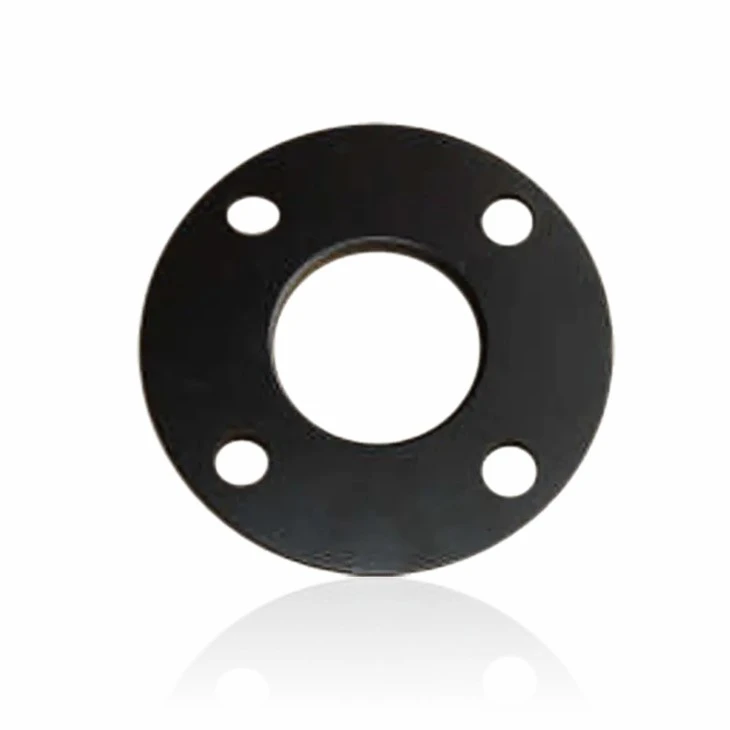
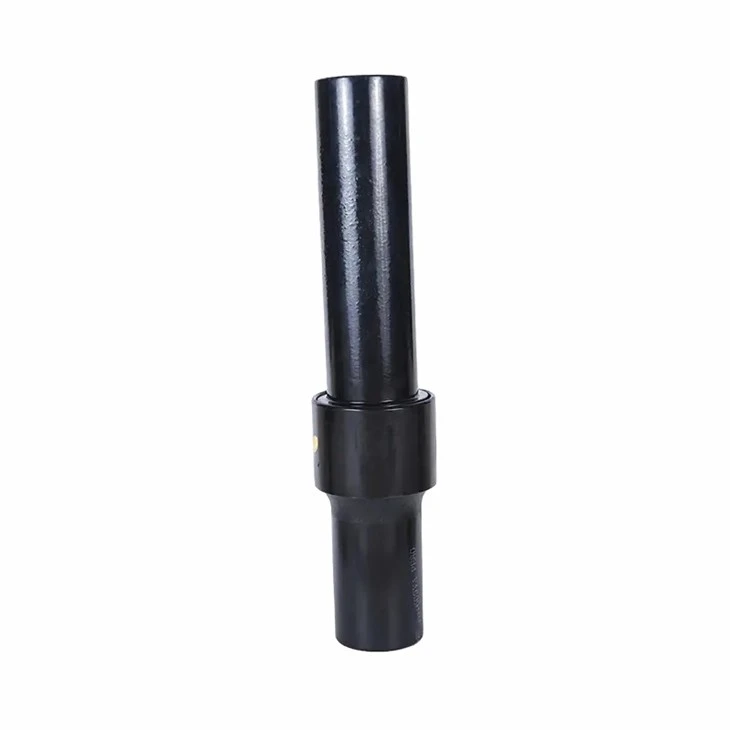
If you're in the market for high-quality steel-plastic joints, look no further! As a leading supplier of steel-plastic joints, we offer a wide range of products to meet your specific needs. Whether you need Carbon Steel Backing Flange, Steel 90 Elbow Adapter, Steel Threaded Transition Fitting, or Straight-type Steel-Plastic Transition Fitting, we've got you covered.
So, what are you waiting for? Contact us today to learn more about our products and services and to discuss your project requirements. We look forward to hearing from you!
References
- "Plumbing Handbook," National Association of Plumbing-Heating-Cooling Contractors
- "Pipe Fittings Manual," American Society of Mechanical Engineers
- Manufacturer's instructions for steel-plastic joints