

Can an Electrofusion Elbow 90 be used in a gas pipeline?
Oct 15, 2026
Hey there! As a supplier of Electrofusion Elbow 90, I often get asked this burning question: Can an Electrofusion Elbow 90 be used in a gas pipeline? Well, let's dive right into it and break it down.
First off, what exactly is an Electrofusion Elbow 90? It's basically a fitting used to change the direction of a pipeline by 90 degrees. The electrofusion part means it uses an electrical current to melt the fitting and the pipe together, creating a super - strong, leak - proof joint. This technology has been around for a while and has proven to be reliable in many different applications.
Now, when it comes to gas pipelines, safety is the name of the game. Gas is a volatile substance, and any leakage can lead to some pretty serious consequences, like fires, explosions, or even harm to people and the environment. So, we've got to make sure that any fitting we use in a gas pipeline meets all the necessary safety standards.
Most modern Electrofusion Elbow 90s are made from high - density polyethylene (HDPE). HDPE has some amazing properties that make it a great choice for gas pipelines. It's resistant to corrosion, which is a huge plus because gas pipelines are often buried underground where they're exposed to all sorts of corrosive elements in the soil. It's also flexible, which means it can withstand some ground movement without cracking or breaking.
However, just having the right material isn't enough. The Electrofusion Elbow 90 has to be designed and manufactured to meet specific standards for gas pipeline use. In many countries, there are strict regulations that govern the use of fittings in gas pipelines. For example, in the United States, the ASTM (American Society for Testing and Materials) and the API (American Petroleum Institute) have set standards for pipeline materials and fittings. In Europe, standards from the ISO (International Organization for Standardization) are commonly followed.
Our company makes sure that all our Electrofusion Elbow 90s are tested and certified to meet these international standards. We use state - of - the - art technology in our manufacturing process to ensure that each fitting is of the highest quality. This includes everything from carefully selecting the raw materials to performing rigorous quality control checks at every stage of production.
But it's not just about the physical properties of the fitting. The installation process is also crucial. When using an Electrofusion Elbow 90 in a gas pipeline, the installation has to be done exactly according to the manufacturer's instructions. This usually involves cleaning the pipe and the fitting surfaces, aligning them properly, and then using a specialized electrofusion welding machine to create the joint. If the installation is done incorrectly, it can lead to weak joints that are more likely to leak.

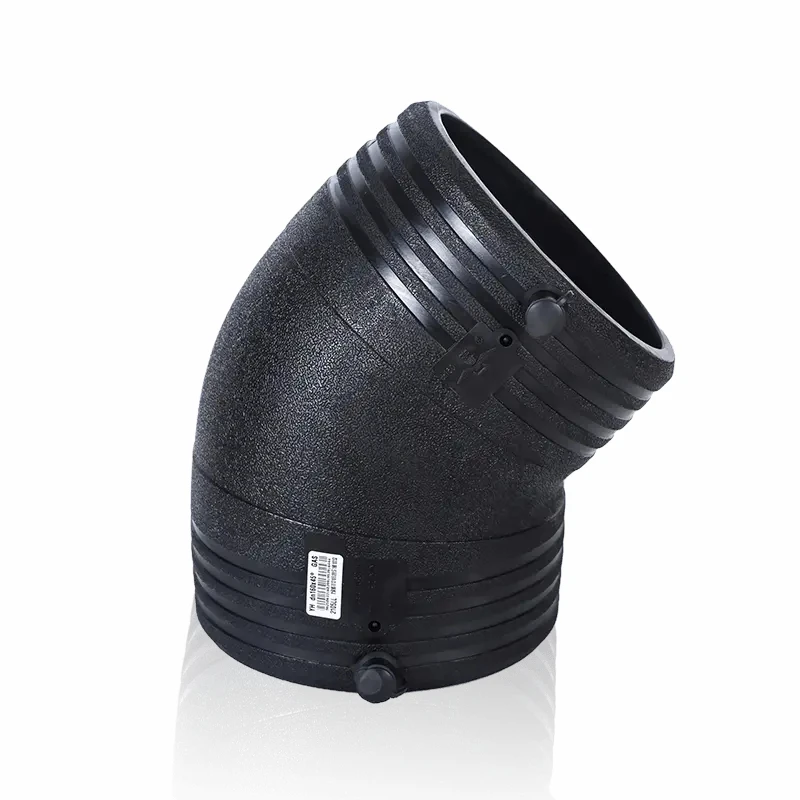
Now, let's talk about some of the other electrofusion fittings that are often used in gas pipelines along with the Electrofusion Elbow 90. You might also need an Electrofusion Reducing Tee which is used when you need to connect pipes of different diameters and also split the flow. An Electrofusion Transition Elbow is handy when you're transitioning between different types of pipes or materials. And for tapping into an existing pipeline, an Electrofusion Branch Saddle or an Electrofusion Service Saddle can be really useful. If you need a smaller angle change in the pipeline, an Electrofusion Elbow 45 is a great option.
One of the big advantages of using electrofusion fittings like the Electrofusion Elbow 90 in gas pipelines is the ease of installation compared to traditional welding methods. With electrofusion, you don't need a big welding setup or highly skilled welders. The process is more automated, which means it's faster and more consistent. This can save a lot of time and money during the pipeline construction or repair process.
Another thing to consider is the long - term cost. Although the initial cost of electrofusion fittings might be a bit higher than some other types of fittings, the long - term savings are significant. The reduced risk of leakage means less maintenance and repair work over the life of the pipeline. And since HDPE is so durable, you won't have to replace the fittings as often.
So, can an Electrofusion Elbow 90 be used in a gas pipeline? The answer is a definite yes, as long as it meets the necessary safety standards and is installed correctly. We're really confident in the quality of our Electrofusion Elbow 90s and other electrofusion fittings. We've seen them work great in many gas pipeline projects around the world.
If you're in the market for high - quality electrofusion fittings for your gas pipeline project, whether it's an Electrofusion Elbow 90 or any of the other fittings I mentioned, don't hesitate to get in touch. We're here to answer all your questions, provide you with the best products, and offer any support you might need during the installation process.
References
- ASTM International standards for pipeline materials and fittings
- API (American Petroleum Institute) guidelines for gas pipelines
- ISO (International Organization for Standardization) standards relevant to electrofusion fittings in gas pipelines