

How to repair a damaged PE water supply pipe?
Oct 16, 2026
Repairing a damaged PE water supply pipe is a crucial task that requires both knowledge and the right approach. As a reputable supplier of PE Water Supply Pipe, I understand the importance of maintaining the integrity of these pipes to ensure a continuous and safe water supply. In this blog post, I'll share comprehensive insights into how to effectively repair a damaged PE water supply pipe.
Understanding PE Water Supply Pipes
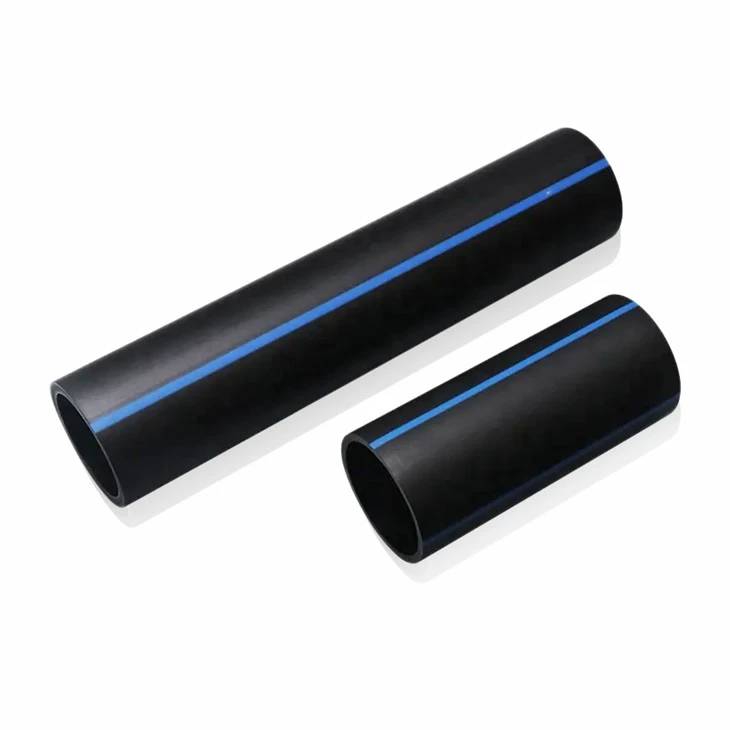
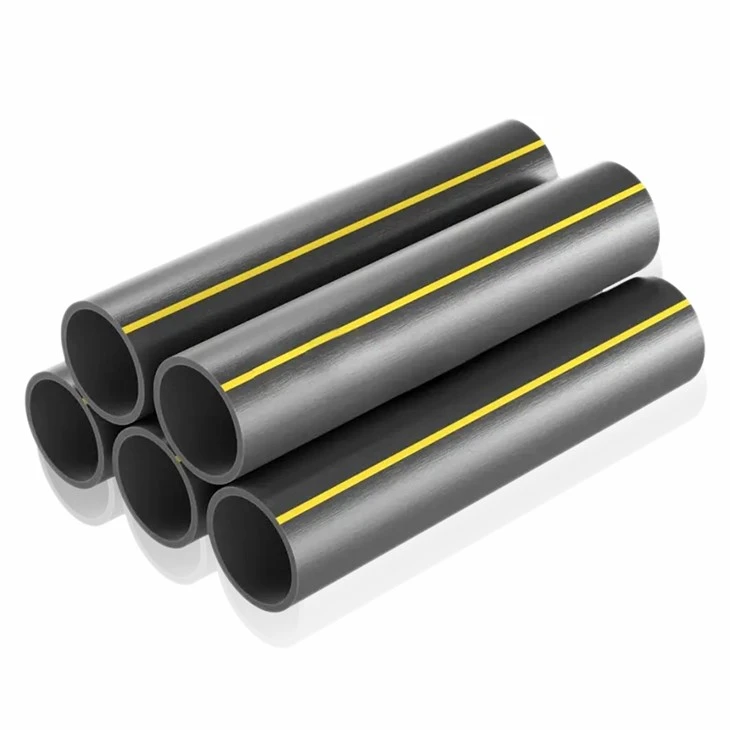
Before delving into the repair process, it's essential to understand the characteristics of PE water supply pipes. PE, or polyethylene, is a thermoplastic material known for its high durability, flexibility, and resistance to corrosion. These pipes are widely used for water supply systems due to their long - service life and low maintenance requirements. Buried PE Pipes are especially common, as they can withstand the pressure and environmental conditions underground.
Identifying the Damage
The first step in repairing a damaged PE water supply pipe is to accurately identify the location and extent of the damage. There are several signs that can indicate a problem in the pipe, such as water leakage, reduced water pressure, or the presence of wet spots on the ground above the buried pipe.
- Visual Inspection: If the pipe is exposed, visually check for cracks, holes, or splits. For buried pipes, look for tell - tale signs like pooling water or lush, overly green patches of grass, which may indicate an underground leak.
- Pressure Testing: Use a pressure gauge to test the water pressure in the system. A significant drop in pressure can be a strong indication of a leak in the pipe.
Tools and Materials Needed
Once the damage is identified, gather the necessary tools and materials for the repair. Here's a list of what you'll typically need:
- Pipe Cutter: To remove the damaged section of the pipe. Make sure to choose a cutter suitable for PE pipes.
- Pipe Joining Tools: Depending on the repair method, you may need butt fusion machines, electrofusion couplers, or mechanical couplings.
- Safety Equipment: Gloves, safety glasses, and protective clothing to ensure your safety during the repair process.
- Cleaning Materials: Such as a pipe cleaner or a cloth to clean the pipe surfaces before joining.
- Replacement Pipe Sections: Cut to the appropriate length to replace the damaged part.
Repair Methods
There are several methods for repairing a damaged PE water supply pipe, and the choice of method depends on the type and extent of the damage.
1. Pipe Patching
- This method is suitable for small holes or cracks. First, clean the damaged area thoroughly to remove any dirt, debris, or moisture. Then, apply a special PE pipe repair patch. The patch is usually made of a strong, flexible material that adheres well to the PE pipe. Press the patch firmly onto the damaged area, ensuring a tight seal.
2. Slip Coupling
A slip coupling is a good option for repairing a pipe with a small to medium - sized split. Cut the damaged section of the pipe out using a pipe cutter. Slide the slip coupling over one end of the undamaged pipe, then insert the other end of the undamaged pipe into the coupling. Make sure the coupling covers the entire cut section. Secure the coupling using the appropriate fastening method, such as clamps.
3. Butt Fusion
Butt fusion is a more permanent and reliable method for repairing larger damaged sections or when joining new pipe sections. This method involves heating the ends of the pipes to be joined using a butt fusion machine until the polyethylene becomes molten. Then, the two heated ends are quickly pressed together and held in place until they cool and fuse. This creates a seamless, leak - proof joint.
4. Electrofusion
Electrofusion is another advanced method, especially useful for joining pipes in difficult - to - reach areas. An electrofusion coupler is placed around the ends of the pipes to be joined. The coupler has built - in heating elements. An electrical current is applied to the coupler, which heats the polyethylene and fuses the pipes together.
Step - by - Step Repair Process
Let's take a look at a general step - by - step process for repairing a damaged PE water supply pipe using the butt fusion method:
- Shut Off the Water Supply: Before starting any repair work, turn off the water supply to the damaged section of the pipe to prevent water from flowing out during the repair.
- Prepare the Pipes: Clean the ends of the pipes to be joined using a pipe cleaner or a cloth. Make sure the surfaces are free from dirt, oil, and moisture. Mark the pipes to ensure proper alignment during fusion.
- Set up the Butt Fusion Machine: Follow the manufacturer's instructions to set up the machine. Adjust the temperature and pressure settings according to the type and diameter of the PE pipes.
- Heat the Pipes: Place the pipe ends in the heating element of the butt fusion machine. Allow the pipes to heat for the specified time.
- Join the Pipes: Once the pipes are heated to the appropriate temperature, quickly remove them from the heating element and press them together firmly. Hold the pipes in place until the fusion is complete and the joint cools.
- Inspect the Joint: After the joint has cooled, visually inspect it for any signs of unevenness or incomplete fusion. Check for leaks by slowly turning on the water supply and observing the repaired area.
Quality Control and Safety Considerations
During the repair process, it's crucial to maintain high - quality standards and ensure safety.
- Quality Control: Follow the manufacturer's specifications for pipe repair. Check the dimensions and alignment of the pipes before joining. Conduct pressure tests after the repair to ensure the integrity of the joint.
- Safety: Wear appropriate safety equipment at all times. Follow the safety guidelines for using the repair tools, especially those related to the butt fusion and electrofusion machines. Be cautious when working around water, as there is a risk of electric shock if using electrical tools.
Maintenance and Prevention
To minimize the occurrence of pipe damage in the future, regular maintenance is essential. Here are some preventive measures:
- Inspection: Conduct regular inspections of the PE water supply pipes, especially in areas prone to external damage or environmental stress.
- Proper Installation: Ensure that the pipes are installed correctly, with proper support and protection. Avoid sharp bends or kinks in the pipes during installation.
- Environmental Protection: Protect the pipes from extreme temperatures, chemicals, and physical impact. For buried pipes, ensure proper backfilling to prevent soil movement from damaging the pipes.
Conclusion
Repairing a damaged PE water supply pipe requires a systematic approach, the right tools, and a good understanding of the repair methods. As a PE Water Supply Pipe supplier, I am committed to providing high - quality pipes and supporting our customers with technical knowledge for pipe repair and maintenance. If you are facing any issues with your PE water supply pipes or are interested in purchasing our products, we encourage you to contact us for further discussion and procurement negotiation. Our team of experts is ready to assist you in finding the best solutions for your water supply needs.
References
- ASTM International. (Year). Standard specifications for PE water supply pipes.
- Manufacturer's manuals for PE pipe repair tools and equipment.
- Industry best practices for PE pipe installation and repair.