

What are the chemical stability properties of welded pipe fittings?
Jul 31, 2026
Chemical stability is a critical factor when it comes to welded pipe fittings. As a leading supplier of welded pipe fittings, I've witnessed firsthand how the chemical stability properties of these products can significantly impact their performance and longevity in various applications. In this blog, I'll delve into the key aspects of the chemical stability of welded pipe fittings, exploring what it means, why it matters, and how our products stack up in this regard.
Understanding Chemical Stability of Welded Pipe Fittings
Chemical stability refers to the ability of a material to resist chemical reactions under specific environmental conditions. For welded pipe fittings, this means maintaining their structural integrity and performance when exposed to various chemicals, such as acids, bases, solvents, and salts. Welded pipe fittings are used in a wide range of industries, including chemical processing, water treatment, oil and gas, and power generation, where they often come into contact with aggressive chemicals. Therefore, ensuring their chemical stability is crucial to prevent corrosion, degradation, and failure.
The chemical stability of welded pipe fittings depends on several factors, including the material composition, manufacturing process, heat treatment, and surface finish. Different materials have different levels of resistance to chemicals. For example, stainless steel is known for its excellent corrosion resistance due to the presence of chromium, which forms a passive oxide layer on the surface of the material. This layer acts as a barrier, preventing further oxidation and corrosion. Similarly, polyethylene (PE) is a popular choice for pipe fittings in chemical applications because of its high chemical resistance to a wide range of acids, bases, and salts.
Material Composition and Chemical Resistance
- Stainless Steel: As mentioned earlier, stainless steel is a widely used material for welded pipe fittings. It contains at least 10.5% chromium, which provides excellent corrosion resistance in many environments. There are different grades of stainless steel, each with its own unique chemical composition and properties. For example, 304 stainless steel is a general-purpose grade that offers good resistance to a variety of chemicals, including mild acids and alkalis. 316 stainless steel, on the other hand, contains molybdenum, which enhances its resistance to pitting and crevice corrosion in chloride-containing environments.
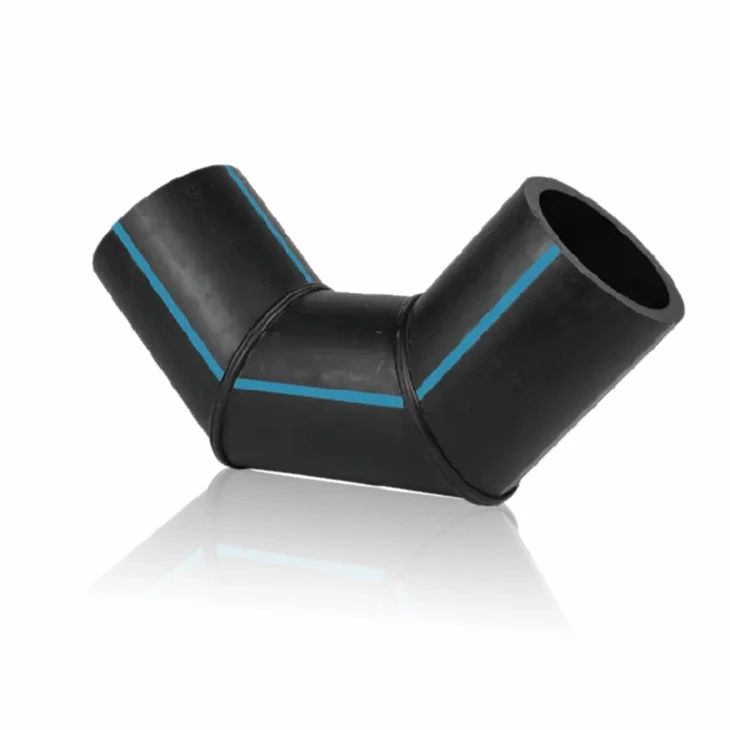
- Polyethylene (PE): PE is a thermoplastic polymer that is commonly used in the production of welded pipe fittings. There are different types of PE, such as PE 80 and PE 90, which have different density and molecular weight. PE 90 is a high-density polyethylene with improved mechanical and chemical properties. Fabricated PE 90 Elbow made from PE 90 offers excellent chemical resistance to a wide range of chemicals, including acids, bases, and salts. It is also resistant to stress cracking, making it suitable for long-term use in underground and above-ground applications.
- Other Materials: In addition to stainless steel and PE, other materials such as carbon steel, copper, and brass are also used in the manufacture of welded pipe fittings. Each material has its own advantages and limitations in terms of chemical resistance. For example, carbon steel is strong and durable but is susceptible to corrosion in the presence of moisture and oxygen. Copper and brass have good electrical and thermal conductivity but may be attacked by certain chemicals, such as ammonia and sulfur compounds.
Manufacturing Process and Chemical Stability
The manufacturing process of welded pipe fittings can also affect their chemical stability. Welding is a critical step in the production of pipe fittings, as it can introduce residual stresses and affect the microstructure of the material. Improper welding techniques can lead to defects such as porosity, cracks, and inconsistent weld quality, which can compromise the chemical stability of the fittings.
To ensure the chemical stability of our welded pipe fittings, we use advanced welding techniques and quality control measures. For example, we use automated welding machines to ensure consistent weld quality and minimize the risk of defects. We also perform non-destructive testing (NDT) on all our welded pipe fittings to detect any hidden defects and ensure they meet the required standards.
Heat Treatment and Its Impact on Chemical Stability
Heat treatment is another important factor that can affect the chemical stability of welded pipe fittings. Heat treatment can be used to relieve residual stresses, refine the microstructure, and improve the mechanical properties of the material. For example, annealing is a common heat treatment process that involves heating the material to a specific temperature and then slowly cooling it. This process can help to reduce residual stresses and improve the corrosion resistance of the material.
In our manufacturing process, we carefully control the heat treatment parameters to ensure the optimal chemical stability of our welded pipe fittings. We use advanced heat treatment equipment and techniques to ensure uniform heating and cooling, which helps to prevent the formation of cracks and other defects.
Surface Finish and Chemical Resistance
The surface finish of welded pipe fittings can also have a significant impact on their chemical resistance. A smooth and clean surface finish can reduce the adhesion of chemicals and prevent the formation of corrosion products. On the other hand, a rough or contaminated surface can provide a site for corrosion to initiate and propagate.
We pay close attention to the surface finish of our welded pipe fittings. We use advanced machining and polishing techniques to ensure a smooth and uniform surface finish. We also provide special surface treatments, such as passivation and coating, to enhance the chemical resistance of our products. For example, passivation is a process that involves treating the stainless steel surface with an acid solution to remove any iron particles and other contaminants and to form a passive oxide layer. This layer can provide additional protection against corrosion.
Importance of Chemical Stability in Different Applications
- Chemical Processing Industry: In the chemical processing industry, welded pipe fittings are used to transport a variety of chemicals, including acids, bases, and solvents. The chemical stability of these fittings is crucial to prevent corrosion and leakage, which can lead to environmental pollution, safety hazards, and production downtime. Our Fabricated PE Reducer and other PE-based pipe fittings are widely used in chemical processing plants due to their excellent chemical resistance.
- Water Treatment Industry: In the water treatment industry, welded pipe fittings are used to transport water and various chemicals used in the treatment process, such as chlorine, acids, and bases. The chemical stability of these fittings is essential to ensure the quality of the treated water and to prevent the growth of bacteria and other microorganisms. Our Heat Fusion Pipe and other PE-based pipe fittings are ideal for water treatment applications because of their high chemical resistance and smooth inner surface, which reduces the risk of biofilm formation.
- Oil and Gas Industry: In the oil and gas industry, welded pipe fittings are used in pipelines, refineries, and offshore platforms to transport oil, gas, and other hydrocarbons. The harsh operating conditions in this industry, including high temperatures, high pressures, and the presence of corrosive chemicals, require pipe fittings with excellent chemical stability. Our stainless steel pipe fittings are designed to meet the demanding requirements of the oil and gas industry, providing reliable performance and long service life.
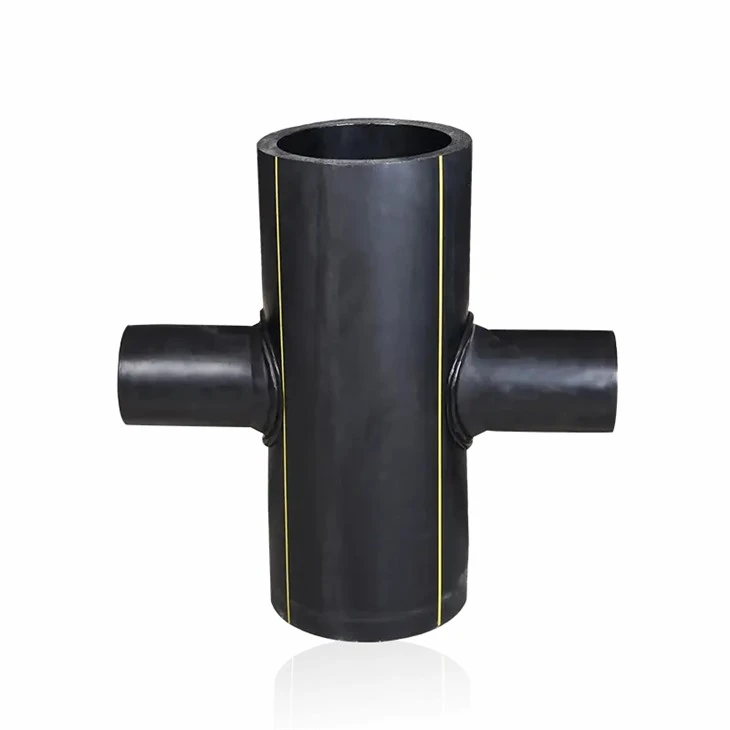
- Power Generation Industry: In the power generation industry, welded pipe fittings are used in boilers, condensers, and other equipment to transport water, steam, and chemicals. The chemical stability of these fittings is crucial to prevent corrosion and erosion, which can lead to equipment failure and reduced efficiency. Our 4 Way Cross Tee and other pipe fittings are carefully engineered to provide excellent chemical resistance and mechanical strength in power generation applications.
Our Commitment to Quality and Chemical Stability
As a supplier of welded pipe fittings, we are committed to providing our customers with high-quality products that offer excellent chemical stability. We use only the best materials and advanced manufacturing processes to ensure the reliability and performance of our products. Our products are tested and certified to meet the relevant international standards, such as ASTM, ISO, and DIN.
We also offer a wide range of Hdpe Fabricated Tee and other pipe fittings to meet the diverse needs of our customers. Whether you need pipe fittings for a small-scale project or a large industrial application, we have the expertise and resources to provide you with the right solution.
Contact Us for Your Welded Pipe Fittings Needs
If you are in the market for high-quality welded pipe fittings with excellent chemical stability, we would love to hear from you. Our team of experts can help you choose the right products for your specific application and provide you with competitive pricing and excellent customer service. Contact us today to discuss your requirements and start a partnership that will bring you reliable and cost-effective solutions.
References
- ASM Handbook, Volume 13A: Corrosion: Fundamentals, Testing, and Protection.
- Perry's Chemical Engineers' Handbook.
- Material Science and Engineering: An Introduction by William D. Callister, Jr. and David G. Rethwisch.