

What is the opening and closing torque of a PE Standard Ball Valve?
Aug 10, 2026
Hey there! As a supplier of PE Standard Ball Valves, I often get asked about the opening and closing torque of these valves. So, I thought I'd write a blog post to break it down and explain what it all means.
What is Torque?
First things first, let's talk about torque. Torque is basically a measure of the force that causes an object to rotate around an axis. In the context of a ball valve, it's the force you need to apply to turn the valve handle and open or close the valve.
Think of it like opening a jar. If the lid is really tight, you need to use more force (torque) to turn it and open the jar. Similarly, a ball valve with a higher opening and closing torque will require more force to operate.
Importance of Opening and Closing Torque in PE Standard Ball Valves
Understanding the opening and closing torque of a PE Standard Ball Valve is crucial for a few reasons.
For starters, it helps ensure the valve can be operated safely and effectively. If the torque required to open or close the valve is too high, it can be difficult for an operator to turn the handle. This can lead to operator fatigue, and in some cases, it might even prevent the valve from being fully opened or closed, which can affect the performance of the entire system.
On the other hand, if the torque is too low, the valve might not provide a proper seal when closed. This could result in leaks, which can be a big problem, especially in applications where the fluid being transported is hazardous or expensive.
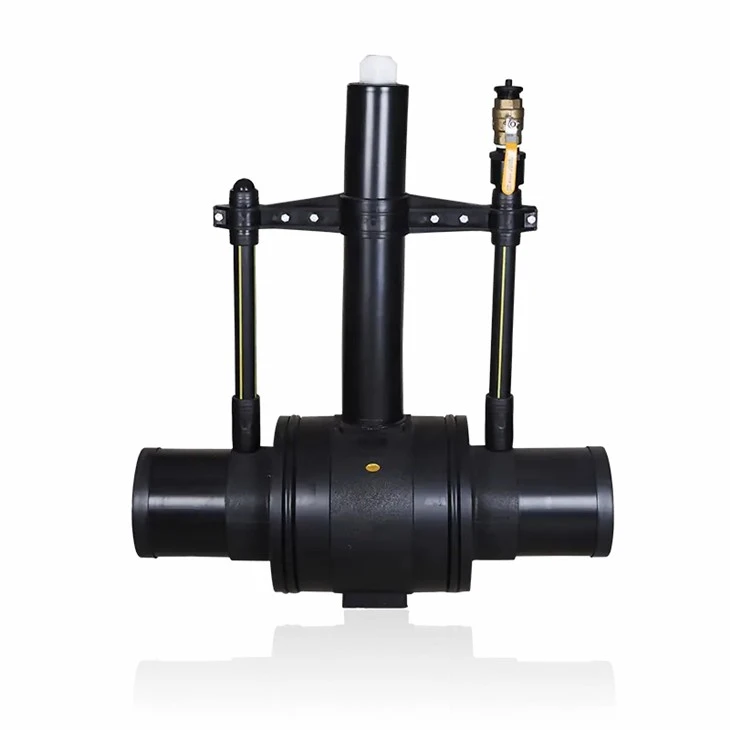
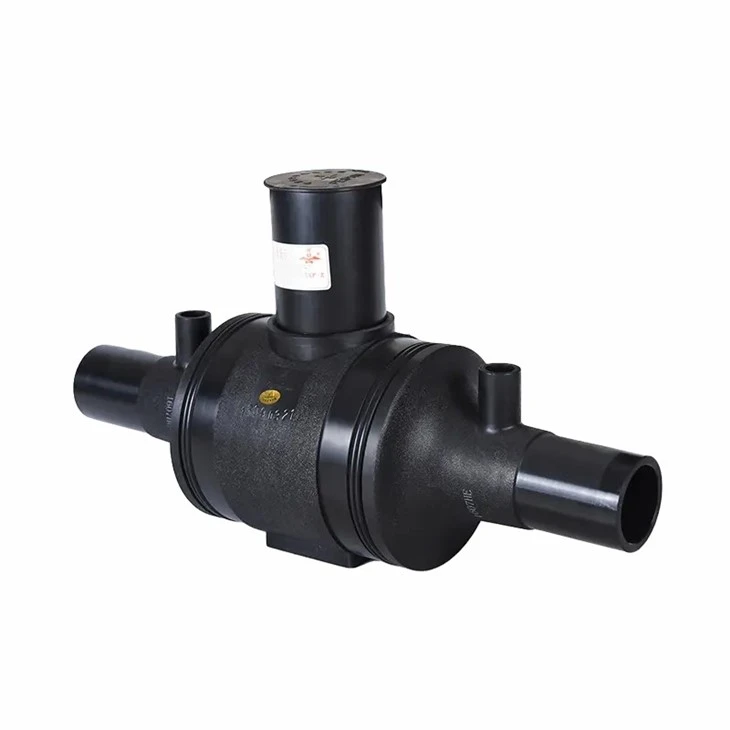
Factors Affecting the Opening and Closing Torque
There are several factors that can affect the opening and closing torque of a PE Standard Ball Valve.
Valve Size
One of the most obvious factors is the size of the valve. Generally speaking, larger valves tend to have higher opening and closing torques. This is because there's more surface area in contact with the fluid, and more force is required to move the ball inside the valve. For example, a 6-inch PE Standard Ball Valve will likely have a higher torque requirement than a 2-inch one.
Pressure
The pressure of the fluid flowing through the valve also plays a significant role. Higher pressures mean more force is acting against the ball inside the valve, making it harder to turn. So, if you're using a PE Standard Ball Valve in a high-pressure system, you can expect the opening and closing torque to be higher compared to a low-pressure system.
Sealing Material
The type of sealing material used in the valve can also impact the torque. Different sealing materials have different levels of friction. For instance, a valve with a soft sealing material might have a lower torque requirement because there's less friction between the ball and the seal. However, these soft seals might not be suitable for high-pressure or high-temperature applications.
Measuring the Opening and Closing Torque
Manufacturers usually conduct tests to determine the opening and closing torque of their PE Standard Ball Valves. These tests are done under specific conditions, such as a certain pressure and temperature. The results are then provided in the valve's technical specifications.
When measuring the torque, a torque wrench is typically used. The operator attaches the torque wrench to the valve handle and slowly turns it until the valve starts to open or close. The torque wrench measures the amount of force applied, and this value is recorded as the opening or closing torque.
How We Ensure Optimal Torque in Our PE Standard Ball Valves
As a supplier, we take several steps to ensure that our PE Standard Ball Valves have the right opening and closing torque.
First, we carefully select the materials for our valves. We use high-quality PE materials that are durable and have the right properties to provide a good seal with an acceptable level of friction. This helps keep the torque within a reasonable range.
We also conduct rigorous quality control checks during the manufacturing process. Our engineers use advanced testing equipment to measure the torque of each valve and make sure it meets the specified values. If a valve doesn't meet the standards, it goes through further adjustment or is rejected.
Other Types of PE Ball Valves and Their Torque Characteristics
In addition to PE Standard Ball Valves, we also offer other types of PE ball valves, each with its own unique torque characteristics.
PE Single Purge Ball Valve
The PE Single Purge Ball Valve is designed for applications where you need to purge the valve cavity. The opening and closing torque of this valve is generally similar to that of a standard ball valve of the same size. However, the purging mechanism might add a little bit of extra resistance, so the torque could be slightly higher.
PE Extended Stem Ball Valve
The PE Extended Stem Ball Valve is used in situations where you need to operate the valve from a distance. The extended stem can sometimes increase the leverage, which means the torque required to operate the valve might be lower compared to a standard valve. But this also depends on factors like the length of the stem and the pressure inside the valve.
PE Double Purge Ball Valve
The PE Double Purge Ball Valve has two purging mechanisms, which provides better isolation and security. Because of the additional components and the need to ensure a proper seal between the two purge chambers, the opening and closing torque of this valve can be higher than that of a single purge or standard ball valve.
Why Choose Our PE Standard Ball Valves?
When it comes to choosing a PE Standard Ball Valve, you want to make sure you're getting a high-quality product with the right torque characteristics. Here are a few reasons why you should consider buying from us:
- Quality Assurance: We have a strict quality control process in place to ensure that every valve we produce meets the highest standards. This includes testing the opening and closing torque to make sure it's within the specified range.
- Customization: We understand that different applications have different requirements. That's why we offer customization options for our PE Standard Ball Valves. We can adjust the valve size, sealing material, and other features to meet your specific needs and torque requirements.
- Expert Support: Our team of experts is always ready to help you. Whether you have questions about the opening and closing torque, or you need advice on choosing the right valve for your application, we're here to provide you with the information you need.
Connect with Us for Your PE Ball Valve Needs
If you're in the market for a PE Standard Ball Valve or any of our other PE ball valves, PE Single Purge Ball Valve, PE Extended Stem Ball Valve, or PE Double Purge Ball Valve, we'd love to hear from you. We can provide you with detailed product information, pricing, and any other support you might need. Don't hesitate to reach out and start a conversation about your valve requirements.
References
- Valve Handbook: A Guide to Valve Selection, Sizing, and Application
- PE Pipe and Fittings Technical Manual