

Can ball valves be used for high - pressure applications?
Aug 06, 2026
Hey there! As a ball valve supplier, I get asked a ton of questions about our products. One question that pops up quite often is, "Can ball valves be used for high - pressure applications?" Well, let's dive right into it and find out.
First off, what exactly are ball valves? A ball valve is a type of quarter - turn valve that uses a hollow, perforated, and pivoting ball to control the flow of a liquid or gas. When the ball's hole is in line with the flow path, the valve is open, allowing the medium to pass through. When the ball is rotated 90 degrees so that the hole is perpendicular to the flow path, the valve is closed, blocking the flow.
Now, back to the main topic. Can ball valves handle high - pressure situations? The short answer is yes, but it depends on several factors.
Design and Construction
One of the key factors is the design and construction of the ball valve. High - quality ball valves are built to withstand high pressures. For example, our PE Standard Ball Valve is designed with a robust structure. The valve body is made of high - grade materials that can resist the forces exerted by high - pressure fluids. The ball inside is precision - machined to ensure a tight seal, even under extreme pressure conditions.
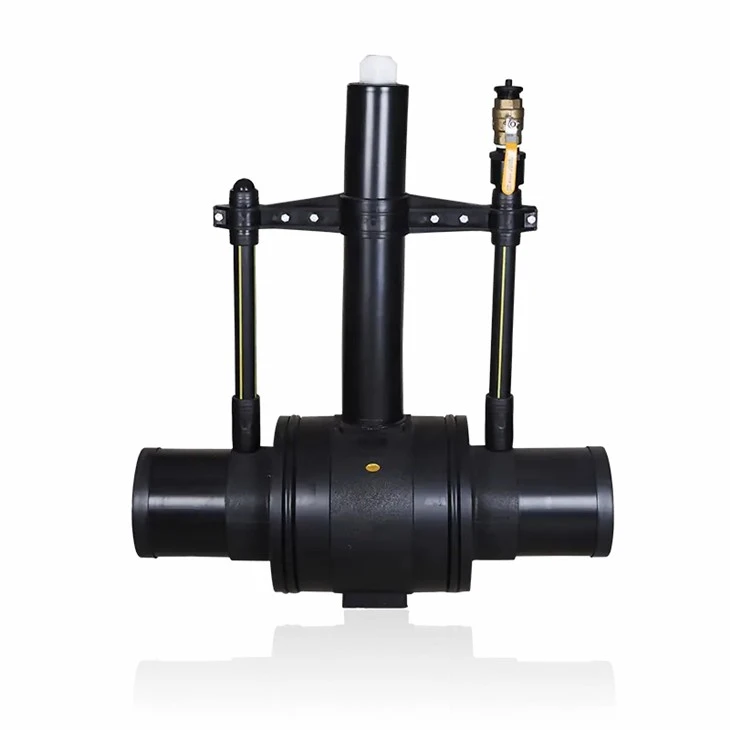
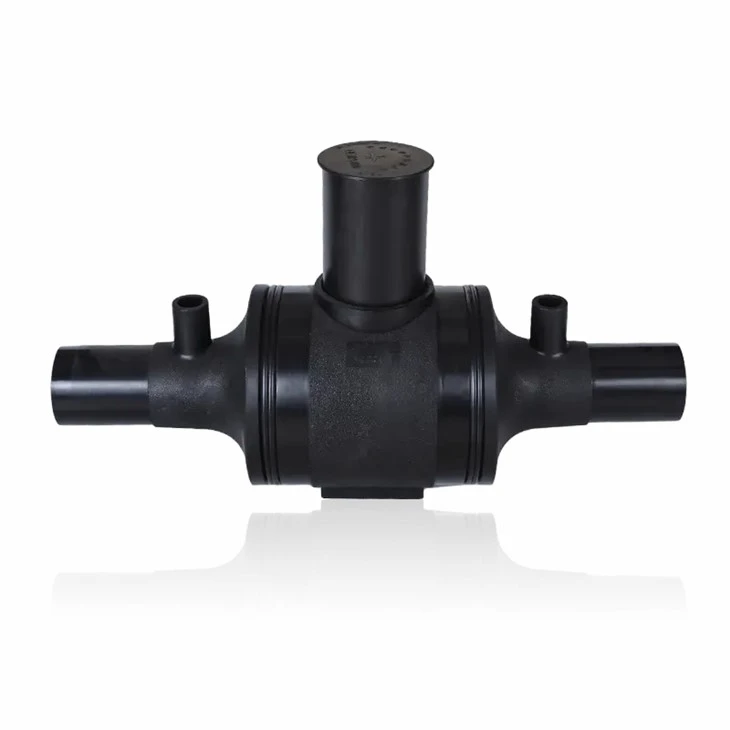
The seats of the ball valve also play a crucial role. In high - pressure applications, the seats need to be made of materials that can withstand the pressure without deforming. Our ball valves use special seat materials that are engineered to maintain their shape and sealing properties under high pressure. This ensures that there are no leaks, which is a big deal in high - pressure systems as even a small leak can lead to significant problems.
Material Selection
The materials used in the manufacturing of ball valves are vital for high - pressure applications. We use materials like stainless steel, brass, and other alloys that have excellent strength and corrosion resistance. Stainless steel is a popular choice because it can handle high pressures and is also resistant to rust and corrosion. This is especially important in industries where the fluid being transported may be corrosive, such as the chemical and oil industries.
For example, our PE Extended Stem Ball Valve is made from high - quality stainless steel. The extended stem design allows for easy operation in high - pressure and high - temperature environments. The stainless steel construction ensures that the valve can withstand the harsh conditions often found in high - pressure systems.
Pressure Ratings
Each ball valve has a pressure rating, which indicates the maximum pressure it can safely handle. It's super important to choose a ball valve with a pressure rating that exceeds the maximum operating pressure of your system. This gives you a safety margin and ensures the valve will function correctly over time.
If you try to use a ball valve with a pressure rating that's too low for your application, it can lead to valve failure. This could result in leaks, which can be dangerous and costly. On the other hand, if you choose a ball valve with a much higher pressure rating than you need, you might end up spending more money than necessary. So, it's all about finding that sweet spot.
Types of Ball Valves for High - Pressure
There are different types of ball valves that are well - suited for high - pressure applications.
- Floating Ball Valves: In a floating ball valve, the ball is not fixed but is allowed to float between the seats. When pressure is applied, the ball is pushed against the downstream seat, creating a tight seal. These valves are simple in design and work well in many high - pressure systems.
- Trunnion - Mounted Ball Valves: For extremely high - pressure applications, trunnion - mounted ball valves are a great choice. In this type of valve, the ball is held in place by a trunnion, which reduces the operating torque and allows the valve to handle very high pressures.
Our PE Double Purge Ball Valve and PE Single Purge Ball Valve are designed to meet the needs of high - pressure systems. The double or single purge function provides additional safety and reliability, making them suitable for critical high - pressure applications.
Advantages of Using Ball Valves in High - Pressure Applications
There are several advantages to using ball valves in high - pressure systems.
- Quick Operation: Ball valves are quarter - turn valves, which means they can be opened or closed quickly. This is very useful in high - pressure systems where rapid shut - off may be required in case of an emergency.
- Good Sealing: As mentioned earlier, ball valves can provide a tight seal even under high pressure. This helps prevent leaks and ensures the efficiency of the system.
- Low Maintenance: Ball valves have a relatively simple design, which means they require less maintenance compared to some other types of valves. This can save you time and money in the long run.
Considerations Before Using Ball Valves in High - Pressure
Before you decide to use ball valves in your high - pressure application, there are a few things you need to consider.
- Fluid Compatibility: Make sure the fluid you're transporting is compatible with the materials of the ball valve. Some fluids may react with certain materials, causing corrosion or other damage.
- Temperature: High - pressure systems often operate at high temperatures. You need to choose a ball valve that can handle the temperature range of your system.
- System Requirements: Consider the overall requirements of your system, such as flow rate and pressure fluctuations. This will help you choose the right type and size of ball valve.
In conclusion, ball valves can definitely be used for high - pressure applications. With the right design, material selection, and pressure rating, they can provide reliable and efficient performance in high - pressure systems.
If you're in the market for ball valves for your high - pressure application, we're here to help. We've got a wide range of ball valves to suit different needs, and our team of experts can assist you in choosing the right valve for your system. So, don't hesitate to reach out to us for more information and to start a procurement discussion.
References
- Valve Handbook: A Guide to Valve Selection and Application
- Industrial Valve Standards and Best Practices
- High - Pressure Fluid Systems: Design and Operation