

Are steel - plastic joints environmentally friendly?
Aug 05, 2026
Are steel - plastic joints environmentally friendly?
As a supplier of steel - plastic joints, I've often encountered questions regarding the environmental friendliness of these products. In this blog, I aim to delve into this topic and provide a comprehensive analysis.
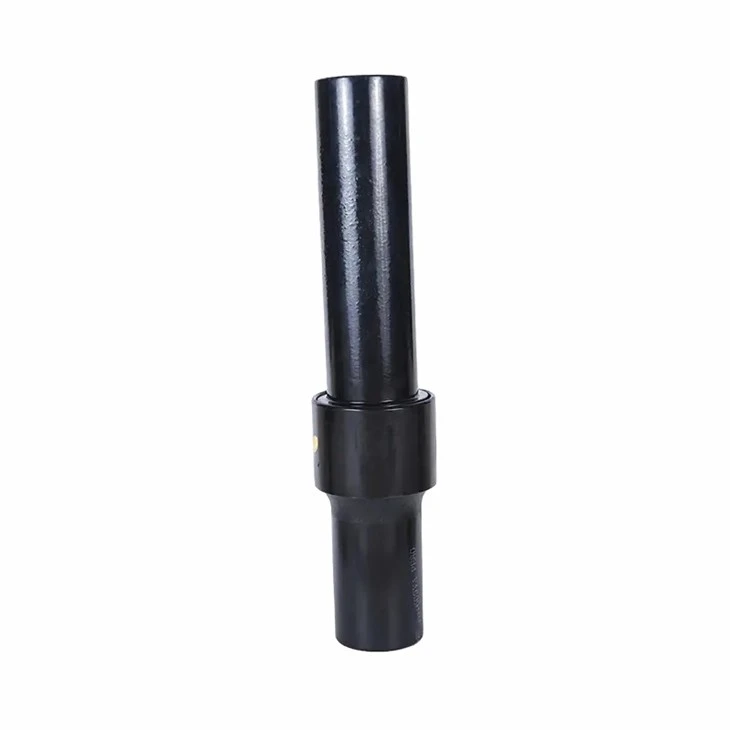
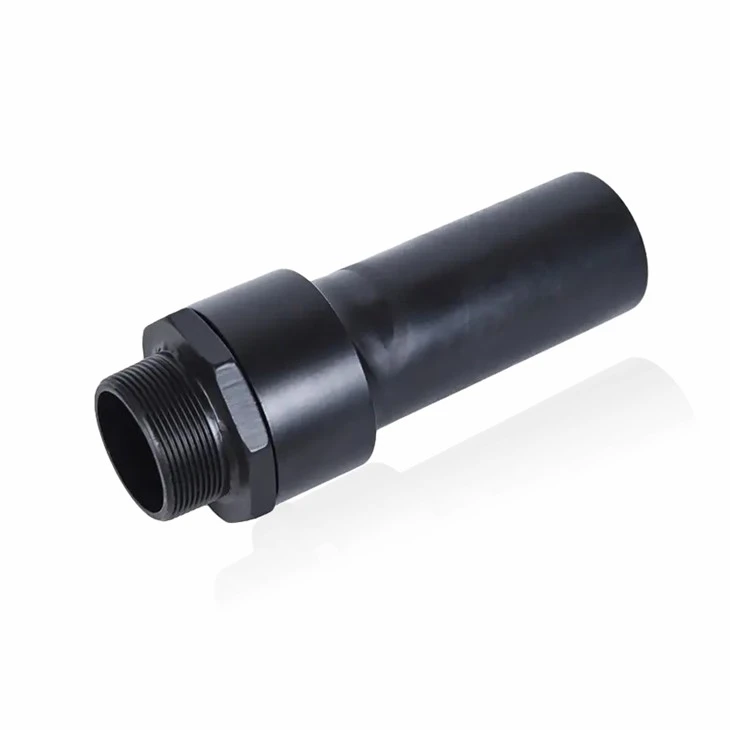
Steel - plastic joints, also known as steel - plastic transition fittings, are widely used in various industries, including plumbing, construction, and industrial piping systems. They combine the strength and durability of steel with the corrosion resistance and flexibility of plastic, offering a reliable solution for connecting steel and plastic pipes.
Let's first take a look at the materials used in steel - plastic joints. Steel is a well - known and widely used material. It is strong, has a long service life, and can be recycled. Recycling steel requires significantly less energy compared to producing new steel from raw materials. According to the World Steel Association, recycling steel saves about 75% of the energy needed to make steel from iron ore. This means that when steel components of steel - plastic joints reach the end of their useful life, they can be recycled and reused, reducing the demand for virgin steel and minimizing the environmental impact associated with steel production.
On the other hand, plastic used in these joints also has its own environmental characteristics. Many plastics used in steel - plastic joints are thermoplastics, such as polyethylene (PE) and polyvinyl chloride (PVC). Thermoplastics can be melted and re - formed multiple times, which makes them recyclable. However, the recycling rate of plastics varies depending on the type of plastic and the local recycling infrastructure. For example, high - density polyethylene (HDPE), a common plastic used in piping systems, has a relatively high recycling rate in some regions.
One of the key environmental benefits of steel - plastic joints is their ability to prevent corrosion. Corrosion of pipes can lead to leaks, which not only waste water but also contaminate the surrounding environment. Steel - plastic joints with their plastic linings or coatings can effectively protect the steel from corrosion, extending the service life of the piping system and reducing the need for frequent replacements. This results in less waste generation and lower resource consumption over the long term.
In addition, the installation process of steel - plastic joints can also have an impact on the environment. Compared to traditional welding methods used for steel pipes, the installation of steel - plastic joints is often simpler and requires less energy. For instance, some steel - plastic joints can be installed using mechanical connections, which do not involve high - temperature welding processes. This reduces the energy consumption and emissions associated with the installation process.
Now, let's introduce some of our products. We offer a variety of steel - plastic joints, such as the Straight - type Steel - Plastic Transition Fitting. This fitting is designed to provide a smooth and reliable connection between steel and plastic pipes. It is made with high - quality materials and has excellent corrosion resistance, ensuring a long service life.
Our Carbon Steel Backing Flange is another important product. It is used in conjunction with steel - plastic joints to provide additional support and stability. The carbon steel used in this flange is strong and can be recycled, contributing to the overall environmental friendliness of the product.
The Steel 90 Elbow Adapter is designed for applications where a 90 - degree turn is required in the piping system. It combines the strength of steel with the flexibility of plastic, allowing for easy installation and a secure connection.
And our Steel Threaded Transition Fitting is suitable for applications where a threaded connection is needed. It provides a reliable and leak - proof connection between steel and plastic pipes.
However, it's important to note that there are also some potential environmental challenges associated with steel - plastic joints. The production of plastics can involve the use of fossil fuels and the release of greenhouse gases. In addition, if the plastic components are not properly recycled, they can end up in landfills or the environment, causing pollution.
To address these challenges, we are committed to promoting sustainable practices in our production and supply chain. We source materials from suppliers who adhere to strict environmental standards. We also encourage our customers to recycle our products at the end of their useful life.
In conclusion, steel - plastic joints have both environmental benefits and challenges. Their ability to prevent corrosion, their recyclability, and the relatively low - energy installation process make them a more environmentally friendly option compared to some traditional piping solutions. However, to fully realize their environmental potential, it is necessary to ensure proper recycling and sustainable production practices.
If you are interested in our steel - plastic joint products and would like to discuss a potential purchase, please feel free to reach out to us. We are always ready to provide you with more information and offer the best solutions for your projects.
References
- World Steel Association. "Benefits of Recycling Steel."
- Plastic Recycling Association. "Recycling Rates of Different Plastics."