

Can I weld Heat Fusion Pipe myself?
Sep 03, 2026
Can I weld Heat Fusion Pipe myself?
As a supplier of Heat Fusion Pipe, I often get asked by customers whether they can weld the heat fusion pipes themselves. This is a valid question, and in this blog, I'll explore the ins and outs of self - welding heat fusion pipes, including the technical aspects, safety considerations, and when it might be appropriate or not.
Understanding Heat Fusion Pipe
First, let's briefly understand what heat fusion pipe is. Heat fusion pipes, such as those available on our website Heat Fusion Pipe, are typically made of polyethylene (PE). The heat fusion process involves heating the pipe ends to a specific temperature and then joining them under pressure. This creates a strong, leak - free joint that is often as strong as or stronger than the pipe itself.
Technical Requirements for Heat Fusion Welding
Welding heat fusion pipes requires a certain level of technical knowledge and skills. The process involves several steps:
Preparation
The pipe ends must be cleaned thoroughly to remove any dirt, debris, or contaminants. Any oxidation on the surface can affect the quality of the weld. A pipe scraper or other appropriate tools are used to remove a thin layer of the pipe surface to expose a clean, fresh layer of material.
Heating
The pipe ends are heated using a heat fusion welding machine. The temperature settings are critical and vary depending on the pipe material and size. For example, for standard PE pipes, the heating temperature is usually around 200 - 220 degrees Celsius. Maintaining the correct temperature is crucial for creating a proper weld. If the temperature is too low, the joint may not fuse properly, leading to a weak connection. If it's too high, the pipe material can degrade, also reducing the strength of the joint.
Joining
Once the pipe ends reach the correct temperature, they are quickly pressed together under a specific pressure. The pressure ensures that the molten materials merge and form a seamless joint. The pressure and the holding time are also carefully controlled according to the pipe specifications.
Potential Dangers of Self - Welding
Self - welding heat fusion pipes can be dangerous if not done correctly.
Thermal Hazards
The heating process exposes the user to high temperatures. There is a risk of burns if proper safety equipment such as heat - resistant gloves and protective clothing is not worn. The heat from the welding machine can also cause fires if the work area is cluttered with flammable materials.
Structural Integrity
A poorly welded joint can lead to pipe failures. If the pipe is used in a pressurized system, such as a water supply or a gas distribution network, a weak weld can cause leaks. Gas leaks can be extremely dangerous, posing risks of explosion or asphyxiation. Water leaks can cause damage to the surrounding infrastructure and may result in costly repairs.
When Self - Welding is Appropriate
Self - welding may be appropriate in some situations:
Small - Scale Projects
For small - scale DIY projects around the home, such as a simple irrigation system in a garden, self - welding can be a cost - effective solution. As long as the user is willing to learn the proper techniques and follow safety guidelines, it can be a viable option.
Knowledgeable Individuals
Those with prior experience in welding or plumbing may have the skills necessary to perform heat fusion welding correctly. They understand the importance of precise temperature control, pressure application, and proper surface preparation.
When to Seek Professional Help
However, there are many situations where professional help is strongly recommended:
Large - Scale Commercial Projects
In commercial or industrial settings, where large - diameter pipes are used, and the systems are more complex, professional welders with experience in heat fusion welding should be hired. They have the equipment and expertise to handle high - volume and high - pressure systems.
High - Risk Applications
For applications where the consequences of a pipe failure are severe, such as in medical gas systems or chemical pipelines, professional installation is a must. These systems require strict compliance with safety standards and regulations.
Our Product Range to Support Your Projects
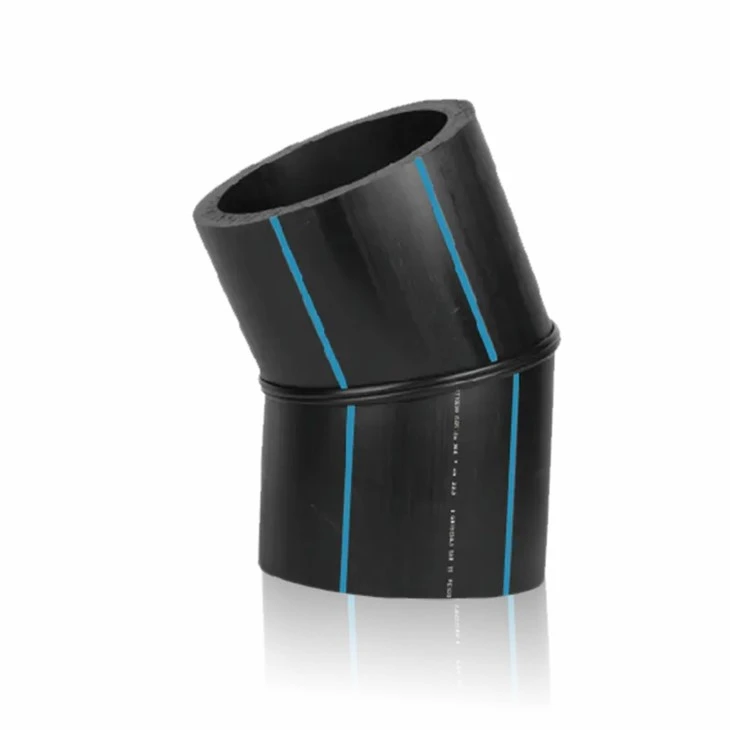
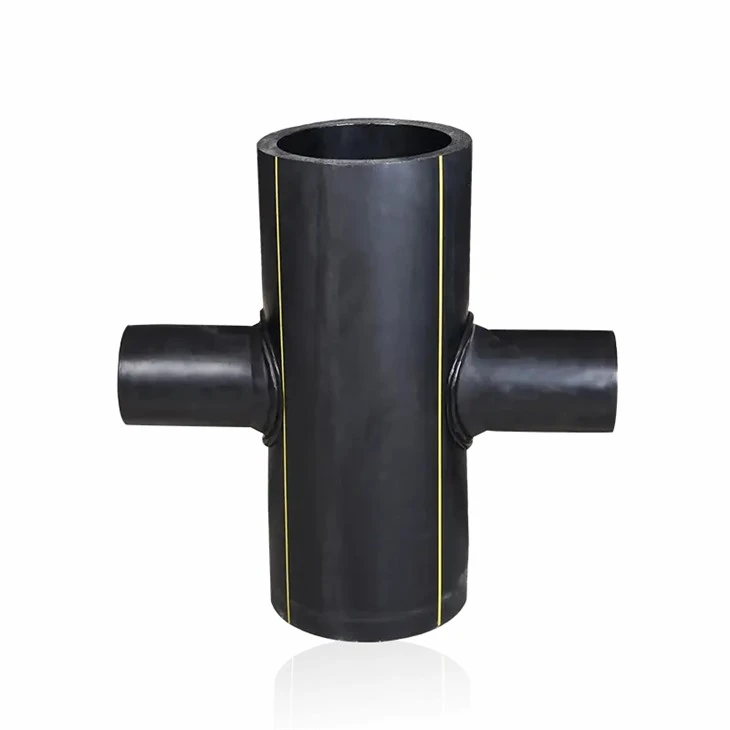
As a Heat Fusion Pipe supplier, we offer a wide range of products to meet your needs. In addition to the heat fusion pipes, we also have various pipe fittings. You can find Fabricated PE 22.5 Elbow, 4 Way Cross Tee, Fabricated PE 45 Elbow, and Fabricated PE 90 Elbow on our website. These fittings are designed to work seamlessly with our heat fusion pipes, ensuring a reliable and efficient piping system.
Conclusion and Call to Action
In conclusion, while it is possible to weld heat fusion pipes yourself, it requires a good understanding of the technical process and strict adherence to safety measures. For most complex projects or those with high - risk factors, it is advisable to hire a professional.
If you are considering a project involving heat fusion pipes, whether you plan to do the welding yourself or hire a professional, we are here to support you. Our high - quality products and expert knowledge can help ensure the success of your project. Contact us to discuss your specific requirements and start your piping project on the right foot.
References
- ASTM International standards for polyethylene pipe welding.
- industry - specific handbooks on heat fusion pipe installation and maintenance.