

How to handle old steel - plastic joints?
Sep 02, 2026
Handling old steel - plastic joints is a crucial aspect of sustainable business operations, especially for a supplier like us in the steel - plastic joint industry. In this blog, we'll delve into various strategies and best practices for dealing with old steel - plastic joints, considering both environmental and economic factors.
Understanding the Nature of Steel - Plastic Joints
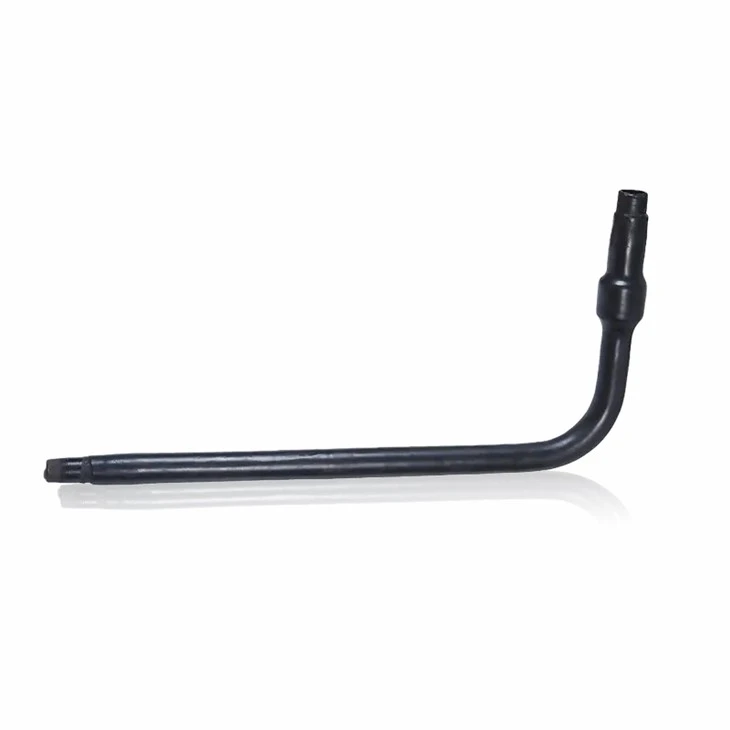
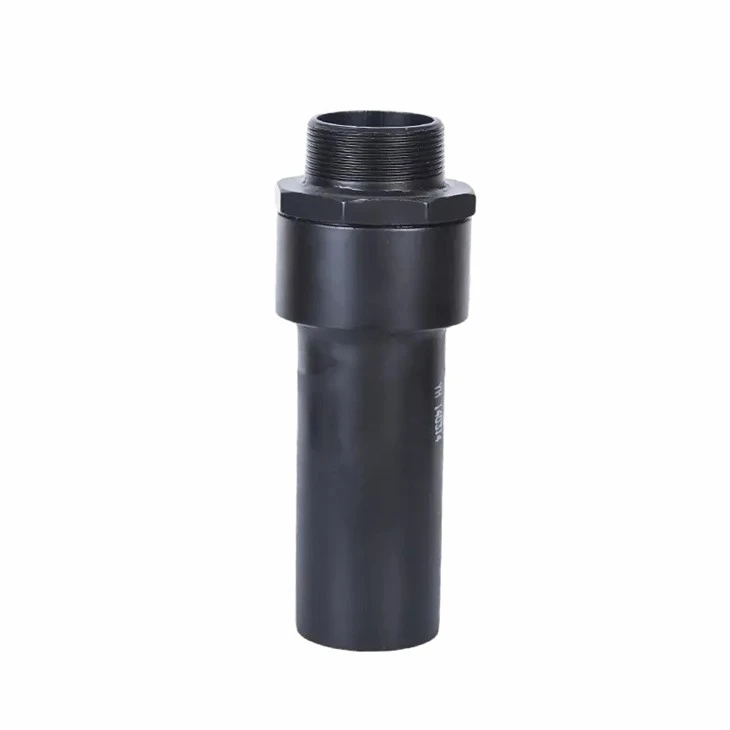
Before we discuss how to handle old steel - plastic joints, it's essential to understand their composition. Steel - plastic joints combine the strength and durability of steel with the corrosion resistance and flexibility of plastic. They are widely used in various industries, including plumbing, construction, and chemical processing. Our company offers a range of steel - plastic joints, such as the Steel 90 Elbow Adapter, Straight - type Steel - Plastic Transition Fitting, Steel Threaded Transition Fitting, and Carbon Steel Backing Flange.
Reasons for Handling Old Steel - Plastic Joints
There are several reasons why proper handling of old steel - plastic joints is necessary. Firstly, from an environmental perspective, improper disposal can lead to pollution. Steel and plastic take a long time to decompose in landfills, and the release of certain chemicals from the plastic component can contaminate soil and water sources. Secondly, from an economic point of view, old joints can often be recycled or reconditioned, which can save costs on raw materials and manufacturing.
Assessment of Old Steel - Plastic Joints
The first step in handling old steel - plastic joints is to conduct a thorough assessment. This involves inspecting the joints for damage, wear, and deterioration. There are a few key factors to consider:
- Physical Damage: Look for cracks, dents, or other signs of mechanical damage. Joints with severe physical damage may not be suitable for reuse and need to be recycled.
- Corrosion: Steel components are prone to corrosion, especially in wet or corrosive environments. assess the extent of corrosion and determine whether it can be removed or if it has severely weakened the joint.
- Plastic Degradation: Plastic can degrade over time due to exposure to sunlight, chemicals, or high temperatures. Check for signs of brittleness, discoloration, or cracking in the plastic part.
Recycling Old Steel - Plastic Joints
Recycling is one of the most effective ways to handle old steel - plastic joints. The process typically involves the following steps:
- Separation: The first step in recycling is to separate the steel and plastic components. This can be done through mechanical methods, such as shredding and sorting, or chemical processes, depending on the type of joint and the materials used.
- Steel Recycling: The separated steel can be melted down and reused in the production of new steel products. Steel recycling is a well - established industry, and it requires less energy compared to producing steel from raw materials.
- Plastic Recycling: The plastic component also has recycling potential. However, different types of plastics require different recycling methods. For example, thermoplastics can often be melted and reformed, while thermosetting plastics may need more specialized treatment.
Reconditioning and Reusing Old Steel - Plastic Joints
In some cases, old steel - plastic joints can be reconditioned and reused. This is a cost - effective and environmentally friendly option, especially for joints that are only mildly damaged.
- Cleaning: The first step in reconditioning is to clean the joints thoroughly. This can involve removing dirt, debris, and any corrosion or contaminants from the surface.
- Repair: Minor damage, such as small cracks or dents, can often be repaired. For steel components, welding or patching may be used. For plastic parts, adhesives or heat - welding techniques can be employed.
- Testing: After reconditioning, the joints should be tested to ensure they meet the required quality and performance standards. This may involve pressure testing, leak testing, or other relevant tests.
Disposal of Non - Recyclable Old Steel - Plastic Joints
Despite our best efforts to recycle and reuse, there may still be some old steel - plastic joints that are not suitable for these processes. In such cases, proper disposal is essential to minimize environmental impact. It is recommended to follow local regulations and guidelines for waste disposal. This may involve sending the joints to a specialized waste treatment facility that can handle these types of materials safely.
Importance of Sustainable Practices
As a steel - plastic joint supplier, we recognize the importance of promoting sustainable practices. By effectively handling old steel - plastic joints, we can reduce our environmental footprint, conserve natural resources, and contribute to a circular economy. Moreover, sustainable practices can also enhance our reputation in the market and attract environmentally - conscious customers.
Collaboration with Customers
We encourage our customers to play an active role in handling old steel - plastic joints. We can provide guidance and support on assessment, recycling, and reconditioning processes. Additionally, we are open to establishing take - back programs, where customers can return their old joints to us for proper handling.
Contact for Purchasing and Discussion
If you are interested in our steel - plastic joints or have any questions about handling old joints, we invite you to contact us for further discussion. We look forward to establishing long - term partnerships with you and working together to promote sustainable development in the industry.
References
- Materials Science and Engineering: An Introduction by William D. Callister Jr. and David G. Rethwisch
- Handbook of Plastic Recycling by Steven M. Alpert