

Can a Butt Fusion Reducing Tee be used in solar water heating systems?
Sep 04, 2026
As a dedicated supplier of Butt Fusion Reducing Tees, I've often been asked about the potential uses of our products in various systems. One particularly interesting question revolves around their applicability in solar water heating systems. In this blog, we'll explore whether a Butt Fusion Reducing Tee can be used in solar water heating systems, considering the technical aspects, advantages, and potential challenges.
Understanding Solar Water Heating Systems
Solar water heating systems are designed to harness the sun's energy to heat water for domestic or commercial use. These systems typically consist of solar collectors, a storage tank, pipes, and a circulation pump. The solar collectors absorb sunlight and transfer the heat to a fluid, usually water or a mixture of water and antifreeze, which is then circulated through the system to the storage tank.
The pipes in a solar water heating system play a crucial role in transporting the heated fluid. They need to be able to withstand high temperatures, pressure, and the corrosive effects of water and antifreeze. Additionally, the pipes must be connected securely to prevent leaks and ensure efficient operation of the system.
What is a Butt Fusion Reducing Tee?
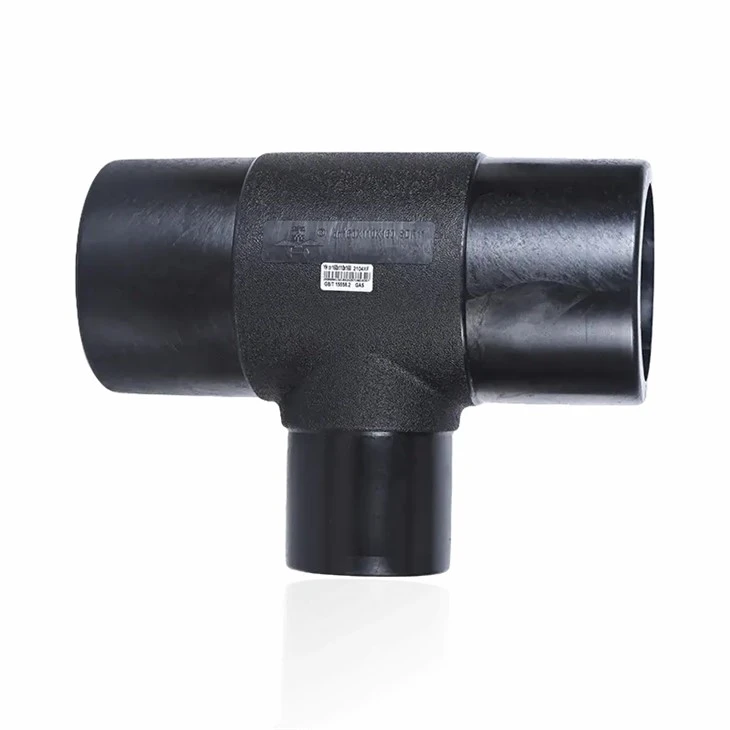
A Butt Fusion Reducing Tee is a type of pipe fitting used in high - density polyethylene (HDPE) piping systems. It is called a "reducing tee" because it has three openings, with one of the branch openings having a smaller diameter than the main run. The "butt fusion" refers to the method of joining the fitting to the pipes, where the ends of the pipes and the fitting are heated and then pressed together to form a strong, seamless bond.
Butt Fusion Reducing Tees are known for their durability, chemical resistance, and high - strength joints. They are commonly used in water supply, drainage, and industrial piping systems. But can they be a good fit for solar water heating systems?
Technical Suitability for Solar Water Heating Systems
Temperature Resistance
One of the primary concerns in solar water heating systems is the temperature of the fluid. The water or antifreeze mixture can reach relatively high temperatures, especially in direct - gain systems. HDPE, the material used in Butt Fusion Reducing Tees, has a good temperature resistance. Most standard HDPE pipes and fittings can withstand temperatures up to around 60 - 80°C (140 - 176°F) without significant degradation. However, in some high - performance solar water heating systems, the temperatures can exceed this range. In such cases, special grades of HDPE or other materials might be required.
Pressure Resistance
Solar water heating systems are also subject to pressure variations due to the circulation of the fluid and thermal expansion. Butt Fusion Reducing Tees are designed to handle a certain amount of pressure. The pressure rating depends on the wall thickness and the grade of the HDPE used. For typical solar water heating systems, which usually operate at relatively low to moderate pressures, standard Butt Fusion Reducing Tees can provide adequate pressure resistance.
Chemical Compatibility
The fluid used in solar water heating systems, whether it's plain water or a mixture with antifreeze, should be compatible with the material of the pipe fittings. HDPE is highly resistant to a wide range of chemicals, including most common water treatment chemicals and antifreeze agents. This makes Butt Fusion Reducing Tees a suitable choice in terms of chemical compatibility.
Durability and Longevity
Solar water heating systems are expected to have a long lifespan. HDPE is a durable material that is resistant to corrosion, abrasion, and UV radiation. These properties contribute to the long - term performance of Butt Fusion Reducing Tees in solar water heating systems. The butt fusion joint method also ensures a strong and leak - free connection, which is essential for the reliable operation of the system over time.
Advantages of Using Butt Fusion Reducing Tees in Solar Water Heating Systems
Easy Installation
Butt fusion is a relatively straightforward joining method. With the right equipment, the installation of Butt Fusion Reducing Tees in a solar water heating system can be completed quickly and efficiently. This reduces the installation time and labor costs, making it an attractive option for both installers and end - users.
Cost - Effectiveness
Compared to some other types of pipe fittings, Butt Fusion Reducing Tees made of HDPE are generally more cost - effective. The material is less expensive than metals such as copper or stainless steel, and the installation process is also less costly. This can result in significant savings in the overall cost of the solar water heating system.
Flexibility in System Design
The availability of different sizes and configurations of Butt Fusion Reducing Tees allows for greater flexibility in the design of the solar water heating system. They can be used to connect pipes of different diameters, create branches, and adapt to the specific layout requirements of the installation.
Potential Challenges
Limited High - Temperature Performance
As mentioned earlier, the temperature resistance of standard HDPE Butt Fusion Reducing Tees may be a limitation in some high - performance solar water heating systems. In such cases, alternative materials or special high - temperature grades of HDPE may need to be considered.
UV Degradation (if exposed)
Although HDPE has some resistance to UV radiation, prolonged exposure to sunlight can cause degradation of the material. In solar water heating systems, if the pipes and fittings are installed outdoors and not properly protected, UV damage may occur over time. This can be mitigated by using UV - stabilized HDPE or providing appropriate insulation and protection.
Related HDPE Pipe Fittings
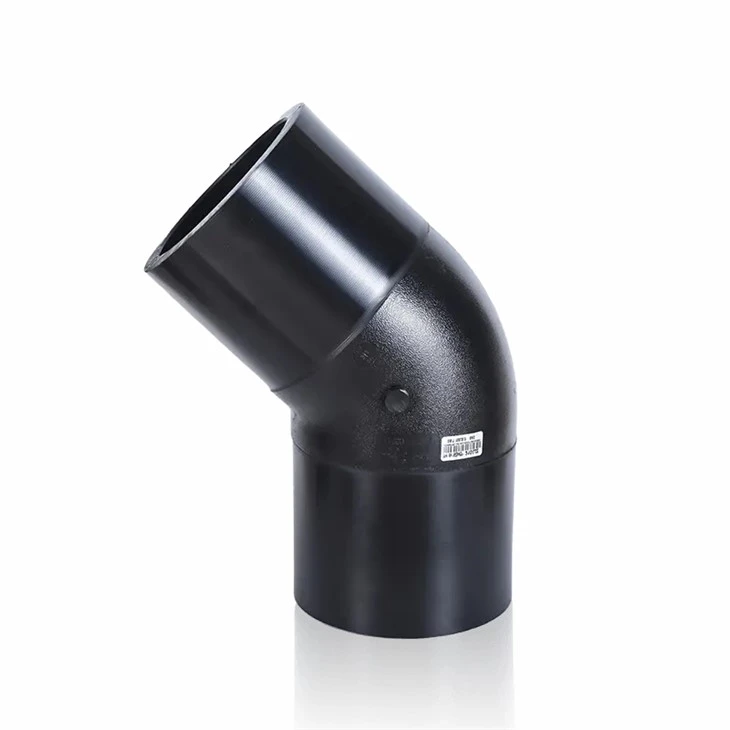
In addition to Butt Fusion Reducing Tees, there are other HDPE pipe fittings that can be used in solar water heating systems. For example, the HDPE Injection Molded Flange Adaptor can be used to connect HDPE pipes to other types of equipment or pipes with flange connections. The Butt Fusion 45 Elbow and Butt Fusion 90 Elbow are useful for changing the direction of the pipes, while the HDPE Injection Molded Reducer can be used to connect pipes of different diameters in a more straightforward way than a reducing tee in some cases. The Butt Fusion Equal Tee is suitable for creating branches where all the pipe diameters are the same.
Conclusion
In conclusion, Butt Fusion Reducing Tees can be a viable option for use in solar water heating systems, especially in systems with moderate temperature and pressure requirements. Their technical properties, such as temperature and pressure resistance, chemical compatibility, and durability, make them suitable for many applications. The advantages of easy installation, cost - effectiveness, and flexibility in system design further enhance their appeal. However, it's important to consider the potential challenges, such as limited high - temperature performance and UV degradation, and take appropriate measures to address them.
If you're considering using Butt Fusion Reducing Tees or other HDPE pipe fittings in your solar water heating system, I encourage you to reach out for more information. We can provide detailed technical specifications, help with system design, and offer competitive pricing. Contact us to start a procurement discussion and find the best solutions for your solar water heating project.
References
- ASHRAE Handbook - HVAC Applications, 2019.
- ASTM D3350 - Standard Specification for Polyethylene (PE) Plastic Pipe and Fittings Materials.
- "Solar Water Heating Systems: Design and Installation Guide" by the Solar Energy Industries Association.