

How to prevent leakage in a PE Single Purge Ball Valve?
Sep 30, 2026
As a supplier of PE Single Purge Ball Valves, I understand the critical importance of preventing leakage in these valves. Leakage not only leads to loss of fluid or gas, which can be costly, but it can also pose safety risks and environmental hazards. In this blog post, I will share some insights and practical tips on how to prevent leakage in a PE Single Purge Ball Valve.
Understanding the PE Single Purge Ball Valve
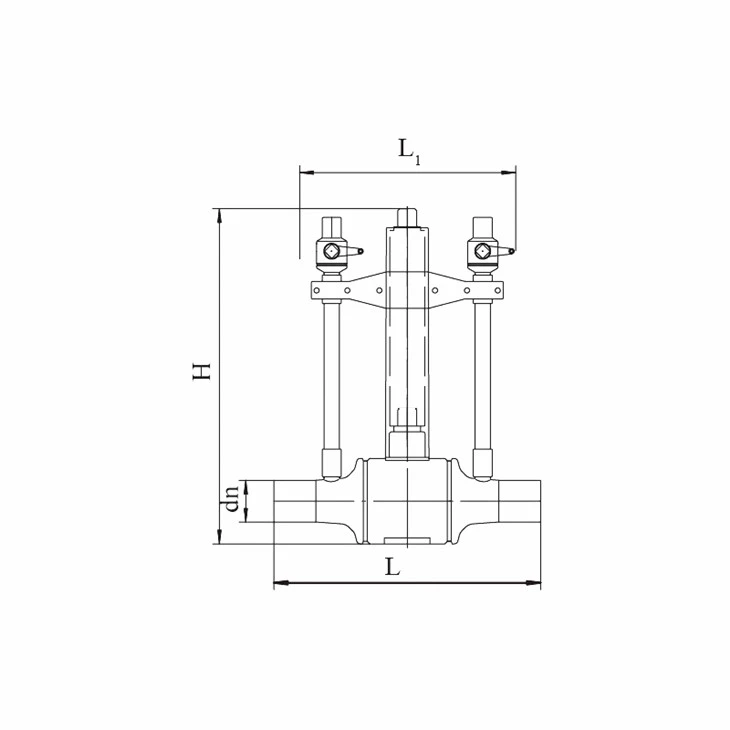
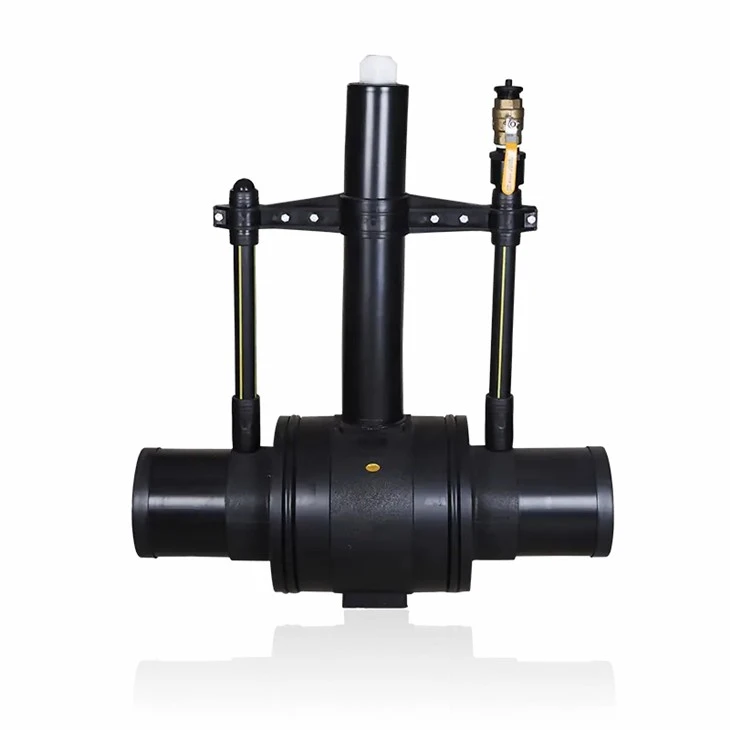
Before delving into leakage prevention, it's essential to understand the structure and working principle of a PE Single Purge Ball Valve. A PE Single Purge Ball Valve is a type of quarter - turn valve that uses a hollow, perforated, and pivoting ball to control flow through it. The single purge feature allows for the removal of trapped media or the introduction of a purging fluid to maintain the integrity of the valve and the system.
Common Causes of Leakage
- Seal Damage: The seals in a PE Single Purge Ball Valve, such as the stem seal and the seat seal, are prone to wear and tear over time. Exposure to harsh chemicals, high temperatures, or abrasive particles can cause the seals to degrade, leading to leakage.
- Improper Installation: If the valve is not installed correctly, it can result in misalignment, uneven stress distribution, and loose connections. For example, if the valve is not tightened properly during installation, the seals may not form a proper seal, causing leakage.
- Ball and Seat Misalignment: The ball and the seat of the valve need to be perfectly aligned for a proper seal. Any misalignment, either due to manufacturing defects or external forces, can prevent the ball from fully seating against the seat, leading to leakage.
- System Overpressure: Exceeding the rated pressure of the valve can cause damage to the valve components, including the seals. Overpressure can also cause the ball to deform or move out of position, resulting in leakage.
Preventive Measures
Seal Maintenance and Replacement
Regular inspection of the seals is crucial for preventing leakage. Check for signs of wear, cracking, or deformation. Lubricate the seals as recommended by the manufacturer using a compatible lubricant. This helps to reduce friction and wear on the seals. When the seals show significant signs of damage, replace them immediately with genuine parts from a reliable supplier.
Proper Installation
Ensure that the valve is installed by a qualified technician who follows the manufacturer's installation instructions. Use the correct tools and torque values when tightening the connections. Proper alignment of the valve within the pipeline is essential to prevent stress on the seals and ensure a proper seal between the ball and the seat.
System Pressure Management
Monitor the system pressure regularly to ensure it does not exceed the rated pressure of the PE Single Purge Ball Valve. Install pressure relief devices, such as pressure relief valves, in the system to protect the valve from overpressure situations. These devices can automatically release excess pressure to prevent damage to the valve.
Purging and Flushing
Regular purging and flushing of the valve can help to remove any trapped media, debris, or contaminants that may cause damage to the seals or interfere with the proper functioning of the valve. Follow the manufacturer's recommendations on the frequency and procedure for purging and flushing the valve.
Temperature and Chemical Compatibility
Ensure that the PE Single Purge Ball Valve is compatible with the temperature and chemical properties of the fluid or gas it is handling. Exposure to incompatible chemicals or high temperatures can cause the valve material to degrade, leading to leakage. If necessary, select a valve with a different material or coating to withstand the specific operating conditions.
Comparison with Other PE Ball Valves
In addition to the PE Single Purge Ball Valve, there are other types of PE ball valves available in the market, such as PE Double Purge Ball Valve, PE Extended Stem Ball Valve, and PE Standard Ball Valve.
- PE Double Purge Ball Valve: This valve has two purge ports, which provide additional flexibility for purging and isolating the valve. It is suitable for applications where a higher level of control and safety is required.
- PE Extended Stem Ball Valve: The extended stem design allows the valve to be operated in applications where the valve is installed in a deep pit or underground. It provides easy access for valve operation and maintenance.
- PE Standard Ball Valve: This is the most basic type of PE ball valve, which is suitable for general - purpose applications. It does not have the purge feature but is cost - effective and reliable.
Conclusion
Preventing leakage in a PE Single Purge Ball Valve requires a combination of proper installation, regular maintenance, and system monitoring. By understanding the common causes of leakage and implementing the preventive measures outlined in this blog post, you can ensure the reliable and safe operation of your valve.
If you are in the market for high - quality PE Single Purge Ball Valves or need more information on leakage prevention, we are here to help. Our team of experts can provide you with the best solutions tailored to your specific needs. Feel free to contact us to start a procurement discussion and find the right valve for your application.
References
- Valve Handbook, 4th Edition, CRC Press
- ASME B16.34 - 2017, Valves - Flanged, Threaded, and Welding End