

How to install buried PE pipes in areas with frequent flooding?
Oct 08, 2026
Hey there! I'm a supplier of Buried PE Pipes, and I've seen firsthand how tricky it can be to install these pipes in flood - prone areas. But don't worry, I'm here to share some practical tips on how you can do this successfully.
Understanding the Challenges in Flood - Prone Areas
First off, we need to understand the problems we're up against in areas with frequent flooding. Floodwaters are not just water; they carry all sorts of debris like rocks, branches, and even trash. These can cause physical damage to the pipes, either through direct impact or by getting stuck around the pipes and causing blockages.
The water can also change the soil conditions. In a flood, the soil may become saturated, losing its stability. This can lead to soil erosion around the pipes. When the soil erodes, the pipes can shift, bend, or even break. And let's not forget about the water pressure itself. High - velocity floodwaters exert a lot of force on the pipes, which can be a real headache for the installation.
Pre - installation Planning
Before you even think about digging the trenches, you need to do some serious planning. Start by getting a detailed topographical map of the area. This map will show you the elevation changes, the natural flow of water, and any low - lying areas that are more likely to flood. You can use this information to decide the best route for your Buried PE Pipes.
It's also crucial to check the soil type. Different soils have different properties. For example, clay soil can expand when wet and shrink when dry, while sandy soil may not provide enough support for the pipes. You might want to conduct soil tests to determine its composition, density, and moisture - holding capacity. Based on the results, you can choose the right type of PE pipes and the appropriate installation method.
Another important step is to obtain all the necessary permits. Local authorities usually have strict regulations regarding pipe installation, especially in flood - prone areas. These regulations are in place to protect the environment and ensure public safety. Make sure you comply with all the rules and get the green light before you start the project.
Selecting the Right PE Pipes
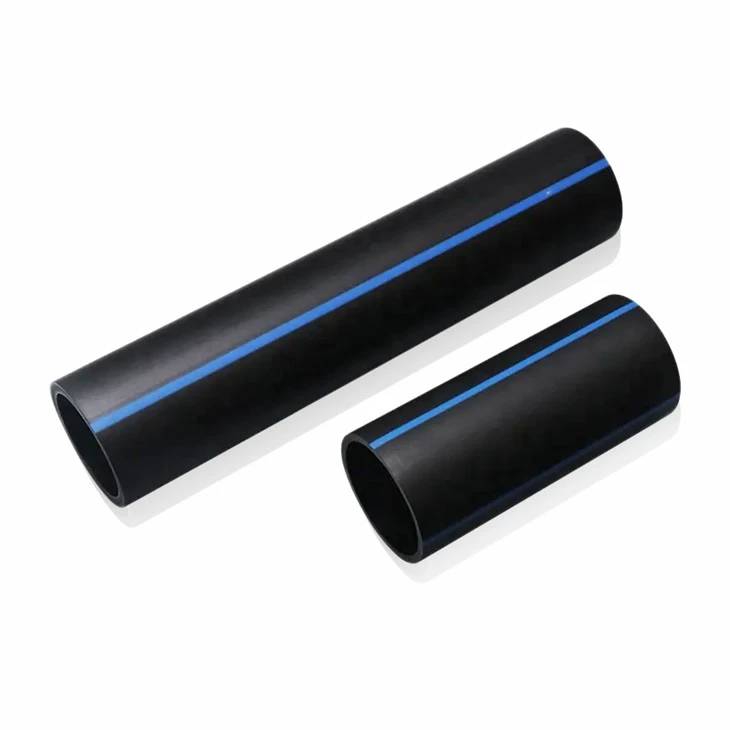
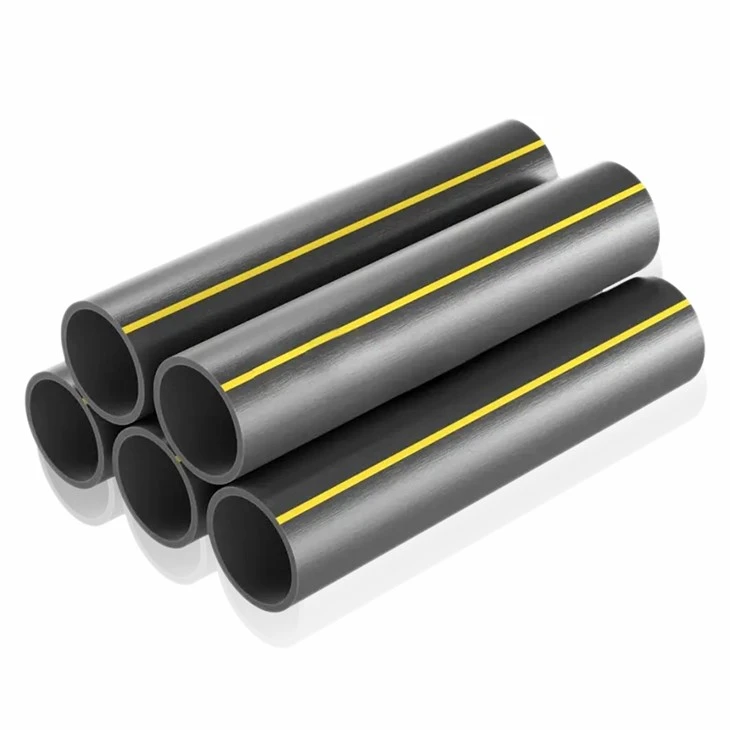
Not all PE pipes are created equal, especially when it comes to flood - prone areas. You need pipes that are strong, durable, and flexible. Look for pipes with a high - density polyethylene (HDPE) construction. HDPE pipes are known for their excellent resistance to impact, corrosion, and abrasion. They can withstand the rough treatment from flood debris and the harsh environmental conditions.
The wall thickness of the pipes is also a critical factor. Thicker - walled pipes are generally more robust and can handle higher external pressures. However, they may be more expensive and harder to install. You need to find a balance between strength and cost - effectiveness.
In addition to the physical properties of the pipes, consider the fitting system. A good fitting system ensures a tight and secure connection between the pipes. This is important because loose connections can lead to leaks, especially when the pipes are subjected to the forces of flooding. Look for fittings that are easy to install and are compatible with the PE pipes you've chosen.
Trench Design and Excavation
The trench for your Buried PE Pipes plays a vital role in protecting the pipes from flood damage. The depth of the trench is crucial. In flood - prone areas, it's recommended to dig the trench deeper than usual. A deeper trench provides more protection from surface - level floodwaters and reduces the risk of the pipes being exposed.
The width of the trench should be wide enough to allow for proper bedding and backfilling. You need to create a stable base for the pipes. A common practice is to use a layer of sand or gravel as bedding material. This bedding layer helps to distribute the load evenly and prevents the pipes from resting on sharp rocks or uneven ground.
During excavation, be careful not to damage the surrounding soil too much. Excessive soil disturbance can lead to instability and increase the risk of erosion. If possible, try to use machinery that causes minimal disruption, like small - scale excavators.
Pipe Installation
Once the trench is ready, it's time to install the pipes. Start by laying the pipes in the trench carefully. Make sure they are properly aligned and the joints are tightly connected. You can use heat fusion or mechanical fittings to connect the pipes. Heat fusion creates a strong, permanent bond between the pipes, while mechanical fittings are easier to install and can be disassembled if needed.
As you install the pipes, keep in mind the slope. The pipes should have a gentle slope to ensure proper drainage. This is especially important in flood - prone areas, as stagnant water in the pipes can cause problems like corrosion and blockages. Check the slope regularly during installation to make sure it meets the design requirements.
After the pipes are installed, you need to backfill the trench. Use clean, fine - grained soil or sand for backfilling. Avoid using soil that contains large rocks or debris, as these can damage the pipes. Compact the backfill in layers to provide adequate support for the pipes.
Protection Measures
Even after proper installation, your Buried PE Pipes need some extra protection in flood - prone areas. One option is to install a protective sleeve around the pipes. A sleeve can shield the pipes from physical damage caused by flood debris. You can use materials like plastic or fiberglass for the sleeve.
Another important protection measure is to install flood barriers. These barriers can divert floodwaters away from the pipe route. They can be made of concrete, steel, or other sturdy materials. However, make sure the barriers are properly designed and installed to avoid causing more problems.
Regular inspections are also essential. Check the pipes for any signs of damage, leaks, or shifting after each flood event. You can use techniques like pressure testing and CCTV inspection to detect any hidden issues.
Maintenance
Maintenance is key to ensuring the long - term performance of your Buried PE Pipes in flood - prone areas. Keep the area around the pipes clear of debris and vegetation. Overgrown plants can put pressure on the pipes and their roots can penetrate the pipes, causing leaks.
Monitor the soil conditions regularly. If you notice any signs of soil erosion or settlement, take immediate action. You may need to add more backfill or reinforce the trench to prevent further damage to the pipes.
In case of a flood, have an emergency response plan in place. This plan should outline the steps to take to protect the pipes, such as shutting off the water supply if necessary and conducting a thorough inspection after the floodwaters recede.
Cost - effectiveness
Installing and maintaining Buried PE Pipes in flood - prone areas can be expensive, but it doesn't have to break the bank. There are several ways to make the project more cost - effective. First, you can choose the right pipe materials and installation methods based on your budget. For example, while HDPE pipes are more expensive than some other types, their long - term durability can save you money on repairs and replacements.
Second, plan your project carefully to avoid any unnecessary delays or mistakes. A well - thought - out plan can help you save on labor costs and material waste. You can also look for suppliers who offer cost - effective solutions, like bulk discounts or package deals.
Conclusion
Installing Buried PE Pipes in areas with frequent flooding is definitely a challenge, but with the right planning, materials, and installation techniques, it can be done successfully. By understanding the challenges, selecting the right pipes, and implementing proper protection and maintenance measures, you can ensure the long - term performance of your pipes.
If you're in the market for high - quality PE Water Supply Pipe or Buried PE Pipes, I'm here to help. Whether you have questions about installation, need advice on pipe selection, or are ready to start a project, feel free to reach out. I'm committed to providing you with the best products and services to meet your needs. Let's work together to make your pipe installation project a success!
References
- ASPE (American Society of Plumbing Engineers). "Plumbing Engineering Design Handbook."
- ASTM (American Society for Testing and Materials) standards related to PE pipes.
- Local building codes and regulations for flood - prone areas.