

What is the role of the control unit in electrofusion fitting welding?
Jul 27, 2026
Hey there! As a supplier of electrofusion fittings, I often get asked about the role of the control unit in electrofusion fitting welding. It's a crucial part of the whole process, and I'm stoked to break it down for you.
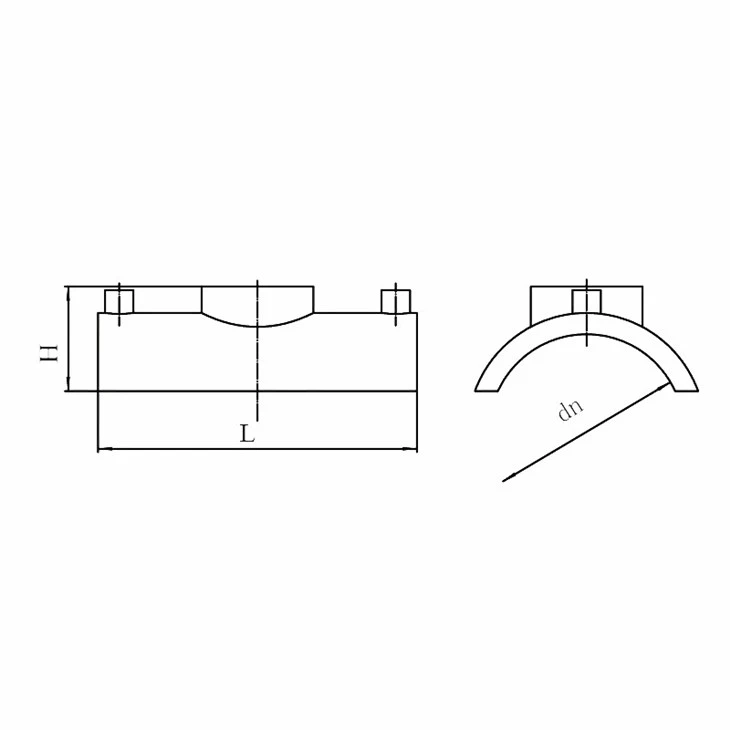
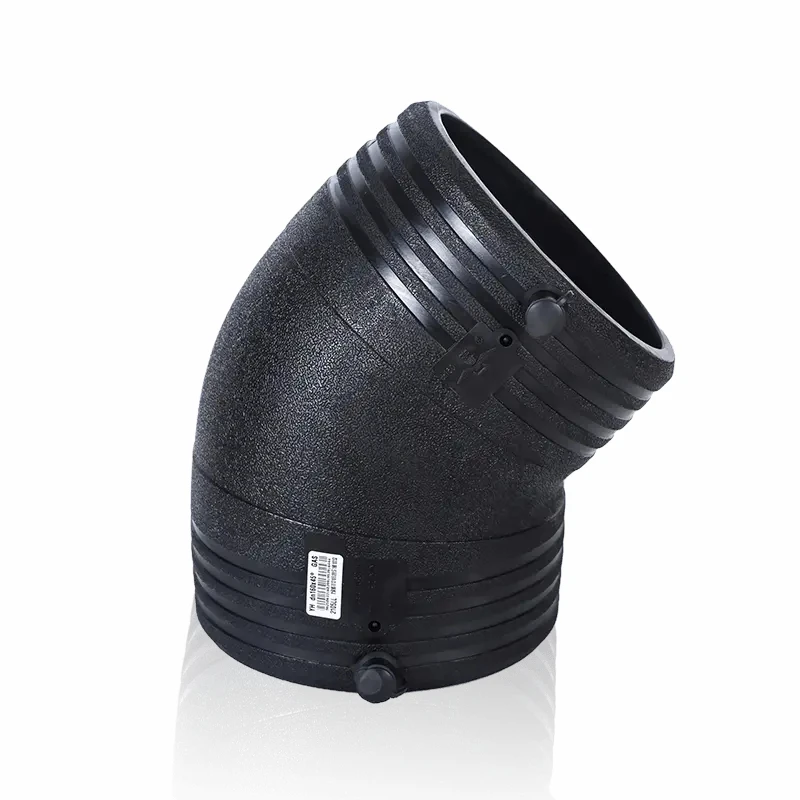
First off, let's talk about what electrofusion fittings are. We offer a wide range of these, like the Electrofusion Branch Saddle, Electrofusion Elbow 90, Straight Saddle, Electrofusion Elbow 45, and Electric Fusion Coupling. These fittings are used to connect pipes, usually made of plastic, in a variety of applications, from plumbing to industrial pipelines.
So, what's the deal with the control unit? Well, in electrofusion welding, the control unit is like the brain of the operation. It's responsible for delivering the right amount of electrical current to the heating elements inside the electrofusion fitting. These heating elements are typically made of resistance wire, and when an electrical current passes through them, they heat up. This heat melts the plastic of both the fitting and the pipes being connected, creating a strong, leak - proof joint.
One of the main functions of the control unit is to ensure the correct welding parameters are met. Different electrofusion fittings have different requirements for current, voltage, and welding time. For example, a larger - diameter fitting might need more current and a longer welding time compared to a smaller one. The control unit is pre - programmed with the specific welding parameters for each type of fitting. When you connect the control unit to the fitting using the appropriate cables, it recognizes the fitting and automatically sets the correct welding program.
This precision is super important. If the welding parameters are off, it can lead to all sorts of problems. If the current is too low or the welding time is too short, the plastic won't melt properly, and the joint might not be strong enough. This could result in leaks over time, which can be a real pain in the neck, especially in industrial or high - pressure applications. On the other hand, if the current is too high or the welding time is too long, it can cause the plastic to overheat and degrade. This can weaken the joint and also affect the integrity of the pipes and the fitting.
Another key role of the control unit is to monitor the welding process. It keeps an eye on the electrical resistance of the heating elements during the welding. As the plastic melts, the resistance changes, and the control unit can detect these changes. If there's an abnormal change in resistance, it could indicate a problem, like a faulty fitting or a poor connection between the fitting and the pipes. In such cases, the control unit can stop the welding process and alert the operator, preventing a bad weld from being completed.
The control unit also provides a record of the welding process. It can store data about the welding parameters, the time, and any alarms or errors that occurred during the process. This record is valuable for quality control purposes. It can be used to verify that the welding was done correctly, and it can also be used for auditing and compliance requirements in industries where strict standards need to be met.
Now, let's talk about the user - friendliness of the control unit. Most modern control units are designed to be easy to use. They usually have a digital display that shows the welding parameters and the status of the welding process. The operator can easily select the correct fitting type from a menu, and the control unit takes care of the rest. Some control units even have built - in diagnostic functions that can help the operator troubleshoot problems quickly.
In addition to the basic functions, some advanced control units offer additional features. For example, they might be able to communicate wirelessly with other devices, such as laptops or tablets. This allows for remote monitoring of the welding process, which can be really useful in large - scale projects or in situations where the operator can't be right next to the welding site all the time.
As a supplier of electrofusion fittings, we understand the importance of having a reliable control unit. That's why we work closely with manufacturers to ensure that the control units we recommend are of the highest quality. We also provide training and support to our customers to help them get the most out of their electrofusion welding systems.
If you're in the market for electrofusion fittings or need more information about the role of the control unit in electrofusion fitting welding, don't hesitate to reach out. We're here to help you find the right solutions for your projects. Whether you're a small - scale plumber or a large industrial company, we've got the expertise and the products to meet your needs.
In conclusion, the control unit plays a vital role in electrofusion fitting welding. It ensures the correct welding parameters are met, monitors the process, provides a record of the welding, and offers user - friendly features. If you want a strong, reliable, and leak - proof joint every time, you need a good control unit working in tandem with high - quality electrofusion fittings.
So, if you're interested in our products and want to discuss your specific requirements, feel free to initiate a conversation with us. We're ready to provide top - notch solutions that meet the highest industry standards.
References
- General knowledge of electrofusion welding technology
- Industry manuals and guidelines related to electrofusion fittings and control units