

What is the coefficient of thermal expansion of PE water supply pipes?
Jul 28, 2026
Hey there! I'm a supplier of PE Water Supply Pipe, and today, I want to chat about the coefficient of thermal expansion of these pipes. It's a topic that might not seem super exciting at first glance, but it's actually crucial for anyone working with or considering using PE water supply pipes.
Let's start with the basics. What on earth is the coefficient of thermal expansion? Simply put, it's a measure of how much a material expands or contracts when its temperature changes. Every material has its own unique coefficient, and for PE (polyethylene) water supply pipes, this value plays a big role in how well the pipes perform in various environments.
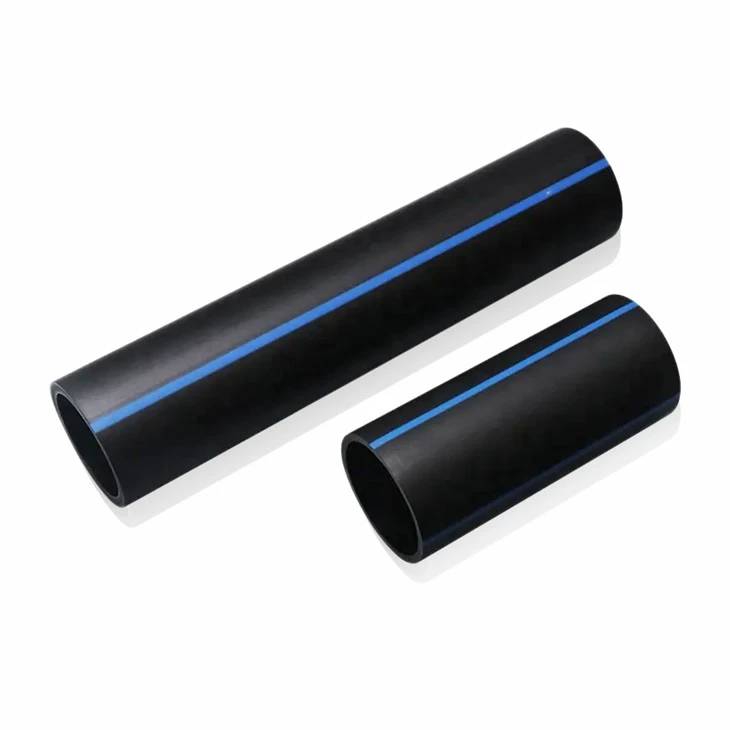
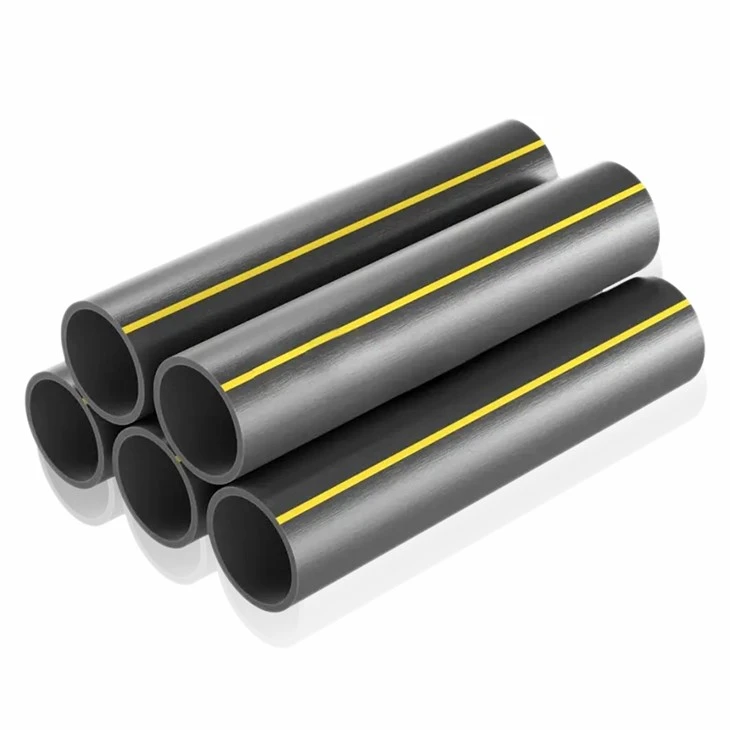
You see, as the temperature rises, materials tend to expand, and when it drops, they contract. If the pipes can't handle these dimensional changes properly, it can lead to a whole host of problems. For instance, in a hot climate, the pipes might expand so much that they buckle or burst. On the other hand, in cold temperatures, they could contract too much and develop cracks. So, understanding the coefficient of thermal expansion is key to ensuring the pipes' durability and functionality.
The coefficient of thermal expansion of PE pipes is generally in the range of about 1.5 x 10⁻⁴ to 2.0 x 10⁻⁴ m/(m·°C). That might seem like a small number, but it can have a significant impact over long lengths of pipe and large temperature variations. For example, if you have a 100-meter-long PE pipe and the temperature increases by 20°C, the pipe could expand by up to 0.3 to 0.4 meters! That's a pretty substantial change, and it needs to be accounted for during installation.
One of the great things about PE water supply pipes is that they have a relatively high coefficient of thermal expansion compared to some other materials like metal pipes. This might sound like a bad thing at first, but it actually has some advantages. PE is a flexible material, which means it can better accommodate the expansion and contraction without breaking. It doesn't crack as easily as more rigid materials, so it can withstand the stresses caused by temperature changes.
When it comes to installing Buried PE Pipes, the coefficient of thermal expansion is something that engineers and installers really need to pay attention to. They have to plan for the pipe's expansion and contraction by leaving enough space in the pipeline layout. This is often done through the use of expansion loops or flexible joints. These features allow the pipes to move freely as they expand and contract, reducing the risk of damage.
Another factor to consider is the type of PE used in the pipes. There are different grades of polyethylene, such as PE 80 and PE 100. These grades have slightly different properties, including their coefficients of thermal expansion. PE 100, for example, is a higher-density polyethylene that generally has a slightly lower coefficient of thermal expansion than PE 80. This means that PE 100 pipes might experience less expansion and contraction for the same temperature change, which can be beneficial in some applications.
Now, let's talk about how the coefficient of thermal expansion affects the performance of PE water supply pipes in different situations. In residential settings, where the pipes are usually buried underground, the temperature variations are somewhat moderated by the soil. The soil acts as an insulator, keeping the pipes at a more stable temperature. However, even with this insulation, there can still be significant temperature changes over the course of a year, especially in regions with extreme climates.
In commercial or industrial applications, the pipes might be exposed to more extreme temperature variations. For example, in a factory where the pipes are used to transport hot or cold water, the temperature of the water flowing through the pipes can cause significant expansion or contraction. In these cases, it's even more important to choose the right type of PE pipe and to design the pipeline system correctly to account for the thermal expansion.
So, as a PE water supply pipe supplier, I always make sure to educate my customers about the coefficient of thermal expansion. I want them to understand the importance of this factor and how it can impact the performance and lifespan of their pipes. By choosing the right type of pipe, planning the installation properly, and taking into account the local climate and operating conditions, they can ensure that their PE water supply systems work smoothly and efficiently.
If you're in the market for PE water supply pipes, don't just focus on the price or the brand. Make sure to consider the coefficient of thermal expansion and how it will affect your specific application. And if you have any questions or need more information, don't hesitate to reach out. I'm here to help you make the best decision for your project. Whether you're a contractor, a builder, or a homeowner, I can provide you with high-quality PE pipes and the expertise to ensure a successful installation.
So, if you're ready to start a project or just want to learn more about our PE Water Supply Pipe, feel free to get in touch. We can discuss your requirements, provide you with a quote, and answer any questions you might have. Let's work together to create a reliable and efficient water supply system that will last for years to come.
References
- "Plastic Pipes Handbook" - This comprehensive guide provides in - depth information on the properties of different plastic pipes, including PE.
- Industry research reports on PE pipe materials and their performance in various environments, which offer data on the coefficient of thermal expansion and its practical implications.