

Are there any safety precautions when using Electric Fusion Coupling?
Aug 13, 2026
Hey there! As a supplier of Electric Fusion Coupling, I often get asked about safety precautions when using these nifty little devices. So, I thought I'd put together this blog post to share some insights and tips to keep you safe while working with Electric Fusion Coupling.
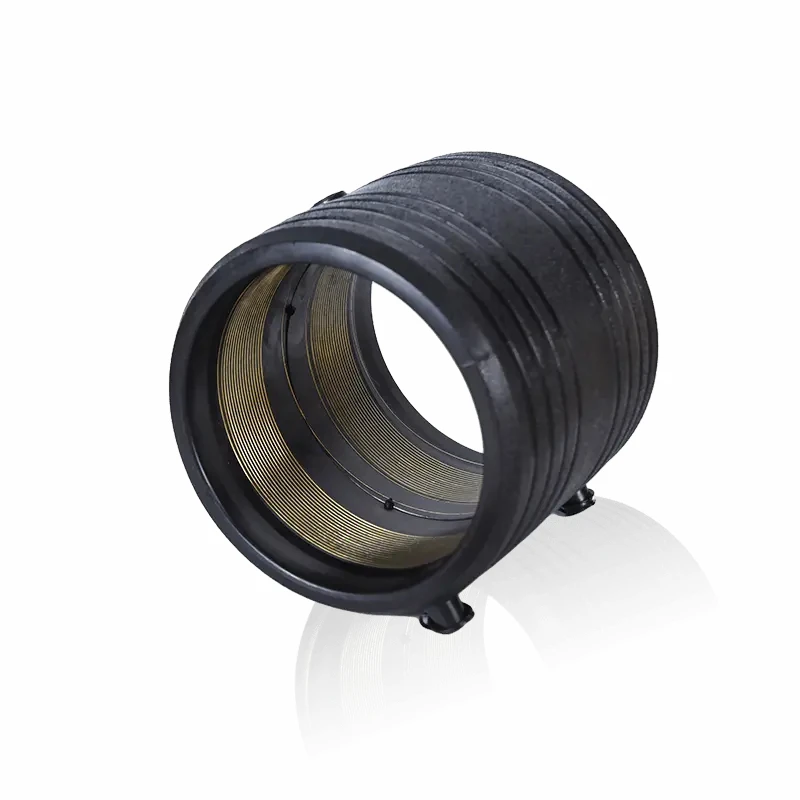
First off, let's talk about what Electric Fusion Coupling is. It's a type of fitting used to join two pipes together using an electric current. The coupling has built - in heating elements that, when powered, melt the plastic of the pipes and the coupling itself, creating a strong, leak - proof joint. It's widely used in various industries, like plumbing, gas distribution, and water supply.
Pre - installation Safety
Before you even start the installation process, there are a few things you need to keep in mind.
Inspect the Equipment
The first step is to thoroughly inspect the Electric Fusion Coupling and all the related equipment. Check for any visible damage, such as cracks, scratches, or broken heating elements on the coupling. Also, make sure the power supply and the fusion machine are in good working condition. A damaged coupling or faulty equipment can lead to a poor joint and even pose a safety risk. For example, a crack in the coupling might cause the melted plastic to leak out during the fusion process, which could be a fire hazard.
Read the Manual
This might seem like a no - brainer, but you'd be surprised how many people skip this step. The manufacturer's manual contains important information about the installation process, including the correct voltage, fusion time, and any specific safety instructions. Make sure you understand all the details before you start. If you're not sure about something, don't hesitate to contact the manufacturer or your supplier (like me!) for clarification.
Workplace Safety
Prepare your work area properly. Make sure it's clean, dry, and well - ventilated. Remove any flammable materials from the vicinity, as the fusion process generates heat. Also, ensure that there is a clear path to exit the area in case of an emergency.
Installation Safety
Now, let's get into the actual installation process.
Personal Protective Equipment (PPE)
Wear the appropriate PPE at all times. This includes safety glasses to protect your eyes from flying debris, heat - resistant gloves to protect your hands from the hot coupling and pipes, and a fire - retardant apron. PPE is your first line of defense against potential hazards during the installation.
Correct Pipe Preparation
Proper pipe preparation is crucial for a successful and safe fusion. The pipes need to be clean, free of dirt, grease, and moisture. Use a suitable cleaning agent and a pipe scraper to remove any oxidation or contaminants from the pipe surface. The pipes should also be cut straight and to the correct length. A poorly prepared pipe can result in a weak joint and increase the risk of leaks.
Fusion Process
When it comes to the fusion process, follow the recommended settings on the fusion machine carefully. Don't try to speed up the process by increasing the voltage or reducing the fusion time. This can lead to an incomplete fusion, which may cause the joint to fail over time.
During the fusion, keep a close eye on the coupling and the pipes. If you notice any signs of overheating, such as smoke or a burning smell, immediately turn off the power supply. Overheating can not only damage the coupling and pipes but also pose a fire risk.
Post - installation Safety
After the fusion is complete, there are still a few safety measures you need to take.
Cooling Time
Allow the joint to cool down completely before subjecting it to any pressure or movement. The cooling time is specified in the manufacturer's manual. Prematurely moving or pressurizing the joint can cause it to deform or crack, leading to leaks.
Inspection
Once the joint has cooled, inspect it carefully. Check for any signs of uneven melting, cracks, or leaks. If you find any issues, don't use the joint. Instead, cut out the faulty section and repeat the fusion process.
Specific Safety for Different Types of Fittings
We offer a variety of fittings related to Electric Fusion Coupling, and each type has its own safety considerations.
Electrofusion Transition Elbow
The Electrofusion Transition Elbow is used to connect pipes of different diameters or materials. When using this fitting, make sure to match the pipe sizes and materials correctly. Incorrect matching can lead to a weak joint and potential leaks. Also, pay extra attention to the orientation of the elbow during installation to ensure proper flow of the fluid or gas.
Straight Saddle
The Straight Saddle is used to make a branch connection on a main pipe. When installing a straight saddle, ensure that the pipe surface where the saddle is to be attached is smooth and free of any irregularities. A rough surface can prevent a proper fusion and result in a leaky joint.
Electrofusion Branch Saddle
The Electrofusion Branch Saddle is similar to the straight saddle but is designed for more complex branch connections. It's important to follow the installation instructions precisely, especially when it comes to the alignment of the branch pipe. Misalignment can cause stress on the joint and lead to failure.
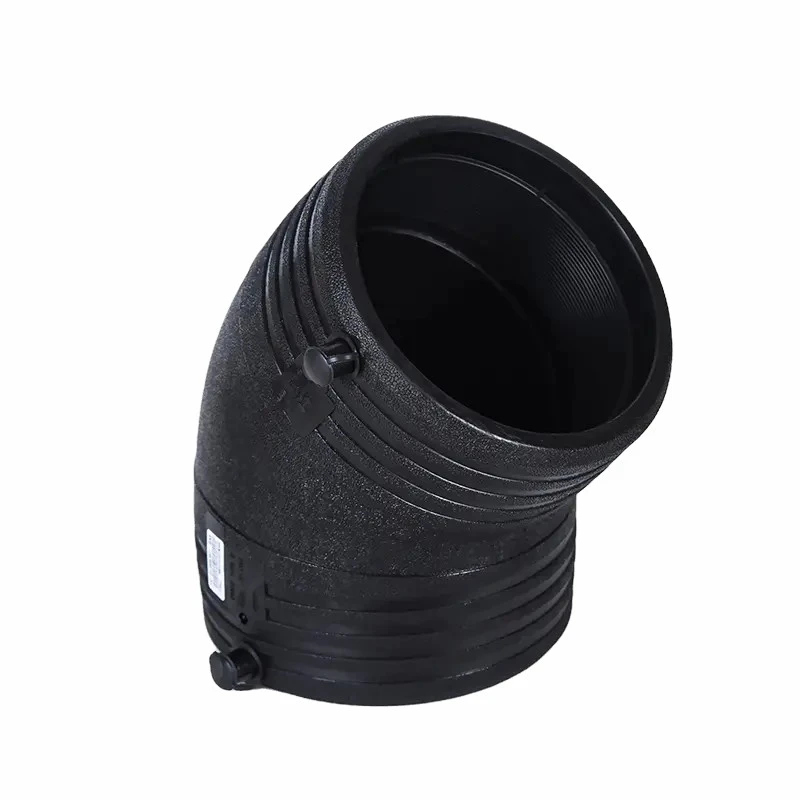
Electrofusion Elbow 45
The Electrofusion Elbow 45 is used to change the direction of the pipe at a 45 - degree angle. When installing this elbow, make sure it's properly aligned with the pipes. Any misalignment can cause turbulence in the fluid or gas flow, which may increase the pressure on the joint and lead to leaks.
Conclusion
Using Electric Fusion Coupling can be a safe and efficient way to join pipes, as long as you follow the proper safety precautions. From pre - installation inspection to post - installation cooling and inspection, every step is important to ensure a successful and safe fusion.
If you're in the market for high - quality Electric Fusion Coupling or any of our other electrofusion fittings, don't hesitate to reach out. We're here to provide you with the best products and support to meet your needs. Whether you're a professional installer or a DIY enthusiast, we've got you covered. Contact us to start a procurement discussion and let's work together to get the job done right!
References
- Manufacturer's manuals for Electric Fusion Coupling and related fittings.
- Industry standards for pipe installation and electrofusion techniques.