

Can buried PE pipes be used for industrial wastewater discharge?
Aug 19, 2026
Can buried PE pipes be used for industrial wastewater discharge?
As a supplier of Buried PE Pipes, I often encounter inquiries from customers regarding the suitability of our products for various applications, especially industrial wastewater discharge. In this blog post, I will delve into the technical aspects, advantages, and limitations of using buried PE pipes for industrial wastewater discharge, providing you with a comprehensive understanding to make an informed decision.
Technical Characteristics of Buried PE Pipes
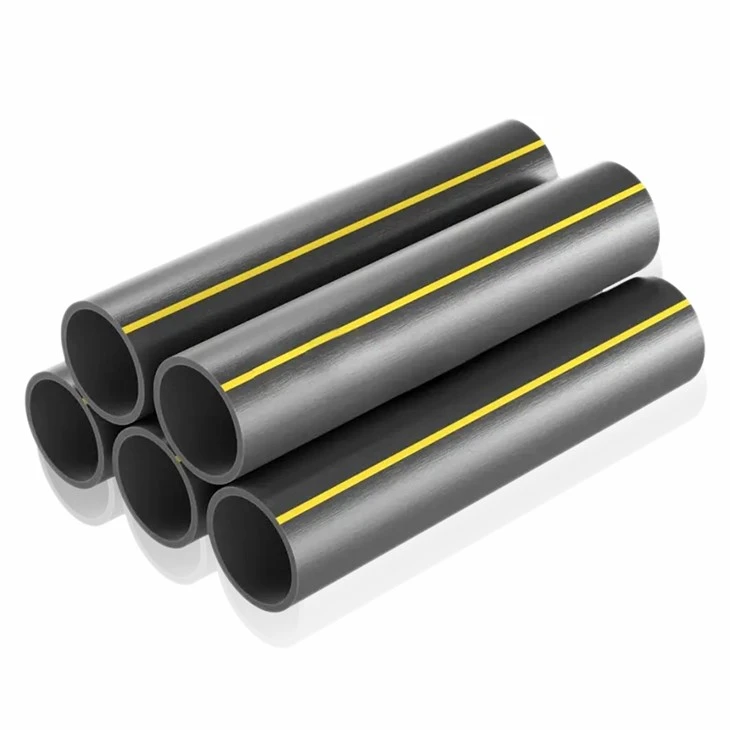
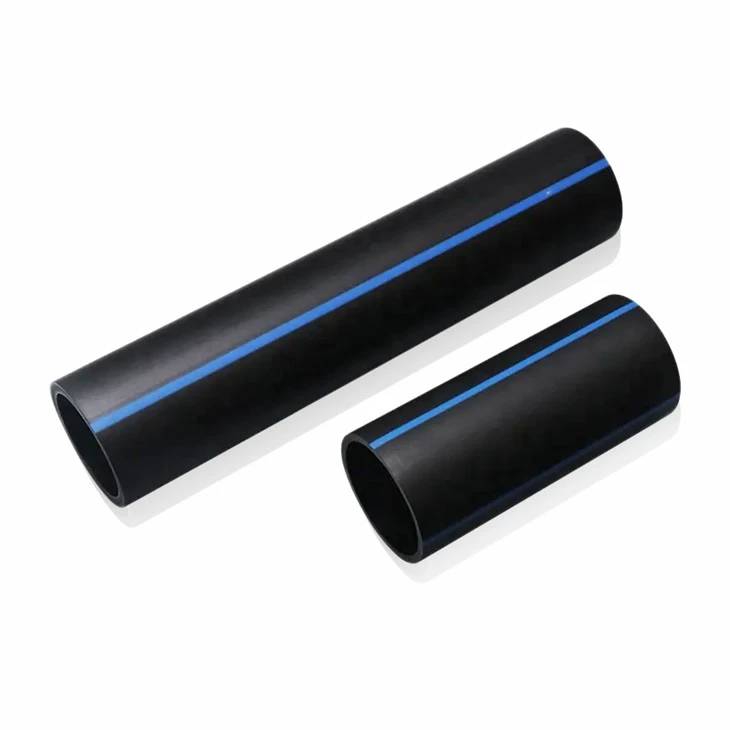
Polyethylene (PE) is a thermoplastic polymer known for its excellent chemical resistance, flexibility, and durability. Buried PE pipes are manufactured through a process that ensures high-quality and reliable performance. The molecular structure of PE gives it the ability to withstand a wide range of chemical substances, making it a potential candidate for industrial wastewater conveyance.
One of the key features of PE pipes is their smooth inner surface. This smoothness reduces friction, which in turn minimizes the pressure loss during fluid flow. For industrial wastewater discharge, this means that the pipes can efficiently transport wastewater over long distances without the need for excessive pumping power. Additionally, the smooth surface also prevents the accumulation of debris and sediment, reducing the risk of blockages and maintenance requirements.
PE pipes are also highly flexible. They can be bent to a certain degree without cracking or breaking, which is particularly beneficial for installation in areas with uneven terrain or where there are obstacles. This flexibility allows for easier installation and reduces the need for additional fittings, which can potentially leak and cause problems in the long run.
Advantages of Using Buried PE Pipes for Industrial Wastewater Discharge
Chemical Resistance
Industrial wastewater often contains a variety of chemicals, including acids, alkalis, and solvents. Buried PE pipes have excellent chemical resistance properties, which means they can withstand exposure to these chemicals without significant degradation. For example, PE pipes can resist the corrosive effects of sulfuric acid, hydrochloric acid, and sodium hydroxide, which are commonly found in industrial wastewater. This chemical resistance ensures the long-term integrity of the pipes and reduces the risk of leaks and failures.
Durability
PE pipes have a long service life, typically ranging from 50 to 100 years. This durability is due to their resistance to environmental factors such as UV radiation, soil stress, and temperature variations. When buried underground, PE pipes are protected from direct sunlight and mechanical damage, further enhancing their lifespan. For industrial wastewater discharge systems, this long service life means lower replacement costs and less disruption to operations over time.
Cost-Effectiveness
Compared to other types of pipes, such as steel or concrete pipes, PE pipes are generally more cost-effective. The raw materials for PE pipes are relatively inexpensive, and the manufacturing process is efficient, resulting in lower production costs. Additionally, the installation of PE pipes is often quicker and easier, reducing labor costs. The long service life of PE pipes also means lower maintenance and replacement costs in the long run, making them a cost-effective solution for industrial wastewater discharge.
Environmental Friendliness
PE is a recyclable material, which means that at the end of their service life, PE pipes can be recycled and reused to manufacture new products. This reduces the environmental impact of the pipes and contributes to a more sustainable waste management system. Additionally, the smooth inner surface of PE pipes reduces the energy consumption required for wastewater transport, further reducing the environmental footprint of the system.
Limitations of Using Buried PE Pipes for Industrial Wastewater Discharge
Temperature Limitations
PE pipes have temperature limitations, and they may not be suitable for transporting industrial wastewater at high temperatures. Most PE pipes can withstand temperatures up to 60°C (140°F), but if the wastewater temperature exceeds this limit, the pipes may deform or lose their structural integrity. In cases where high-temperature wastewater needs to be discharged, special high-temperature-resistant PE pipes or other materials may need to be considered.
Compatibility with Certain Chemicals
While PE pipes have excellent chemical resistance, there are some chemicals that can cause problems. For example, some organic solvents and certain types of oxidizing agents can swell or dissolve PE pipes. Before using PE pipes for industrial wastewater discharge, it is important to conduct a chemical compatibility test to ensure that the pipes are suitable for the specific wastewater composition.
Installation Requirements
Proper installation is crucial for the performance of buried PE pipes. The pipes need to be installed in a stable and well-compacted soil to prevent settlement and damage. Additionally, the joints between the pipes need to be properly sealed to prevent leaks. If the installation is not done correctly, it can lead to problems such as pipe failure, leaks, and reduced performance.
Considerations for Using Buried PE Pipes in Industrial Wastewater Discharge
Before deciding to use buried PE pipes for industrial wastewater discharge, several factors need to be considered.
Wastewater Composition
The composition of the industrial wastewater is the most important factor to consider. As mentioned earlier, different chemicals can have different effects on PE pipes. It is essential to analyze the wastewater to determine its chemical composition and pH level. Based on this analysis, the appropriate type of PE pipe can be selected to ensure compatibility and long-term performance.
Flow Rate and Pressure
The flow rate and pressure of the wastewater also need to be considered. PE pipes are available in different sizes and pressure ratings, and the appropriate pipe size and pressure rating need to be selected based on the expected flow rate and pressure of the wastewater. If the flow rate is too high or the pressure is too low, it can lead to problems such as pipe damage and inefficient wastewater transport.
Environmental Conditions
The environmental conditions at the installation site, such as soil type, temperature, and groundwater level, also need to be considered. For example, if the soil is highly acidic or alkaline, it may affect the performance of the PE pipes. In such cases, additional protective measures may need to be taken, such as using a coating or installing the pipes in a protective sleeve.
Conclusion
In conclusion, buried PE pipes can be a suitable option for industrial wastewater discharge in many cases. Their excellent chemical resistance, durability, cost-effectiveness, and environmental friendliness make them an attractive choice. However, it is important to consider the limitations and factors mentioned above to ensure that the pipes are used appropriately and perform well over the long term.
If you are considering using Buried PE Pipes for your industrial wastewater discharge project, I encourage you to contact us for more information. We are a leading supplier of Buried PE Pipes and PE Water Supply Pipe, and we have the expertise and experience to help you select the right pipes for your specific needs. Our team of professionals can provide you with technical support, installation guidance, and after-sales service to ensure the success of your project. Contact us today to start the conversation and explore how our Buried PE Pipes can meet your industrial wastewater discharge requirements.
References
- ASTM International. (2017). Standard Specification for Polyethylene (PE) Plastic Pipe (DR-PR) Based on Controlled Outside Diameter. ASTM D3035-17.
- ISO 4427:2012. Plastics pipes and fittings for water supply - Polyethylene (PE) - Specifications.
- Water Research Center. (2015). Guidance on the Use of Plastic Pipes in Water and Wastewater Systems.