

How does the butt - fusion joint of a Reducing Tee compare to other types of joints?
Aug 20, 2026
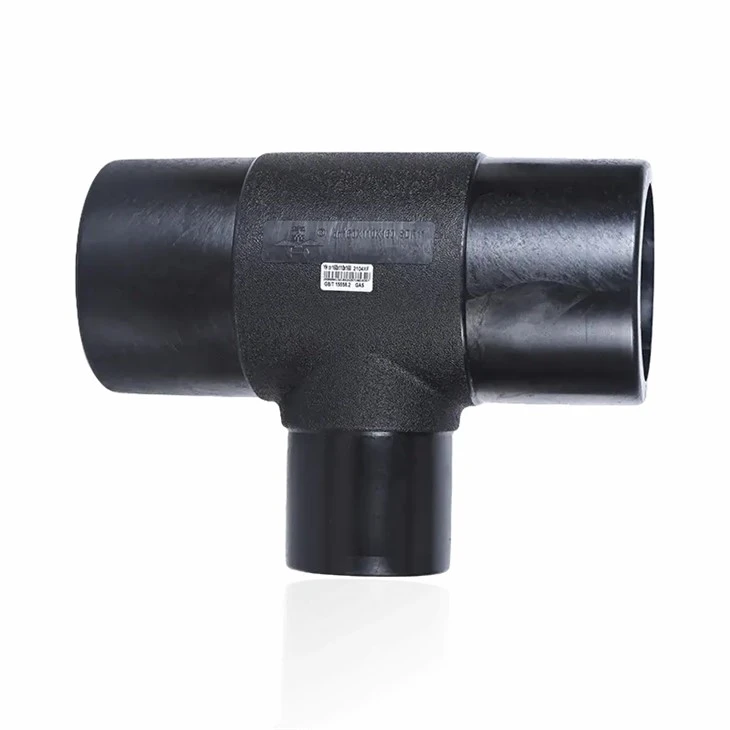
When it comes to piping systems, the choice of joints plays a crucial role in ensuring the efficiency, durability, and safety of the entire setup. As a supplier of Butt Fusion Reducing Tees, I've witnessed firsthand the significance of selecting the right joint for specific applications. In this blog, we'll delve into how the butt - fusion joint of a Reducing Tee compares to other types of joints, exploring their characteristics, advantages, and limitations.
Understanding Butt - Fusion Joints of Reducing Tees
Butt - fusion is a welding process used to join thermoplastic pipes and fittings. In the case of a Reducing Tee, this method involves heating the ends of the pipes and the fitting to a molten state and then pressing them together. The result is a homogenous joint that is as strong as, if not stronger than, the parent material.
One of the key advantages of the butt - fusion joint for a Reducing Tee is its integrity. Since the joint is formed by melting and fusing the materials, there are no additional components like gaskets or fasteners that can fail over time. This makes it highly resistant to leaks, which is especially important in applications where fluid or gas containment is critical, such as in water supply systems or chemical processing plants.
Another benefit is its smooth interior surface. Unlike some other joint types that may have protrusions or irregularities inside the pipe, a butt - fusion joint of a Reducing Tee maintains a consistent flow path. This reduces friction and pressure drop, leading to more efficient fluid flow and potentially lower energy costs.
Comparison with Other Joint Types
Threaded Joints
Threaded joints are one of the most common types of joints in piping systems. They are easy to install and disassemble, making them suitable for applications where frequent maintenance or modification is required. However, compared to the butt - fusion joint of a Reducing Tee, threaded joints have several drawbacks.
Firstly, threaded joints rely on the tightness of the threads and the use of sealing compounds to prevent leaks. Over time, vibration, temperature changes, and pressure fluctuations can cause the threads to loosen, leading to potential leakage. In contrast, the butt - fusion joint is a permanent and seamless connection that is less prone to such issues.
Secondly, the interior of a threaded joint may have rough edges or ridges due to the threading process. This can disrupt the flow of fluids and increase the risk of sediment buildup, which can eventually lead to blockages. The smooth interior of a butt - fusion Reducing Tee joint helps to avoid these problems.
Socket Weld Joints
Socket weld joints are often used in high - pressure applications. They involve inserting the pipe into a socket in the fitting and then welding around the perimeter. While socket weld joints can provide a strong connection, they also have some limitations when compared to butt - fusion joints of Reducing Tees.
One of the main issues with socket weld joints is the potential for weld defects. If the welding is not done properly, it can lead to porosity, cracks, or incomplete fusion, which can compromise the integrity of the joint. In contrast, the butt - fusion process is more forgiving and less likely to result in such defects, as long as the proper procedures are followed.
Another drawback is the difficulty of inspecting socket weld joints. Since the weld is on the outside of the joint, it can be challenging to detect internal defects without using specialized equipment. The butt - fusion joint, on the other hand, can be visually inspected more easily, and non - destructive testing methods can also be used to ensure its quality.
Flanged Joints
Flanged joints are commonly used in large - diameter piping systems and applications where easy disassembly is required. They consist of two flanges that are bolted together with a gasket in between to provide a seal. While flanged joints have their advantages, they also have some limitations when compared to the butt - fusion joint of a Reducing Tee.
One of the main issues with flanged joints is the potential for gasket failure. Gaskets can degrade over time due to exposure to chemicals, temperature changes, or mechanical stress, leading to leaks. The butt - fusion joint, being a seamless connection, does not rely on gaskets and is therefore less likely to experience such failures.
Secondly, flanged joints require a significant amount of space for installation and maintenance. Bolts need to be tightened and loosened, and the flanges themselves take up more room compared to a butt - fusion joint. In applications where space is limited, the butt - fusion Reducing Tee can be a more practical choice.
Applications and Suitability
The butt - fusion joint of a Reducing Tee is well - suited for a wide range of applications. In water distribution systems, it is used to connect pipes of different diameters while maintaining a leak - free and efficient flow. The smooth interior surface helps to prevent the growth of biofilms and the accumulation of sediment, which can improve water quality.
In the chemical industry, the resistance of the butt - fusion joint to corrosion and chemical attack makes it an ideal choice for transporting various chemicals. The seamless connection reduces the risk of leaks, which is crucial for the safety of workers and the environment.
It is also commonly used in gas distribution systems. The high strength and integrity of the butt - fusion joint ensure the reliable transmission of gas under pressure, minimizing the risk of gas leaks.
Related Products
As a supplier of Butt Fusion Reducing Tees, we also offer a range of related products. For example, our HDPE Injection Molded End Cap is used to seal the end of a pipe, providing a tight and durable closure. Our HDPE Injection Molded Flange Adaptor allows for the connection of pipes to flanged equipment, offering flexibility in piping system design.
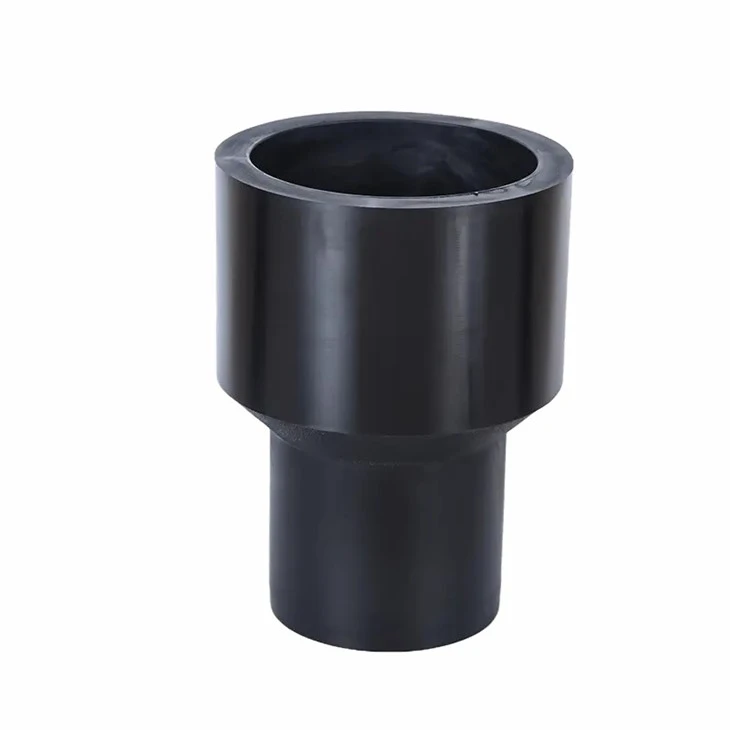
We also provide Butt Fusion 90 Elbow for changing the direction of the pipe, Butt Fusion Equal Tee for branching pipes of the same diameter, and HDPE Injection Molded Reducer for reducing the pipe diameter gradually.
Conclusion
In conclusion, the butt - fusion joint of a Reducing Tee offers several advantages over other types of joints. Its integrity, smooth interior surface, and resistance to leaks make it a reliable choice for a variety of applications. While other joint types may have their own benefits, such as ease of installation or disassembly, the butt - fusion joint stands out for its long - term performance and durability.
If you're in the market for high - quality Butt Fusion Reducing Tees or any of our related products, we invite you to reach out to us for a detailed discussion about your specific requirements. Our team of experts is ready to assist you in selecting the right products for your piping system.
References
- "Plastic Pipes Handbook" by Michael W. J. Pritchard
- "Piping and Pipeline Engineering: Design, Construction, Maintenance, Integrity, and Safety" by George A. Antaki