

What is the corrosion resistance of welded pipe fittings?
Sep 01, 2026
What is the corrosion resistance of welded pipe fittings?
As a seasoned supplier of welded pipe fittings, I've witnessed firsthand the critical role that corrosion resistance plays in the performance and longevity of these essential components. In this blog, I'll delve into the concept of corrosion resistance in welded pipe fittings, explaining what it is, why it's important, and how we ensure our products meet the highest standards.
Understanding Corrosion and Its Impact
Corrosion is a natural process that involves the deterioration of metals due to chemical reactions with their environment. When it comes to welded pipe fittings, this can lead to a range of problems, from reduced flow capacity to structural failure. There are several types of corrosion that can affect pipe fittings, including uniform corrosion, pitting corrosion, crevice corrosion, and galvanic corrosion.
Uniform corrosion is the most common type, where the surface of the metal is gradually eaten away at a relatively even rate. Pitting corrosion, on the other hand, causes small holes to form on the metal surface, which can quickly lead to leaks. Crevice corrosion occurs in areas where there are narrow gaps or crevices, such as between flanges or at weld joints. Galvanic corrosion happens when two different metals are in contact in the presence of an electrolyte, causing one metal to corrode at an accelerated rate.
The impact of corrosion on welded pipe fittings can be severe. It can compromise the integrity of the pipes, leading to leaks, spills, and even environmental damage. In industrial settings, corrosion can result in costly downtime, equipment failures, and safety hazards. Therefore, ensuring the corrosion resistance of welded pipe fittings is crucial for maintaining the reliability and safety of piping systems.
Factors Affecting the Corrosion Resistance of Welded Pipe Fittings
Several factors can influence the corrosion resistance of welded pipe fittings. The choice of material is perhaps the most important factor. Different metals have varying levels of resistance to corrosion. For example, stainless steel is known for its excellent corrosion resistance due to the presence of chromium, which forms a passive oxide layer on the surface of the metal, protecting it from further oxidation. Other materials, such as carbon steel, are more susceptible to corrosion and may require additional protection, such as coatings or linings.
The welding process also plays a significant role in determining the corrosion resistance of pipe fittings. Improper welding can introduce defects, such as porosity, slag inclusions, or incomplete fusion, which can create sites for corrosion to initiate. Therefore, it's essential to use proper welding techniques and qualified welders to ensure high-quality welds.
The environment in which the pipe fittings are used is another crucial factor. Different environments present different corrosion challenges. For example, pipe fittings used in marine environments are exposed to saltwater, which is highly corrosive. In such cases, materials with high resistance to saltwater corrosion, such as duplex stainless steel, may be required. Similarly, pipe fittings used in chemical processing plants may be exposed to aggressive chemicals, and the choice of material must be carefully considered to withstand these harsh conditions.
Our Approach to Ensuring Corrosion Resistance
At our company, we take several measures to ensure the corrosion resistance of our welded pipe fittings. First and foremost, we carefully select the materials for our products. We offer a wide range of options, including stainless steel, carbon steel, and various alloys, to meet the specific needs of our customers. Our materials are sourced from reputable suppliers and are subject to strict quality control measures to ensure their purity and consistency.
In addition to using high-quality materials, we pay close attention to the welding process. Our welders are highly trained and certified, and we use advanced welding techniques and equipment to ensure the integrity of our welds. We also perform extensive testing on our welded pipe fittings, including non-destructive testing (NDT) methods such as ultrasonic testing and radiography, to detect any potential defects and ensure that our products meet or exceed industry standards.
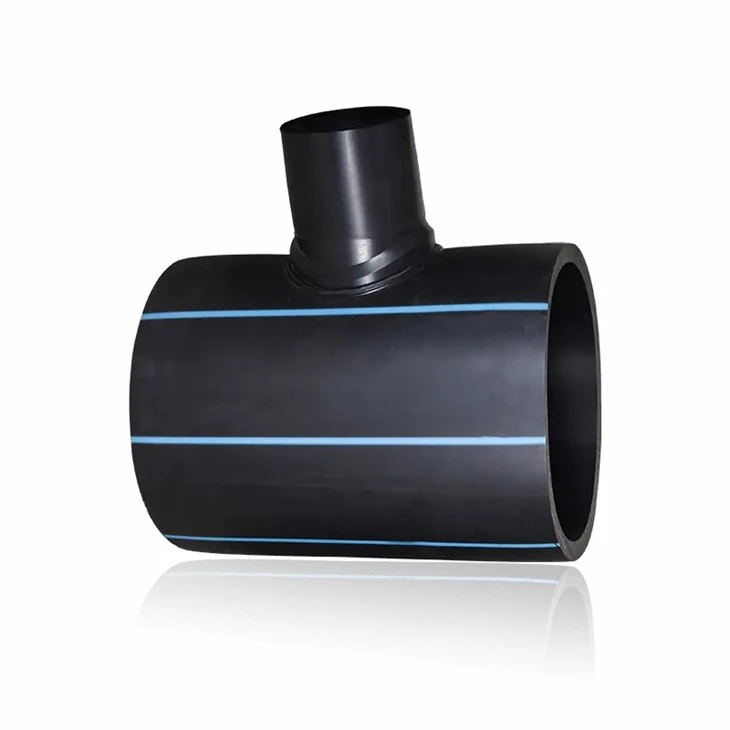
To further enhance the corrosion resistance of our pipe fittings, we offer a variety of coatings and linings. These include epoxy coatings, polyethylene (PE) coatings, and phenolic linings. These coatings and linings act as a barrier between the metal surface and the surrounding environment, preventing corrosion from occurring. For example, our Fabricated PE Reducer is coated with a high-quality PE layer, providing excellent resistance to corrosion and abrasion.
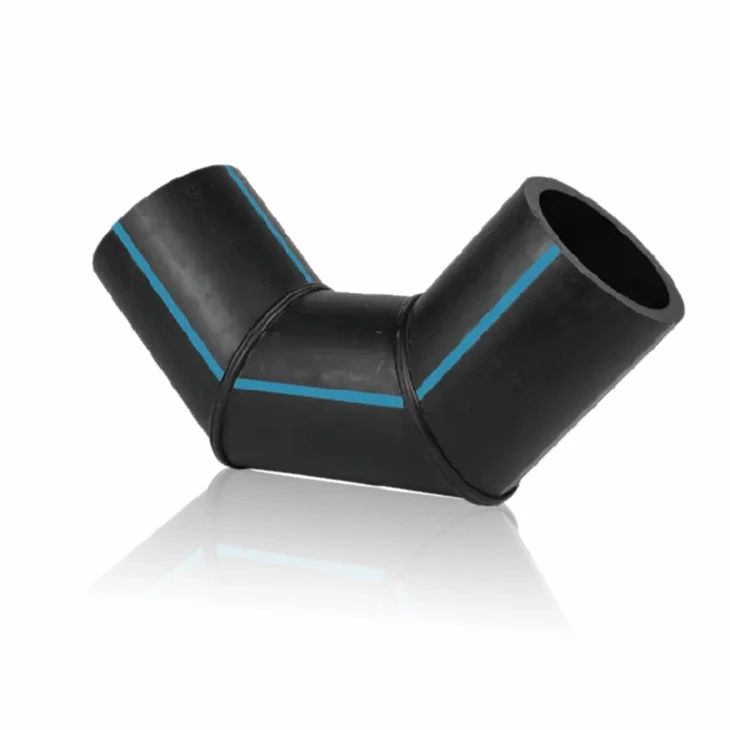
We also offer Fabricated PE 90 Elbow and Fabricated PE 45 Elbow, which are designed to withstand harsh environments and provide long-term performance. These elbows are made from high-quality materials and are coated with a PE layer for added protection against corrosion.
In addition to our standard products, we also offer custom solutions to meet the specific requirements of our customers. Our experienced engineering team can work with you to design and manufacture welded pipe fittings that are tailored to your application, ensuring optimal performance and corrosion resistance. For example, if you need a 4 Way Cross Tee for a specific project, we can customize it to meet your exact specifications.
We also offer Hdpe Fabricated Tee, which is made from high-density polyethylene (HDPE), a material known for its excellent corrosion resistance and durability. These tees are ideal for use in a variety of applications, including water treatment, chemical processing, and irrigation.
Importance of Corrosion Resistance in Different Industries
The importance of corrosion resistance in welded pipe fittings cannot be overstated, especially in industries where the reliability and safety of piping systems are critical. In the oil and gas industry, for example, pipe fittings are used to transport oil, gas, and other hydrocarbons over long distances. Corrosion can cause leaks and spills, which can have serious environmental and economic consequences. Therefore, high-quality, corrosion-resistant pipe fittings are essential to ensure the integrity of the pipelines.
In the water and wastewater treatment industry, pipe fittings are used to transport water and chemicals. The presence of corrosive substances in the water and chemicals can cause rapid corrosion of the pipe fittings, leading to leaks and contamination. By using corrosion-resistant pipe fittings, water and wastewater treatment plants can ensure the safe and efficient operation of their systems.
In the food and beverage industry, pipe fittings are used to transport food products and ingredients. Corrosion can contaminate the food products, leading to health risks and product recalls. Therefore, corrosion-resistant pipe fittings are essential to ensure the safety and quality of the food and beverage products.
Contact Us for Your Welded Pipe Fitting Needs
If you're in the market for high-quality, corrosion-resistant welded pipe fittings, look no further. Our company has the expertise and experience to provide you with the best products and solutions for your specific needs. Whether you need standard or custom-designed pipe fittings, we can help. Contact us today to discuss your requirements and let us help you find the perfect solution for your project.
References
- Fontana, M. G. (1986). Corrosion engineering. McGraw-Hill.
- Uhlig, H. H., & Revie, R. W. (2010). Corrosion and corrosion control: An introduction to corrosion science and engineering. Wiley.
- ASME B31.3 - Process Piping Code