

What is the temperature range for butt - fusing a Butt Fusion Equal Tee?
Aug 31, 2026
Hey there! As a supplier of Butt Fusion Equal Tees, I often get asked about the temperature range for butt - fusing these nifty fittings. So, I thought I'd write this blog to share what I know and help you out if you're in the process of working with them.
First off, let's talk a bit about what a Butt Fusion Equal Tee is. It's a type of pipe fitting that's used to connect three pipes of the same diameter at a 90 - degree angle. These tees are super handy in a whole bunch of applications, like water supply systems, gas pipelines, and even in some industrial setups. They're made from high - density polyethylene (HDPE) most of the time, which is a tough and durable material.
Now, onto the main topic: the temperature range for butt - fusing a Butt Fusion Equal Tee. The ideal temperature range for butt - fusing HDPE Butt Fusion Equal Tees typically falls between 200°C and 230°C (392°F and 446°F). This range is crucial because it allows the HDPE material to reach a molten state where it can properly bond with the pipes it's being connected to.
If the temperature is too low, say below 200°C, the HDPE won't melt enough. The result? A weak joint that might leak or fail under pressure. You know, it's like trying to glue two pieces of paper together with not enough glue. It just won't hold up. On the other hand, if the temperature goes above 230°C, the HDPE can start to degrade. It might get charred or develop bubbles, which also weakens the joint. It's kind of like overcooking your food; it just doesn't turn out right.
When you're butt - fusing a Butt Fusion Equal Tee, you need to make sure you have a reliable heating element. A good butt - fusion machine will have a temperature control feature that lets you set and maintain the right temperature. You also have to be patient. Once you've heated the tee and the pipes to the right temperature, you need to quickly and carefully join them together. Any delay can cause the material to cool down too much, and you won't get a proper bond.
Let's take a closer look at some factors that can affect the temperature range. The thickness of the HDPE material matters. Thicker walls might need a slightly higher temperature to melt through completely. Also, the ambient temperature can play a role. If it's really cold outside, you might need to adjust the temperature on your butt - fusion machine a bit higher to compensate.
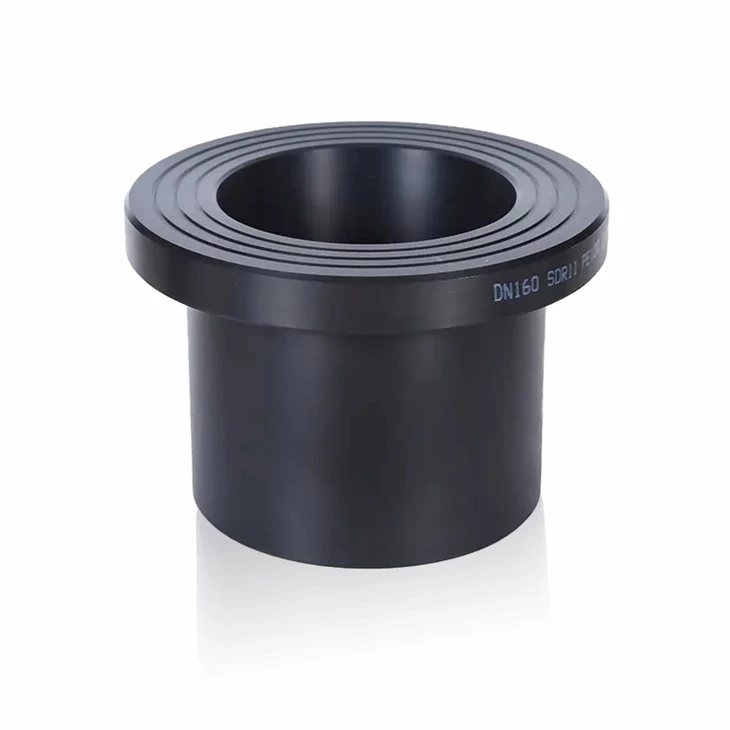
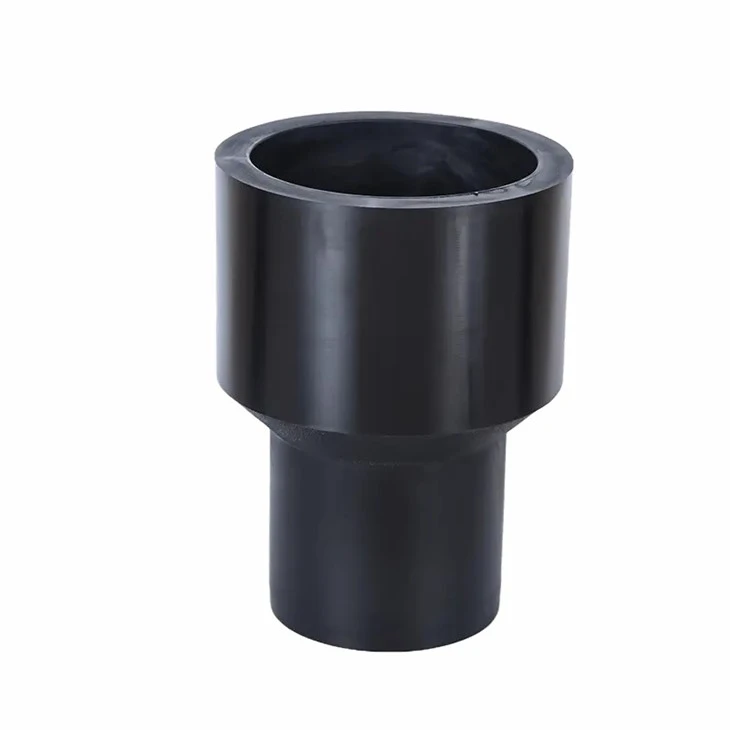
Now, I want to mention some of the other products we offer. If you're looking for a different type of tee, we have the Butt Fusion Reducing Tee. It's great for when you need to connect pipes of different diameters. And if you need to connect your pipes to flanges, our HDPE Injection Molded Flange Adaptor is a top - notch choice. We also have the HDPE Injection Molded Reducer for when you need to change the pipe diameter smoothly. And of course, if you're specifically interested in 90 - degree bends, our Butt Fusion 90 Elbow is the way to go.
When it comes to butt - fusing these fittings, the general temperature range I mentioned earlier applies to most of our HDPE products. But always double - check the manufacturer's guidelines for each specific fitting.
If you're in the market for high - quality Butt Fusion Equal Tees or any of our other products, don't hesitate to reach out. We're here to help you with your piping needs. Whether you're a contractor working on a big project or a DIY enthusiast, we've got the right fittings for you. Our team of experts can answer any questions you might have about installation, temperature ranges, or anything else related to our products.
In conclusion, the temperature range of 200°C to 230°C is key for butt - fusing a Butt Fusion Equal Tee. Make sure you have the right equipment, pay attention to the material thickness and ambient temperature, and follow the proper procedures. And if you need any of our Butt Fusion Equal Tees or other products, we're just a message away.
References:
- HDPE Pipe Fittings Handbook
- Industry standards for HDPE butt - fusion processes