

What is the difference between a ball valve and a gate valve?
Aug 21, 2026
When it comes to industrial valves, two types that often come up in discussions are ball valves and gate valves. As a ball valve supplier, I've had the opportunity to work with a wide range of clients, and I've noticed that there's often confusion about the differences between these two valve types. In this blog post, I'll break down the key differences between ball valves and gate valves to help you make an informed decision for your specific needs.
1. Working Principle
- Ball Valve
A ball valve operates using a spherical disc, known as the ball, which has a hole (bore) through its center. When the valve is open, the bore aligns with the pipeline, allowing fluid to flow through. When the valve is closed, the ball is rotated 90 degrees so that the bore is perpendicular to the pipeline, blocking the flow. This quarter - turn operation makes ball valves quick to open and close. For example, in applications where rapid shut - off is required, such as in emergency situations or in systems where flow needs to be adjusted frequently, ball valves are an excellent choice. Our company offers a variety of ball valves, including PE Double Purge Ball Valve, PE Single Purge Ball Valve, PE Extended Stem Ball Valve, and PE Standard Ball Valve. - Gate Valve
A gate valve functions by raising or lowering a gate (a flat or wedge - shaped disc) in the valve body. When the gate is fully raised, it is completely out of the flow path, and fluid can pass through the valve with minimal obstruction. When the gate is lowered, it seals against the valve seats, blocking the flow. The operation of a gate valve typically requires multiple turns of the valve stem, which can take more time compared to a ball valve. Gate valves are generally used in applications where the valve is either fully open or fully closed, and not used for throttling.
2. Flow Characteristics
- Ball Valve
Ball valves provide a full - bore flow when fully open. This means that the internal diameter of the valve is the same as the internal diameter of the pipeline, resulting in low pressure drop and high flow capacity. The smooth, unobstructed flow path through the ball valve makes it suitable for applications involving slurries, viscous fluids, and fluids with suspended solids. However, when the ball valve is partially open, the flow can become turbulent, which may cause noise and vibration. - Gate Valve
Gate valves also offer a full - bore flow when fully open, but they are not designed for throttling. When a gate valve is partially open, the gate can vibrate due to the high - velocity fluid passing through the narrow opening, which can lead to damage to the valve and the pipeline over time. Therefore, gate valves are best used in applications where a straight - through, unobstructed flow is required, such as in water supply systems, oil and gas pipelines, and sewage systems.
3. Sealing Performance
- Ball Valve
Ball valves provide excellent sealing performance. The ball is designed to fit tightly against the valve seats, preventing leakage even at high pressures. The sealing surfaces of a ball valve are typically made of materials such as PTFE (polytetrafluoroethylene) or other elastomers, which provide a reliable seal. However, the sealing performance of a ball valve can be affected by the presence of particles in the fluid, which can cause wear on the ball and the seats. - Gate Valve
Gate valves also offer good sealing performance when fully closed. The gate is designed to seal against the valve seats, preventing leakage. However, the sealing performance of a gate valve can be compromised if the gate is not properly aligned or if the seats are damaged. In addition, gate valves may experience some leakage over time due to wear and tear.
4. Installation and Maintenance
- Ball Valve
Ball valves are relatively easy to install and maintain. They have a simple design with fewer moving parts compared to gate valves. The quarter - turn operation of a ball valve makes it easy to operate, and the valve can be installed in any position. However, if the ball valve is used in a dirty or corrosive environment, the ball and the seats may need to be replaced periodically to maintain the sealing performance. - Gate Valve
Gate valves are more complex to install compared to ball valves. They require proper alignment of the gate and the seats to ensure a good seal. In addition, the multi - turn operation of a gate valve can be more time - consuming. Maintenance of gate valves can also be more challenging, as the gate and the seats may need to be cleaned and lubricated regularly to prevent corrosion and wear.
5. Cost
- Ball Valve
Ball valves are generally more expensive than gate valves, especially for larger sizes. The cost of a ball valve is influenced by factors such as the material of construction, the design, and the pressure rating. However, the quick operation and excellent sealing performance of ball valves can justify the higher cost in applications where these features are critical. - Gate Valve
Gate valves are typically less expensive than ball valves, especially for large - diameter applications. The simple design and lower manufacturing cost of gate valves make them a cost - effective choice for applications where a straight - through flow and reliable shut - off are required.
6. Application Areas
- Ball Valve
Ball valves are widely used in a variety of industries, including oil and gas, chemical processing, water treatment, and food and beverage. They are suitable for applications where rapid shut - off, throttling, and good sealing performance are required. For example, in the oil and gas industry, ball valves are used in wellhead control systems, pipeline isolation, and flow control. - Gate Valve
Gate valves are commonly used in applications where a full - bore flow and reliable shut - off are required, such as in water supply systems, sewage treatment plants, and power generation. They are also used in applications where the valve is not operated frequently, such as in pipeline isolation.
Conclusion
In summary, ball valves and gate valves have their own unique characteristics and advantages. Ball valves offer quick operation, excellent sealing performance, and are suitable for applications where rapid shut - off and throttling are required. Gate valves, on the other hand, provide a full - bore flow, are cost - effective for large - diameter applications, and are best used in applications where the valve is either fully open or fully closed.
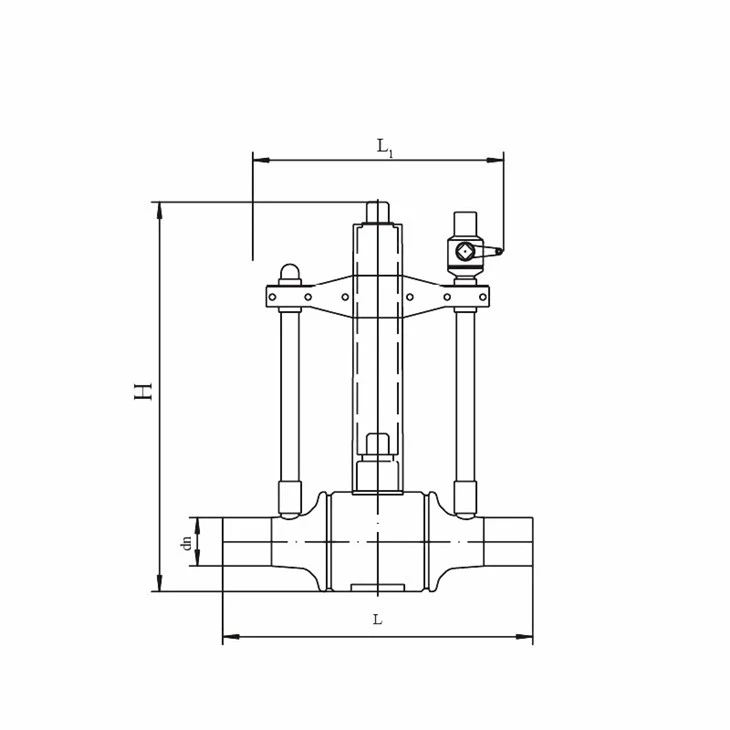
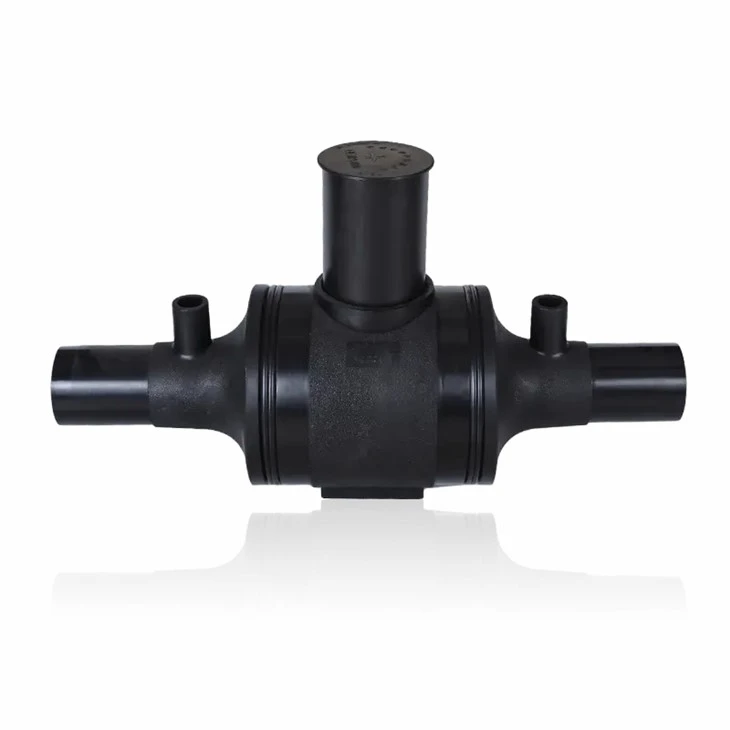
If you're in the market for a ball valve, I encourage you to consider our range of high - quality products. We offer a variety of ball valves to meet your specific needs, including PE Double Purge Ball Valve, PE Single Purge Ball Valve, PE Extended Stem Ball Valve, and PE Standard Ball Valve. Our team of experts is ready to assist you in selecting the right valve for your application. Contact us today to start a procurement discussion and find the best solution for your industrial valve needs.
References
- Parker Hannifin Corporation. "Valve Handbook."
- Crane Co. "Flow of Fluids Through Valves, Fittings and Pipe."