

Can I butt fuse a 45 Elbow myself or do I need a professional?
Aug 04, 2026
Can I butt fuse a 45 Elbow myself or do I need a professional?
When it comes to the installation of piping systems, particularly those involving thermoplastic pipes, the question of whether one can butt fuse a 45 Elbow on their own or if a professional is required is a common one. As a supplier of Butt Fusion 45 Elbow, I've encountered numerous customers with this dilemma. In this blog, I'll delve into the intricacies of butt fusion, the factors to consider, and whether a DIY approach is feasible.
Understanding Butt Fusion
Butt fusion is a welding process used to join two pieces of thermoplastic pipe or fittings together. It involves heating the ends of the pipes or fittings to their melting point and then pressing them together to form a permanent, leak - proof joint. The 45 Elbow is a critical component in many piping systems as it allows for a change in direction, enabling the system to navigate around obstacles or conform to specific layout requirements.
The butt fusion process typically consists of several key steps: surface preparation, heating, and joining. Firstly, the surfaces to be fused must be clean and free of any contaminants such as dirt, grease, or moisture. This is crucial as any impurities can weaken the joint. Next, the ends of the pipes or fittings are heated using a heating plate until they reach a specific temperature. Once the correct temperature is achieved, the heating plate is removed, and the two pieces are quickly pressed together with a specific amount of force. The joint is then allowed to cool and solidify under a controlled pressure.
DIY Butt Fusion: Pros and Cons
There are some advantages to attempting a DIY butt fusion of a 45 Elbow. For one, it can save money. Hiring a professional welder can be costly, especially for small projects. If you have some basic mechanical skills and are willing to invest time in learning the process, you may be able to complete the job yourself. Additionally, doing it yourself gives you a sense of accomplishment and allows you to have more control over the project timeline.
However, there are also significant drawbacks. Butt fusion is a precise process that requires a good understanding of the material properties, the correct equipment, and strict adherence to the welding parameters. If the temperature is not set correctly, or if the pressure during joining is too high or too low, the joint may be weak or even fail completely. This can lead to leaks, which can cause damage to the surrounding area and may even result in costly repairs down the line. Moreover, improper butt fusion can void the warranty on the pipes and fittings.
Factors to Consider
Several factors should be taken into account when deciding whether to DIY or hire a professional.
Skill and Experience: Do you have any previous experience with butt fusion? If this is your first time, it may be challenging to achieve a high - quality joint. Even with careful study of welding manuals and online tutorials, practical experience is invaluable. For instance, understanding how the material behaves at different temperatures and pressures is something that often comes with hands - on work.
Equipment: Proper equipment is essential for successful butt fusion. You'll need a butt fusion machine that is compatible with the size and type of pipes and fittings you are using. Additionally, you'll need tools for surface preparation, such as a pipe cutter and a deburring tool. Buying or renting the equipment can be expensive, and if you only have one small project, it may not be cost - effective.
Project Complexity: The complexity of the piping system and the project overall play a role. If it's a simple, straight - forward installation with just a few 45 Elbows, it may be more feasible to do it yourself. However, if the system is large, involves multiple fittings and bends, or is in a difficult - to - access location, it's probably best to hire a professional.
Safety: Butt fusion involves working with high - temperature equipment. There is a risk of burns, electric shock, and other safety hazards. Professionals are trained to handle these risks properly and have the necessary safety gear.
When to Call a Professional
If you're unsure about any aspect of the butt fusion process, it's best to call a professional. For example, if you're dealing with a large - diameter pipe, or if you're using a material that you're not familiar with, such as high - density polyethylene (HDPE), a professional welder will have the expertise to ensure a proper joint. Also, if the installation is in a critical application where a leak could have serious consequences, like in a water supply or a chemical processing plant, a professional is essential.
Another situation where a professional is needed is when there are code and regulatory requirements. Many areas have specific codes governing the installation of piping systems. A professional welder will be familiar with these codes and can ensure that your installation is compliant.
Our Product Range
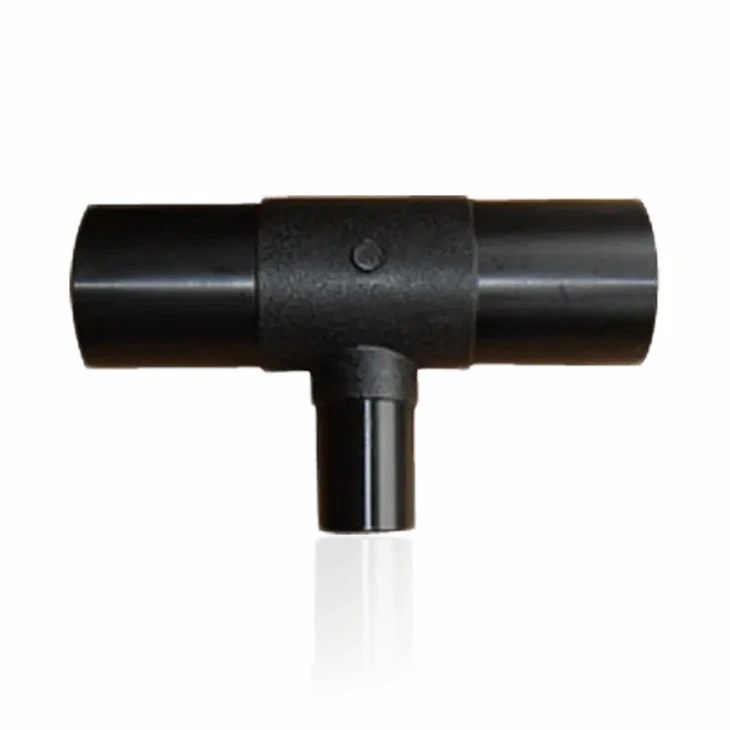
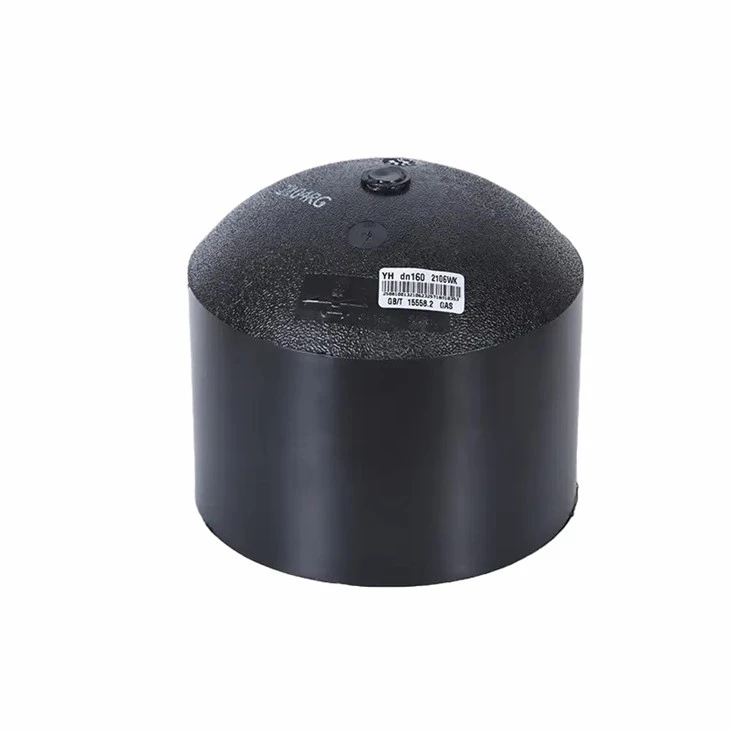
As a supplier, we offer a wide range of butt - fusion compatible products in addition to the Butt Fusion 45 Elbow. Our product catalog includes HDPE Injection Molded End Cap, which are used to seal the ends of pipes, Butt Fusion Reducing Tee for branching pipes with different diameters, Butt Fusion 90 Elbow for making right - angle turns in the piping system, and HDPE Injection Molded Flange Adaptor for connecting pipes to flanged components.
Conclusion: Is a Professional Necessary?
In conclusion, while it is possible to butt fuse a 45 Elbow yourself if you have the necessary skills, equipment, and experience, in many cases, it is advisable to hire a professional. A professional welder can ensure a high - quality, reliable joint that meets all safety and regulatory requirements.
If you're planning a piping project and need high - quality butt - fusion products, we invite you to contact us for a purchase consultation. We have a team of experts who can provide you with the right advice on product selection and installation. Whether you decide to do the installation yourself or hire a professional, we're here to support you every step of the way.
References
- "Thermoplastic Piping Handbook", a comprehensive guide on the installation and properties of thermoplastic pipes and fittings.
- Industry standards and codes related to butt fusion welding of thermoplastic pipes.