

What protection does a Butt Fusion 45 Elbow need when buried?
Sep 08, 2026
What protection does a Butt Fusion 45 Elbow need when buried?
As a supplier of Butt Fusion 45 Elbows, I've had numerous discussions with customers about the optimal protection for these essential components when they are buried underground. Butt Fusion 45 Elbows are widely used in various piping systems, including water supply, drainage, and gas distribution. Ensuring their long - term performance in a buried environment is crucial for the overall integrity of the pipeline network.
Protection against Mechanical Damage
When a Butt Fusion 45 Elbow is buried, it is exposed to potential mechanical damage from external sources. Construction activities near the burial site, such as excavation for other utility installations or building foundations, can pose a significant threat. Heavy machinery moving over the buried area can also exert excessive pressure on the elbow, leading to cracks or fractures.
To prevent mechanical damage, a protective layer can be installed around the elbow. One common approach is to use a bedding material, such as sand or crushed stone. These materials provide a cushioning effect, distributing the load evenly and reducing the risk of direct impact. The bedding should be at least 100 - 150 mm thick, depending on the size of the elbow and the expected external loads.
In addition to bedding, a protective sleeve can be used. High - density polyethylene (HDPE) sleeves are a popular choice as they are lightweight, durable, and resistant to corrosion. The sleeve fits snugly around the elbow, providing an extra layer of protection against abrasion and impact. It can also help prevent the elbow from coming into contact with sharp objects in the soil.
Protection against Chemical Corrosion
The soil environment can be highly corrosive, especially in areas with high moisture content, acidic or alkaline soils, or the presence of certain chemicals. Chemical corrosion can gradually weaken the Butt Fusion 45 Elbow, reducing its structural integrity and potentially causing leaks.
To protect against corrosion, the elbow can be coated with a corrosion - resistant material. Epoxy coatings are commonly used for this purpose. They form a protective barrier on the surface of the elbow, preventing direct contact between the metal and the corrosive substances in the soil. The coating should be applied evenly and have a sufficient thickness to ensure long - term protection.
Another option is to use a cathodic protection system. This involves connecting the elbow to a sacrificial anode or an impressed current source. The sacrificial anode, usually made of zinc or magnesium, corrodes preferentially, protecting the elbow from corrosion. An impressed current system uses an external power source to provide a continuous flow of electric current to the elbow, preventing the corrosion process.
Protection against Soil Movement and Settlement
Soil movement and settlement are natural phenomena that can occur over time. These movements can exert stress on the buried Butt Fusion 45 Elbow, causing it to deform or break. Factors such as changes in moisture content, soil compaction, and seismic activity can contribute to soil movement.
To accommodate soil movement, flexible joints can be installed near the elbow. These joints allow for some degree of movement and rotation, reducing the stress on the elbow. Expansion loops can also be used in the pipeline system. They act as a buffer, absorbing the stress caused by thermal expansion and contraction, as well as soil movement.
Proper installation techniques are also essential to minimize the impact of soil settlement. The elbow should be installed on a stable foundation, and the pipeline should be properly supported along its length. This helps to distribute the load evenly and prevent excessive stress on the elbow.
Protection against Biological Attack
In some soil environments, biological organisms such as bacteria and fungi can attack the Butt Fusion 45 Elbow. Microbial - induced corrosion (MIC) can occur when certain bacteria produce corrosive substances as a by - product of their metabolic activities.
To prevent biological attack, the elbow can be treated with biocides. These chemicals inhibit the growth of microorganisms on the surface of the elbow. Additionally, maintaining proper soil conditions, such as controlling the moisture content and pH level, can help reduce the risk of biological attack.
Comparison with Other Pipe Fittings
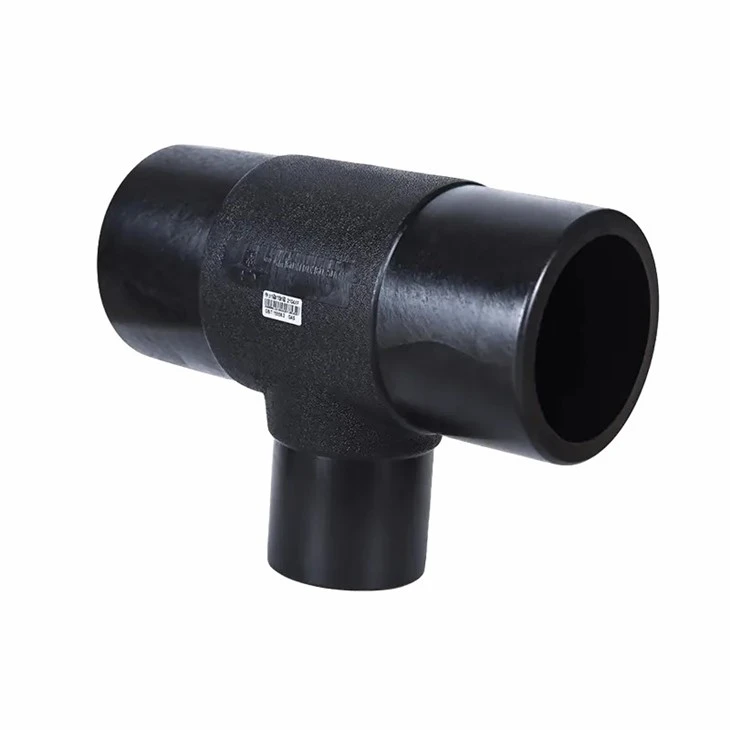
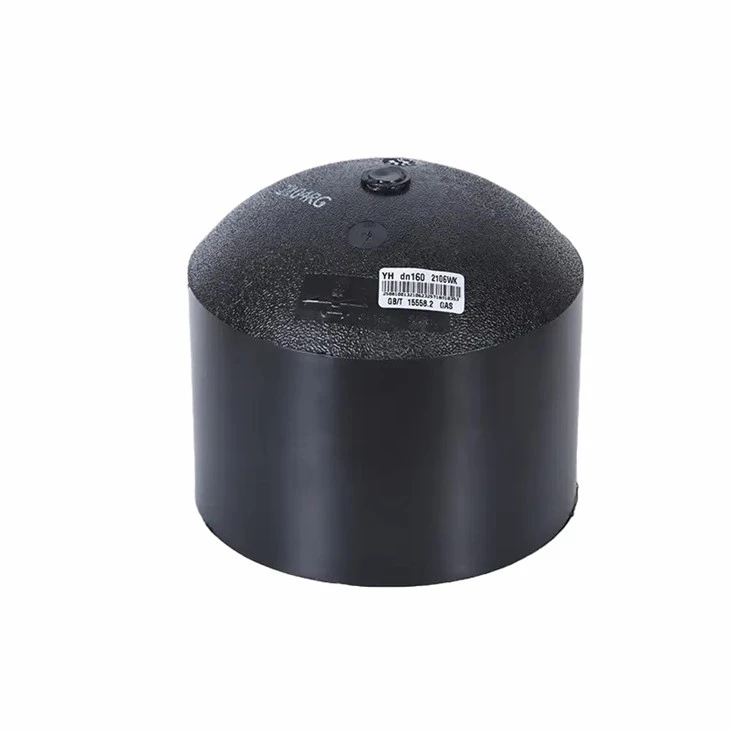
It's interesting to compare the protection requirements of Butt Fusion 45 Elbows with other pipe fittings, such as Butt Fusion 90 Elbows, HDPE Injection Molded Flange Adaptors, HDPE Injection Molded End Caps, and Butt Fusion Equal Tees. While the basic principles of protection against mechanical damage, corrosion, soil movement, and biological attack apply to all these fittings, the 45 - degree angle of the Butt Fusion 45 Elbow may introduce some unique considerations.
For example, the stress distribution in a Butt Fusion 45 Elbow is different from that in a 90 - degree elbow. The 45 - degree angle may result in a more evenly distributed stress under certain loading conditions, but it may also be more vulnerable to shear forces during soil movement. Therefore, the choice of protective measures should be carefully evaluated based on the specific application and the characteristics of the fitting.
Conclusion
In summary, protecting a buried Butt Fusion 45 Elbow requires a comprehensive approach that addresses mechanical damage, chemical corrosion, soil movement, and biological attack. By using appropriate bedding materials, protective sleeves, corrosion - resistant coatings, cathodic protection systems, flexible joints, and biocides, the long - term performance of the elbow can be ensured.
As a supplier, we are committed to providing high - quality Butt Fusion 45 Elbows and related technical support. If you are involved in a project that requires these fittings, or if you have any questions about their protection when buried, please do not hesitate to contact us for a detailed discussion. Our team of experts is ready to help you find the best solutions for your specific needs.
References
- American Water Works Association. (2016). AWWA Manual M23: Polyethylene Pressure Pipe Systems.
- Steel Structures Painting Council. (2019). SSPC - PA 2: Application of Shop, Field, and Maintenance Paint Coatings.
- National Association of Corrosion Engineers. (2020). NACE International Standard RP0169 - 20 Mitigation of External Corrosion on Underground or Submerged Metallic Piping Systems.